DIY Board Game Storage: How I Finally Tamed the Chaos (And Saved Our Sanity)
Let me tell you,our family game nights used to be a disaster. Not because we don’t love playing, but because finding the right game (or all its pieces) felt like solving a mystery. One time, we spent 20 minutes searching for Catan’s little wooden roads before my 8-year-old declared, “This is worse than hide-and-seek!” That was the moment I knew we needed a better system.
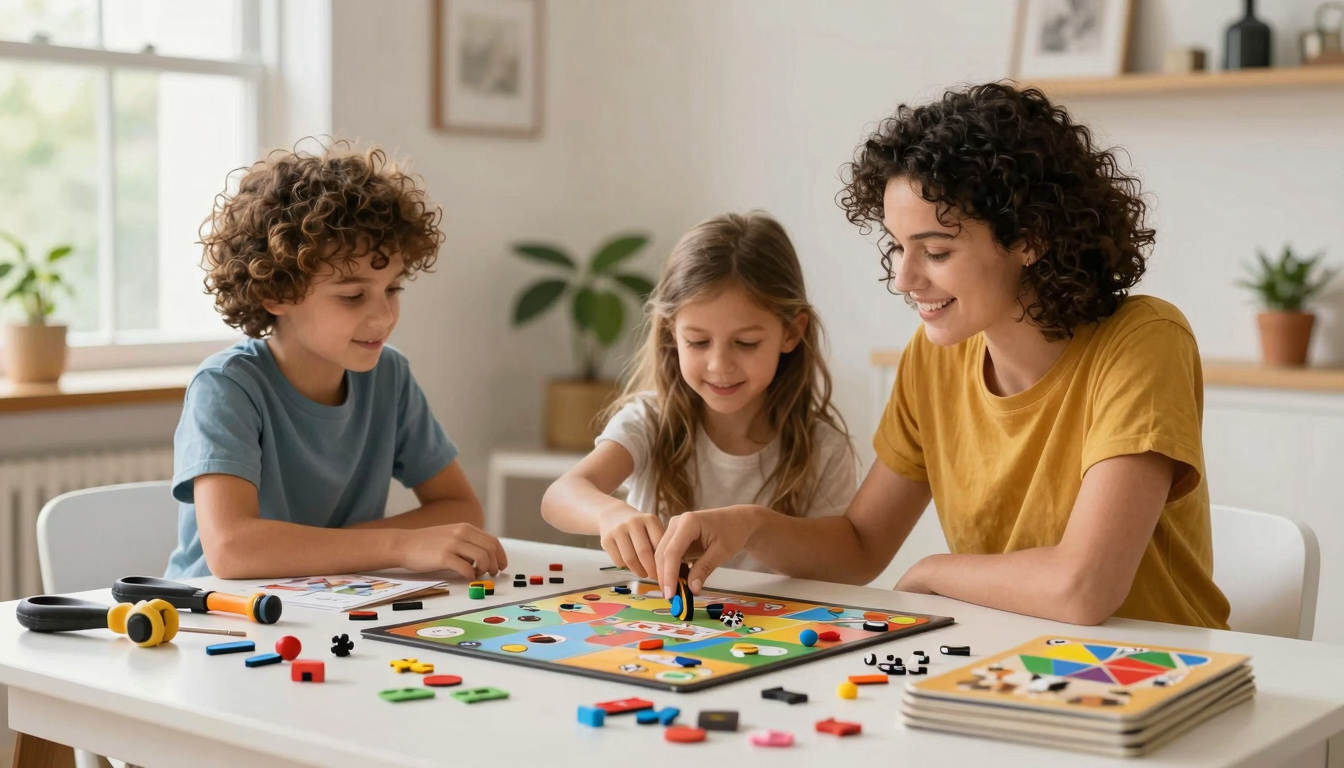
After years of trial and error (and a few failed Pinterest experiments), I’ve figured out how to organize our games so they’re actually usable. No more digging through piles, no more missing pieces, and,most importantly,no more meltdowns before the game even starts. If you’re drowning in board games too, these DIY solutions might just save your sanity (and your weekends).
I’ll walk you through the exact systems I’ve built, the mistakes I made along the way, and the tools that actually work. Oh, and I’ll also share the one project that accidentally became our family’s favorite piece of furniture,spoiler: it involves a coffee table and a lot of paint.
Why Good Board Game Storage Actually Matters (Beyond Just Looking Nice)
Here’s the truth: I used to think board game storage was just about keeping things tidy. But after years of wrestling with our collection, I realized it’s about time. Time we spend actually playing instead of searching. Time we don’t waste arguing over who “probably took the last meeple.” Time we get to enjoy being together instead of stressing over missing pieces.
Our games used to live in a sad pile in the closet. Pieces got lost, boxes got crushed, and we’d end up playing with whatever we could find,even if it meant improvising with paper clips as game tokens (yes, really). It wasn’t until I started treating our game collection like a library,with designated spaces, clear labeling, and a system for checking things in and out,that things changed.
Now, here’s what a good system actually gives us:
- Less frustration: No more digging through bins to find the one game everyone actually wants to play. (Trust me, Ticket to Ride is always the winner, but it used to take forever to find.)
- More playing, less searching: Our games are organized by type (strategy games on the top shelf, kids’ games on the bottom, party games in the ottoman). It cuts setup time in half.
- Kid-friendly chaos control: My kids can grab their favorites without asking for help, and everything has a “home” so it actually gets put away.
- Games that last: No more crushed boxes or lost pieces. (I still can’t believe how many times we lost the Monopoly “Chance” cards,turns out my husband was using them as bookmarks.)
If you’re ready to trade frustration for fun, stick around. I’ll show you exactly how I did it,including the projects that flopped (like my disastrous attempt at a DIY bookshelf that required drywall repair) and the ones that actually worked.
Tools and Materials You’ll Actually Need (No Fancy Stuff Required)
Before we dive into the projects, let’s talk tools. I’ll be honest,I started with a very basic toolkit. My first attempt at building shelves involved a lot of swearing, a misaligned drill bit, and a husband who kept saying, “Maybe we should just buy a shelf?” But here’s what I’ve learned: you don’t need a full workshop to make this work.
For most of these projects, you’ll need:
- Basic tools: A drill (I use my DeWalt 20V Max,it’s not fancy, but it gets the job done), a measuring tape, a pencil, and a screwdriver. If you’re feeling ambitious, a jigsaw comes in handy for custom cuts.
- Materials: Wood (I’ve used pine for shelves and reclaimed wood for upcycled projects), screws (2-inch wood screws work for most things), wood glue (Titebond III is my go-to), and paint or stain if you want to dress it up. For smaller projects, plastic bins or baskets work great too.
- Extras that help: Sandpaper (120-grit is perfect for smoothing edges), a level (so your shelves don’t look like they’re about to fall over), and labels. Yes, labels. I learned the hard way that “miscellaneous games” is not a functional category.
Pro tip: If you’re new to this, start with a simple project like a wall-mounted shelf before tackling anything complicated. My first attempt at a custom cabinet ended up looking like a kindergartener built it (and that’s being generous). But practice makes perfect!
Turning Dead Space into Game Storage (Without Losing Your Mind)
One of the biggest challenges in our house is space. We don’t have a dedicated game room,just a living room that doubles as a play area, homework station, and, occasionally, a fort for the dogs. So I had to get creative with where I put everything.
Here’s what worked for us:
- Under-bed storage: We use plastic bins with wheels to store games we don’t play as often (looking at you, Risk). It keeps them out of the way but still accessible. Bonus: the wheels make it easy to pull them out when we actually want to play.
- Wall-mounted shelves: I installed floating shelves above our couch to hold our most-played games. They’re within easy reach but free up floor space. (I used L-brackets and pre-stained pine wood,it took me a weekend, but it was worth it.)
- Closet makeover: Our hallway closet is now a game haven. I added stackable bins on one side and a pegboard on the back wall for hanging smaller games. It’s not pretty, but it works,and that’s what matters.
I also made a big mistake early on: I tried to fit everything into one “game cabinet.” Spoiler: It didn’t work. The cabinet was too deep, the shelves were too far apart, and half our games didn’t fit. Lesson learned: start small and expand as needed. Now, I add storage as we acquire new games (which, let’s be honest, happens more often than I’d like).
Custom Storage Solutions for Every Budget (Yes, Even Yours)
If you’ve ever stood in the aisle of a big-box store staring at overpriced game cabinets, you know the struggle. I’ve been there,wanting something functional but not wanting to drop $200 on a piece of furniture that might not even fit. That’s why I love DIY custom storage: you can tailor it to your space, your budget, and your actual needs (no more buying a cabinet that’s “close enough” and then regretting it).
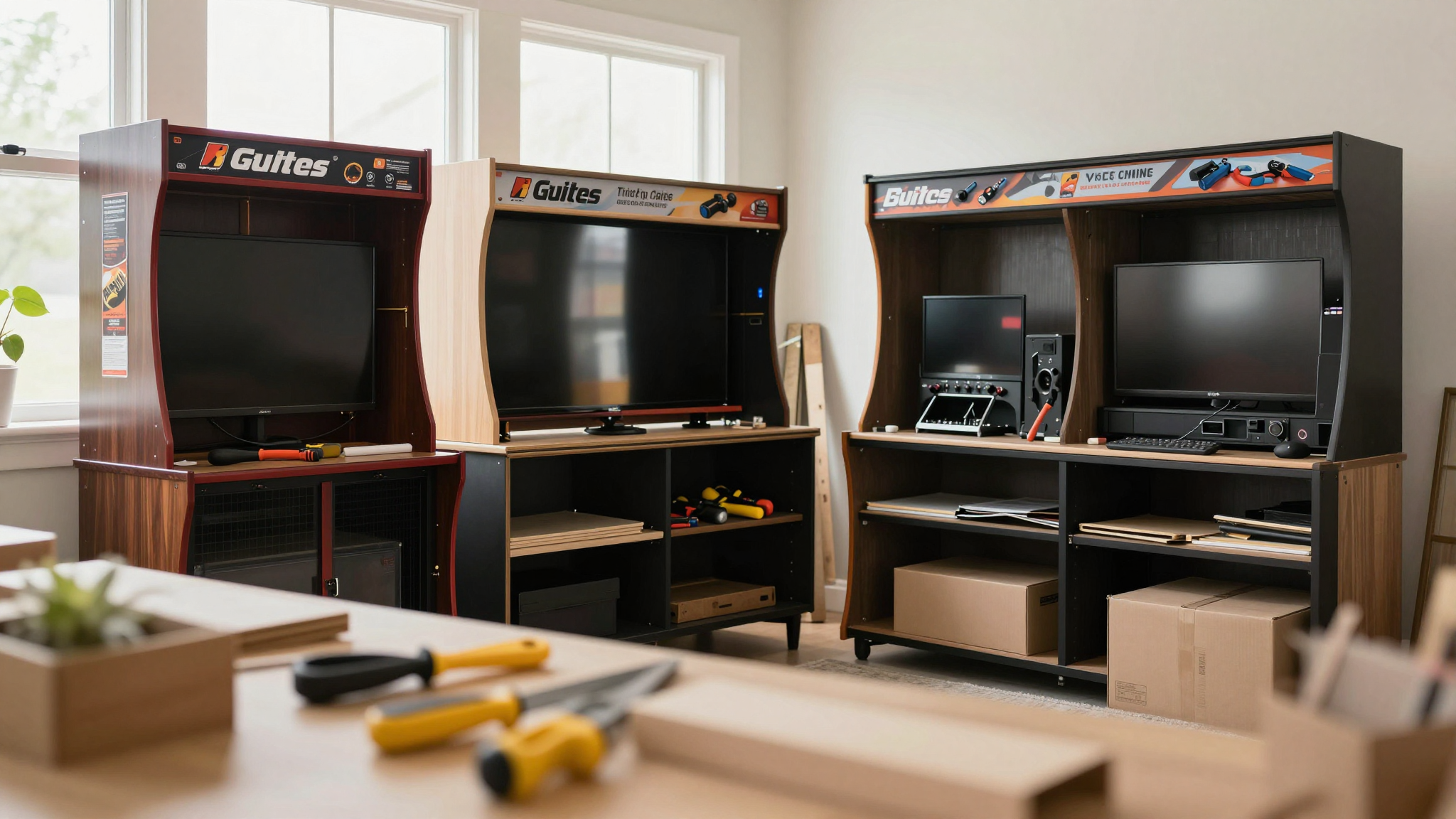
Here are a few ideas I’ve tried, ranked from easiest to most involved:
- Shelving units: The simplest solution is a basic shelving unit. I used IKEA Kallax shelves for years, but when we outgrew them, I built my own with pine wood and stain. It cost less than half as much and fits our space perfectly.
- Modular cabinets: If you have a bit more space (and patience), modular cabinets are a game-changer. I built ours with plywood and hairpin legs for a mid-century look. It’s not perfect, but it holds all our games and matches our living room decor.
- Built-in storage: This is the dream,custom built-ins that fit your space like a glove. I haven’t tackled this yet (mostly because I’m scared of drywall), but I’ve seen amazing examples of built-in game cabinets with lighting and everything. If you’re up for a big project, check out these stair makeover ideas for inspiration.
No matter what you choose, the key is to think about how you actually use your games. Do you play Catan every week? Put it on the bottom shelf where it’s easy to grab. Do your kids love Uno? Keep it in a bin at their height. And for the games you never play? Be ruthless. If it’s been sitting untouched for a year, it’s time to donate it or turn it into a gallery wall (yes, I’ve done that too).
Keeping Game Pieces Organized (So You’re Not Hunting for Tokens at 8 PM)
This is where most people give up. I get it,organizing tiny pieces feels impossible. But here’s the secret: you don’t need a fancy system, just a consistent one. Here’s what works for us:
- Small containers for small pieces: I use clear plastic containers with lids (the kind you get from IKEA or Target) to store dice, tokens, and cards. They stack neatly on shelves, and I can see what’s inside at a glance. No more digging through a bin of random pieces.
- Checklists for every game: I print out a simple checklist for each game and tape it to the inside of the box. Before we put a game away, we check off every piece. It’s saved us so many times,especially with games like Settlers of Catan, which has a million tiny bits.
- Regular decluttering: Every few months, I go through our games and toss anything broken or missing too many pieces. It’s amazing how much space you free up when you let go of the games no one plays.
I’ll admit, I used to skip this step. “It’s just a few missing pieces,” I’d think. “We’ll manage.” Spoiler: We never did. Now, I treat our game collection like a library,if something’s broken or incomplete, it gets fixed or replaced. It’s made game night so much smoother.
Space-Saving Storage for Small Homes (Because Not Everyone Has a Game Room)
If you’re like me and live in a space where every inch counts, you need storage that doesn’t take up half your living room. Here’s what’s worked in our 1,200-square-foot house:
- Stackable bins: We keep our less-frequently-played games in stackable plastic bins under the bed. They’re out of the way but still accessible when we want them. (Pro tip: Use bins with lids to keep dust out.)
- Storage ottomans: Our coffee table doubles as storage for smaller games. It’s not pretty, but it works,and it gives us extra seating when we have friends over.
- Over-the-door organizers: I picked up a few over-the-door shoe organizers at Target and use them to store smaller games and accessories. They’re cheap, easy to install, and free up wall space.
I also made the mistake of thinking I needed a “dedicated” game space. Newsflash: You don’t. Our games live in the living room, the closet, and even under the couch (don’t judge). The key is to use the space you have, not the space you wish you had.
If you’re short on space, here’s a quick reference for what fits where:
| Storage Solution | Space Required | Capacity |
|---|---|---|
| Compact shelving unit | 2×2 feet | 10-15 games |
| Storage ottoman | 3×3 feet | 20-25 games |
| Stackable plastic bins | 1×1 foot per bin | 5-10 games per bin |
Upcycling Old Furniture into Game Storage (Because I Hate Wasting Stuff)
I’m a sucker for a good upcycling project. Not only does it save money, but it also gives our games a home that actually fits our style. Here are a few of my favorite upcycled storage solutions:
- Old dresser as game storage: We found a vintage dresser at a thrift store for $20. I sanded it down, painted it a dark blue, and added new knobs. Now it holds all our strategy games. It’s not perfect, but it’s ours.
- Bookshelf makeover: I turned an old bookshelf into a game display by adding LED strip lights and a chalkboard paint finish. It’s where we keep our “showcase” games,the ones we play the most.
- Vintage suitcase storage: My husband found a stack of old suitcases at a flea market. We stacked them in the corner of the living room and use them to store games we don’t play as often. It’s quirky, functional, and adds a little character to the room.
Upcycling isn’t always pretty, but that’s the point. Our game storage doesn’t have to match our decor,it just has to work. And if it saves us money and reduces waste? Even better.
Keeping Your Games in Good Shape (So They Last for Years)
Once you’ve got your storage system set up, the real work begins: maintaining it. I used to think organizing was a one-time thing. Oh, how wrong I was. Here’s how I keep our games in tip-top shape:
- Regular checks: Every few months, I do a “game audit.” I pull everything out, check for missing or damaged pieces, and decide what to keep. It’s amazing how much “junk” accumulates if you don’t stay on top of it.
- Cleaning: I wipe down boxes and pieces with a damp cloth every few months. Dust builds up faster than you’d think, and it’s not fun to pull out a game that’s covered in fuzz.
- Proper storage: I keep our games in a cool, dry place (not the basement, where it’s damp, and not near the fireplace, where it’s too hot). I also make sure boxes are closed when not in use to keep dust out.
I’ll admit, I used to skip this step. “It’s just a game,” I’d think. “It’ll be fine.” But then we’d pull out a game covered in dust, with pieces missing, and I’d regret it. Now, I treat our game collection like I would a library book,with care and consistency.
Child-Friendly Storage (Because Kids Are Not Known for Their Organization Skills)
If you have kids, you know the struggle: they want to play, but they don’t want to put things away. That’s why I designed our storage with them in mind. Here’s what works for us:
- Low shelves: I installed a low shelf in the living room where my kids can grab their favorite games without asking for help. It’s not fancy, but it’s functional,and it keeps them from climbing on chairs to reach the high shelves.
- Bins for small pieces: I use clear bins with lids to store games with tiny pieces (like Jenga or Connect 4). It keeps everything contained and makes cleanup easier.
- Labels: I label everything with pictures (because my 6-year-old can’t read yet). It’s helped them (and me) keep things organized.
I also made the mistake of thinking my kids would “just know” how to put games away. Spoiler: They don’t. Now, we have a “game night cleanup” routine where everyone helps put things back where they belong. It’s not perfect, but it’s better than the chaos we had before.
Final Thoughts (And What to Do Next)
If you’ve made it this far, you’re probably ready to dive in and start organizing. Here’s my advice: start small. Pick one area to tackle first,maybe the closet or under the bed,and build from there. And don’t stress about making it perfect. Our storage system is a work in progress, and that’s okay.
If you’re feeling overwhelmed, here’s what I’d do next:
- Grab a notebook and list all your games. (Yes, even the ones you haven’t played in years.)
- Measure your space and think about where you can add storage.
- Start with one project,maybe a simple shelf or a bin for small pieces.
- Involve your family! Kids (and partners) are more likely to use a system if they helped create it.
And if you’re looking for more inspiration, check out these posts:
- 5 DIY Projects to Instantly Add Charm to Your Home (including a few storage ideas you might love)
- Upcycling Furniture Tips for a Professional-Looking Finish (for those of you who want to give old furniture new life)
- Essential Tools Every Homeowner Should Have (so you’re ready for your next project)
Now, go forth and organize! And if you end up with a system that’s half as good as ours, you’ll be golden. (Or at least you’ll avoid the 20-minute searches for missing game pieces.)
FAQs
What are the benefits of proper board game storage?
Proper storage keeps your games in good condition, makes them easy to find, and reduces frustration before game night even starts. It also helps you actually play the games you love instead of wasting time searching for pieces.
Which tools and materials are a must-have for DIY board game storage projects?
You don’t need a full workshop, but a drill, screws, wood (or bins), and a measuring tape will get you 90% of the way there. If you’re up for more custom projects, a jigsaw and sandpaper come in handy.
What are the best ways to convert unused areas into board game storage?
Think vertically! Use under-bed storage, wall-mounted shelves, or even the back of a closet door. Every inch counts, especially in small spaces.
What are the most creative storage ideas for board game pieces?
Small containers for dice and tokens, checklists for every game, and regular decluttering sessions work wonders. I also love using clear bins so I can see what’s inside at a glance.
How do I maintain my board game collection after organization?
Do regular checks for missing or damaged pieces, wipe down boxes every few months, and store games in a cool, dry place. It’s like taking care of a library,with a little maintenance, your collection will last for years.
How can I make a child-friendly board game storage system?
Use low shelves or bins that kids can reach, label everything with pictures, and involve them in the process. The more they’re part of the system, the more likely they are to use it (and keep it organized).