How I Keep My HVAC Running Smoothly (And Save Money Doing It)
Let me tell you,nothing ruins a cozy evening like a furnace that sounds like a jet engine or an AC that blows hot air like a hairdryer in July. After years of trial and error (and one very expensive emergency repair call), I’ve learned that maintaining your HVAC system isn’t just about saving money,it’s about avoiding the kind of panic that makes you Google “how to survive a heatwave without power” at 2 a.m.
I’m not an HVAC technician, but I am a mom who’s replaced filters while wearing pajamas, vacuumed out vents with a Shop-Vac, and learned the hard way that ignoring strange noises is a one-way ticket to a bigger problem. If you’re ready to take control of your system (and your energy bills), stick with me. I’ll walk you through what actually works,and what doesn’t.
And if you’re curious about other ways to make your home run smoother, check out my guides on adding charm to your space or updating your bedroom,because a well-maintained HVAC is just one piece of the puzzle!
Why I Stopped Ignoring My HVAC (And You Should Too)
Here’s the truth: I used to think HVAC maintenance was just another chore on a never-ending to-do list. Then, last winter, my furnace conked out during a snowstorm. The repair bill? $800. The lesson? A little prevention goes a long way.
When your HVAC system is running efficiently, you’ll notice the difference in your wallet and your comfort. My energy bills dropped by 15% after I started a simple maintenance routine, and my system hasn’t given me grief since. (Knock on wood.) The key? Understanding that maintenance isn’t just about replacing filters,it’s about treating your HVAC like the workhorse it is.
Here’s what I’ve learned the hard way:
- Filters aren’t optional. I once went six months without replacing mine. The result? A clogged system, higher bills, and a tech who gave me the look when he saw the dust bunnies in my vents.
- Your thermostat is smarter than you think. I used to leave mine on “auto” all the time,until I realized I was wasting energy heating an empty house. A few adjustments saved me hundreds.
- Seasonal checks save you from disasters. I now schedule a professional tune-up every spring and fall. It’s not cheap, but it’s cheaper than an emergency repair.
If you’re ready to take control, let’s break this down into manageable steps,no jargon, no fluff, just what actually works in a real home.
The Tools I Actually Use (No, You Don’t Need a PhD)
You don’t need a full garage of tools to keep your HVAC in shape, but a few key items make the job easier. Here’s what I keep handy:
- Filter replacement kit (I buy the Fibrex Large Allergen Filters,they last longer and actually catch dust). Pro tip: Write the replacement date on the filter box with a Sharpie so I don’t forget.
- Thermostat tester (A $15 one from Amazon works fine. I use it to check if my thermostat is sending the right signals to my system.)
- Shop-Vac or regular vacuum (For cleaning vents and coils. Yes, I’ve had to suck up more than just dust,once I found a mouse nest in my ductwork. Don’t ask.)
- Multimeter (Only if you’re comfortable with basic electrical checks. I borrowed my husband’s for a while before I felt confident using it.)
- Leak detector (For refrigerant leaks. If you smell something like “chemicals” near your outdoor unit, call a pro immediately.)
- Drain pan (To catch condensation. Mine used to overflow onto my basement floor until I added one.)
If you’re not sure about any of these, don’t panic. Start with the basics (filters, thermostat, cleaning), and gradually add tools as you get comfortable. And if you’re ever in doubt? Call a professional. I’ve learned that some things,like refrigerant leaks or electrical issues,are not DIY projects.
For more tools that actually come in handy around the house, check out my list of must-have tools.
The Parts of Your HVAC System You Need to Know
I used to think my HVAC system was a black box,until I had to explain it to a repair tech over the phone and realized I didn’t even know what half the parts were called. Now, I make sure I understand the basics so I can spot problems early. Here’s what you should know:
- Heating sources (Furnace or heat pump). Mine’s a 15-year-old furnace, and I’m dreading the day it dies. That’s why I’m saving up for a replacement now,before it becomes an emergency.
- Cooling components (AC unit, evaporator coils, fans). Last summer, my AC started blowing warm air. Turns out, the coils were caked in dirt. A $20 coil cleaner and a hose fixed it.
- Air distribution system (Ducts and vents). I didn’t realize how much air I was losing through leaks until I had a tech check my ducts. Sealing them saved me 10% on my energy bill.
If you’re not sure where these parts are in your home, grab a flashlight and do a little exploring. (Just don’t crawl into tight spaces like I did,spiders are not your friends in ductwork.)
For more on keeping your home’s systems running smoothly, check out my guide on winterizing your home.
My HVAC Maintenance Schedule (And Why I Stick to It)
I used to think maintenance was just about changing filters every few months. Then I learned that a little extra effort can prevent big headaches. Here’s my schedule,adjust it based on how much you use your system and your home’s specific needs.
Daily
This one’s easy: check your air filter. If it’s gray or dusty, it’s time to replace it. I keep a pack of spares in my laundry room so I never run out. (Yes, I’ve had to order filters at 10 p.m. before,don’t be like me.)
Weekly
Every Sunday, I do a quick walk-around of my outdoor AC unit. I clear away leaves, trim back any overgrown bushes (they block airflow), and hose down the coils if they’re dirty. It takes 10 minutes, and it keeps my system running efficiently.
Monthly
This is where I get a little more hands-on:
- I check my thermostat settings. I used to leave it on “auto” all the time, but now I switch to “away” mode when no one’s home. It’s saved me hundreds.
- I test my carbon monoxide detector (yes, your HVAC is connected to this!). I learned this the hard way after my detector died silently. Never skip this.
- I listen for strange noises. If my furnace starts sounding like a rock tumbler, I know it’s time to call a pro.
For more on keeping your home safe and efficient, check out my post on updating your home’s systems.
Filter Maintenance: The One Thing I Used to Skip (And Regret)
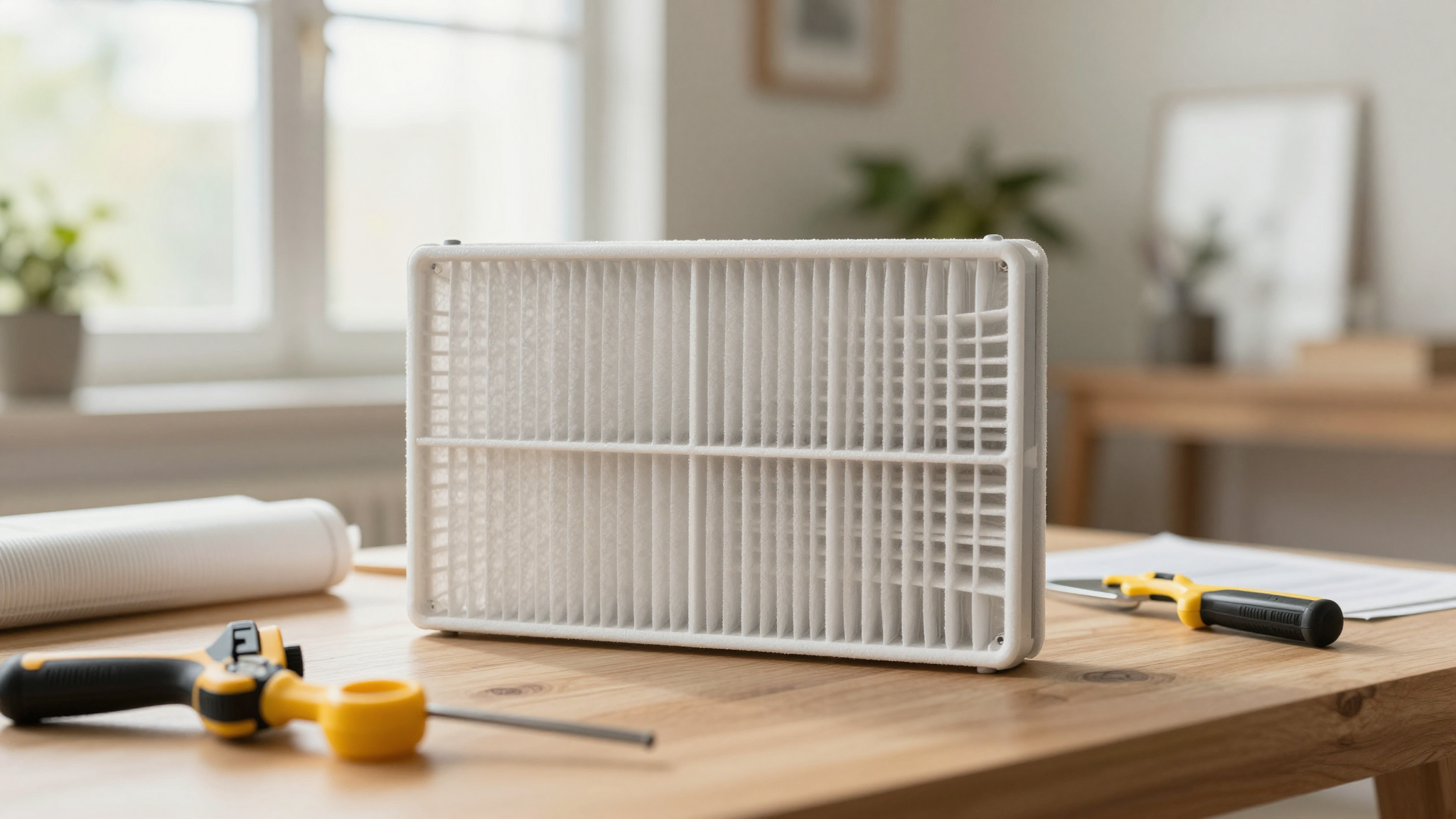
I’ll admit it,I used to ignore my air filters. “They’ll last longer,” I’d tell myself. Then my energy bills skyrocketed, and my allergies flared up. Turns out, a dirty filter doesn’t just make your system work harder,it also circulates dust and allergens through your home.
Here’s how I handle filters now:
- I check them monthly, even if they’re not due for a replacement. If they’re gray or clogged, I clean them with a vacuum or replace them.
- I replace them every 2-3 months during peak seasons (winter and summer). If I have pets or allergies, I go for the Honeywell True HEPA filters,they’re pricey but worth it.
- I measure my vents before buying replacements. Nothing’s worse than realizing your new filter doesn’t fit. (Ask me how I know.)
If you’re not sure what kind of filter you need, check the size printed on the side of your current one. And if you’re dealing with allergies or pets, consider upgrading to a MERV 8-12 filter. It’s worth the extra cost.
For more on keeping your air clean, check out my guide on updating your home’s airflow.
Thermostat Hacks: How I Save Money Without Freezing
I used to think thermostats were just fancy thermometers. Then I got a Nest Learning Thermostat and realized how much I was wasting. Here’s what I’ve learned:
- Set it and forget it (mostly). I keep mine at 68°F in winter and 78°F in summer when I’m home. When I’m away, I bump it up to 80°F or down to 60°F. The Nest learns my habits and adjusts automatically,saving me about 12% on heating and 15% on cooling.
- Use fans to feel cooler. Instead of cranking the AC, I run a ceiling fan. It makes the room feel 4°F cooler, so I can keep the thermostat higher without sweating.
- Close vents in unused rooms. I used to leave all the vents open, even in rooms no one used. Now I close them in guest rooms and my kids’ bedrooms when they’re at school. It forces air where it’s needed and saves energy.
If you don’t have a smart thermostat, don’t worry,a programmable one works too. Just set it to adjust temperatures automatically when you’re asleep or away.
For more ways to save energy, check out my post on winterizing your home.
Seasonal Maintenance: What I Do (And When)
I used to think HVAC maintenance was a year-round chore. Then I realized that focusing on seasonal tasks makes the job easier,and my system lasts longer. Here’s my schedule:
Spring (Before Summer Hits)
- I clean or replace my AC filter and check the coils for dirt.
- I test my thermostat to make sure it’s sending the right signals to my AC.
- I schedule a professional tune-up. It’s worth the $100-$150 to catch problems early.
Fall (Before Winter)
- I replace my furnace filter and check the pilot light.
- I clean my vents to make sure airflow isn’t blocked.
- I test my carbon monoxide detector (again).
If you’re not sure when to do these tasks, set a reminder on your phone for March and October. That’s when I do mine, and it keeps my system running smoothly all year.
For more seasonal home tips, check out my guide on prepping your home for the seasons.
Common HVAC Problems (And How I Fix Them)
I’ve had my fair share of HVAC mishaps, and most of them were fixable with a little know-how. Here are the ones I see most often,and how I handle them:
Weird Noises
My furnace once started making a screeching noise that sounded like a banshee. Turns out, a belt was slipping. I lubed it with some WD-40, and it quieted down. If the noise persists, though, I call a pro,because that banshee sound could mean bigger problems.
Poor Airflow
If your vents are blowing weak air, check your filter first. If it’s clean, the issue might be a clogged coil or a problem with your blower motor. I once had to pull out my Shop-Vac to clean a clogged vent,turns out, my cat had been using it as a litter box. (Yes, I had to wash my hands thoroughly after that.)
Uneven Temperatures
If some rooms are freezing while others are saunas, your ducts might be leaking or blocked. I used duct sealant tape to fix a few small leaks in my basement, and it made a huge difference. For bigger issues, though, I call a duct-cleaning service.
If you’re dealing with any of these issues, start with the simple fixes. If they don’t work, it’s time to call a pro,before the problem gets worse.
When to Call a Pro (And Why I Learned This the Hard Way)
I used to think I could fix anything with a YouTube video and a prayer. Then I tried to “fix” a refrigerant leak myself and nearly made it worse. Here’s when to call a professional:
- Strange noises that don’t go away after basic fixes.
- Leaks (water, refrigerant, or gas,call immediately).
- Unexplained spikes in your energy bill (could mean an inefficient system or a hidden problem).
- Poor air quality (musty smells, excessive dust, or allergies flaring up).
- Thermostat malfunctions that you can’t troubleshoot.
I’ve learned that some problems are not DIY-friendly. If you’re ever in doubt, don’t hesitate to call a pro. It’s cheaper than a botched repair job.
For more on knowing when to DIY and when to call a pro, check out my post on fixing drywall.
Why I Love My Maintenance Agreement (And You Might Too)
Last year, I signed up for a maintenance agreement with my HVAC company. For $150 a year, I get:
- Two annual tune-ups.
- Priority scheduling if something breaks.
- Discounts on repairs and new equipment.
I used to think it was a waste of money,until my furnace needed a $400 repair. Because of the agreement, I got a 10% discount. Plus, the techs know my system inside and out, so they catch problems before they become disasters.
If you’re on the fence, consider this: A maintenance agreement can save you money in the long run. It’s like an insurance policy for your HVAC.
For more on keeping your home in top shape, check out my guide on updating your home’s systems.
Annual Checkups: The One Thing That Saves Me Money Every Year
I used to skip annual checkups,until my HVAC company pointed out that my system was running 20% less efficiently than it should. After a tune-up, my energy bills dropped by 12%. That’s real money saved.
Here’s what happens during my annual checkup:
- The tech checks refrigerant levels (low refrigerant means your AC isn’t cooling properly).
- They clean coils and filters (dirty coils make your system work harder).
- They test safety controls (like carbon monoxide detectors and circuit breakers).
- They lubricate moving parts (like belts and motors) to prevent wear and tear.
I schedule mine in early spring (before summer) and early fall (before winter). It’s a small investment that pays off in comfort and savings.
If you haven’t scheduled your annual checkup yet, do it now. Trust me,your wallet will thank you.
Cost-Saving Tips I Wish I’d Known Sooner
I’ve spent years (and way too much money) learning how to keep my HVAC running efficiently. Here are the tips I wish I’d known from the start:
- Seal air leaks. I used weatherstripping around my doors and windows, and it cut my heating bill by 5%.
- Add insulation. My attic was like a sieve. After adding fiberglass insulation, my energy bills dropped by 10%.
- Upgrade to a smart thermostat. Mine pays for itself in energy savings every year.
- Clean your ducts. I had no idea how much dust was trapped in mine until I had them cleaned. Now my air quality is better, and my system runs smoother.
- Consider a maintenance agreement. It’s cheaper than emergency repairs,and gives you peace of mind.
If you’re ready to start saving, pick one of these tips and tackle it this week. Even small changes add up over time.
Final Thought: Start Small, But Start Now
I’ll be honest,when I first started maintaining my HVAC, I felt overwhelmed. There’s so much to learn, and it’s easy to put it off. But here’s the thing: you don’t have to do everything at once.
Start with the basics:
- Check and replace your air filter.
- Clean your condenser coils.
- Adjust your thermostat settings.
Once you’ve got those down, move on to bigger tasks like sealing ducts or scheduling a tune-up. Before you know it, you’ll be the HVAC expert in your home,and your system will run like a dream.
And if you ever get stuck, remember: I’ve been there. I’ve made mistakes, I’ve called pros in a panic, and I’ve learned the hard way what actually works. Now it’s your turn.
Ready to get started? Grab your filter replacement kit, set a reminder for your next maintenance task, and let’s keep your home comfortable,and your wallet happy.
FAQs
What are the biggest benefits of maintaining my HVAC system?
Proper maintenance keeps your system running efficiently, which means lower energy bills and a longer lifespan for your equipment. It also prevents costly repairs and keeps your air clean,especially important if you or your family have allergies. Plus, a well-maintained system is less likely to break down when you need it most (like during a heatwave or blizzard).
What tools do I actually need for basic HVAC maintenance?
You don’t need a full toolbox, but these basics will cover most tasks:
- A filter replacement kit (get the right size for your system!).
- A vacuum or Shop-Vac (for cleaning vents and coils).
- A thermostat tester (to check if your thermostat is sending the right signals).
- A multimeter (if you’re comfortable checking electrical connections).
- A leak detector (for refrigerant leaks,call a pro if you find one).
Start with the basics, and add tools as you get more comfortable.
How often should I replace my HVAC filters?
It depends on your system and how much you use it, but here’s a general rule:
- 1-3 months for standard filters (check them monthly).
- Every 6-12 months for high-efficiency filters (like HEPA).
- More often if you have pets, allergies, or a large home.
Write the replacement date on the filter box so you don’t forget!
What’s the best temperature to set my thermostat?
It depends on the season and your comfort, but here’s what works for me:
- Winter: 68°F when I’m home, 60°F when I’m away or asleep.
- Summer: 78°F when I’m home, 85°F when I’m away.
Every degree you adjust can save you 1-3% on your energy bill. And if you’re not home, there’s no need to keep it at a comfortable temperature!
How often should I get a professional HVAC tune-up?
I schedule mine twice a year,once in spring (before summer) and once in fall (before winter). A tune-up catches small problems before they become big (and expensive) repairs. If your system is older or you’ve noticed issues, you might need more frequent checkups.
What are the most common HVAC problems, and how can I fix them?
Here are the ones I see most often,and how I handle them:
- Weird noises: Check for loose parts, dirty filters, or slipping belts. If it’s a grinding or screeching sound, call a pro.
- Poor airflow: Replace your filter, clean vents, or check for blocked ducts. I once had to pull a nest out of my vent,not fun.
- Uneven temperatures: Close vents in unused rooms, check for duct leaks, or adjust your thermostat settings.
- High energy bills: Check for air leaks, clean coils, or schedule a tune-up. Sometimes, your system just needs a little TLC.
If you’re not sure, start with the simple fixes. If the problem persists, it’s time to call a pro.
When should I call a professional HVAC service?
Don’t wait until your system is on its last legs! Call a pro if you notice:
- Strange noises (especially grinding or screeching).
- Leaks (water, refrigerant, or gas,this is an emergency).
- Unexplained spikes in your energy bill.
- Poor air quality (musty smells, excessive dust, or allergies flaring up).
- Thermostat malfunctions you can’t fix.
I’ve learned the hard way that some problems can’t be DIY’d. When in doubt, call a pro!