How to Fix a Running Toilet (Without Calling a Plumber)
Let me tell you,nothing ruins a quiet morning like the sound of a toilet running nonstop. I learned that the hard way when my water bill suddenly doubled last winter. Turns out, my flapper was shot, and I’d been wasting gallons of water for weeks. The good news? Fixing a running toilet is one of the easiest DIY plumbing jobs out there. No, really. I’ve done it three times now, and I’ll walk you through the exact steps I used,plus the mistakes I made so you don’t repeat them.
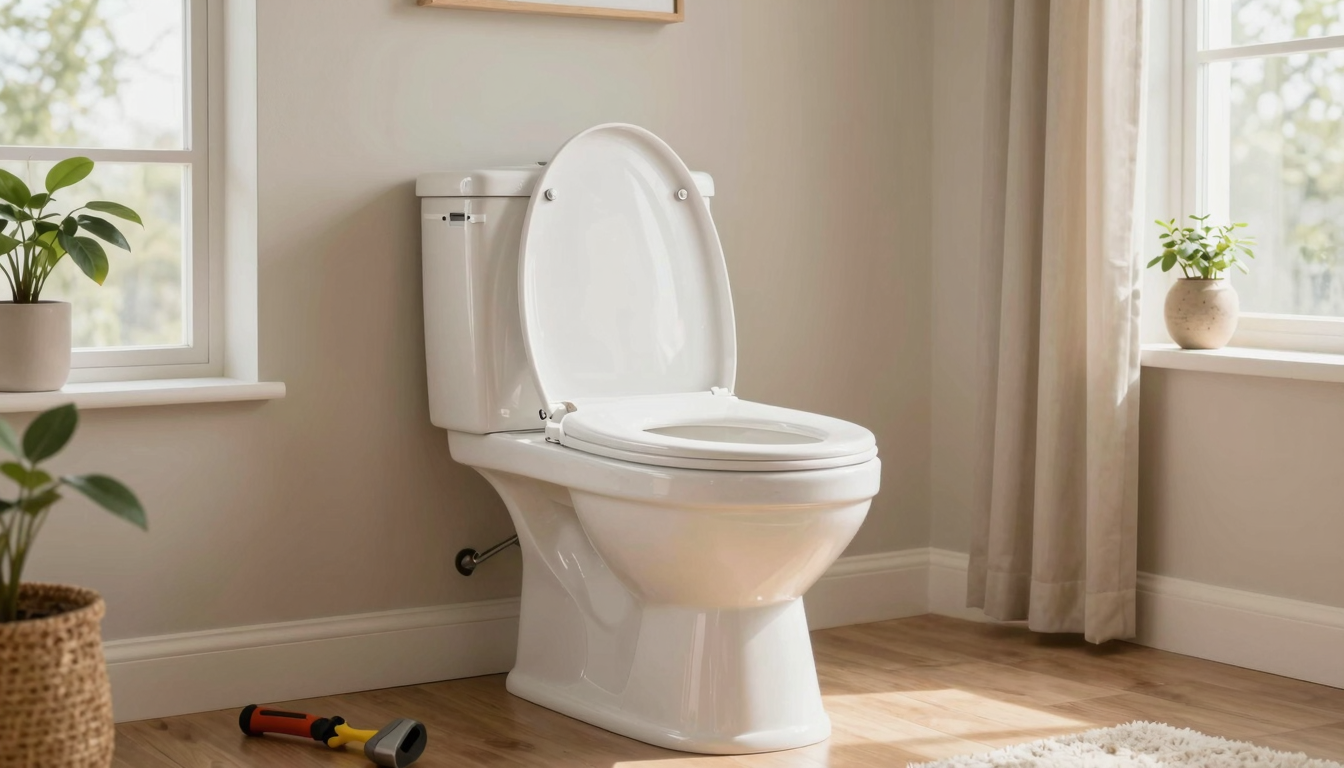
Before we dive in, grab these tools and parts (I keep a stash of these in my DIY toolkit for emergencies like this):
- A pair of adjustable pliers (I swear by my Harbor Freight ones,they’re cheap but tough)
- A flathead screwdriver (for stubborn parts)
- A new flapper (I like the Korky 120A,it’s universal and lasts)
- A new fill valve (if yours is old or leaking; Fluidmaster 400A is my go-to)
- Towels or rags (trust me, you’ll need them)
- A bucket (for draining the tank,don’t skip this!)
Why Your Toilet Won’t Stop Running (And Why It’s Costing You)
First, let’s talk about the real problem here: a running toilet isn’t just annoying,it’s a money pit. My husband and I once ignored ours for a month, thinking it was “no big deal.” Our water bill went up by $80. Eighty dollars. For something that takes 10 minutes to fix.
Here’s what’s usually wrong (and how I figured it out the hard way):
- Worn-out flapper: Mine looked fine at first, but when I lifted it, it was cracked and brittle. Water was leaking around the edges every time the tank refilled. Lesson learned: If your flapper is older than 2 years, replace it preemptively.
- Misadjusted fill valve: The float in my toilet was stuck, so the valve kept refilling the tank even when it was full. I thought I’d “fixed” it by jiggling the float, but the problem came back. Turns out, the valve itself was faulty.
- Clogged drain or mineral buildup: Once, I had a slow drain that caused the water to keep running. I thought it was the flapper, but after replacing it, the problem persisted. Turned out, there was a buildup of calcium in the drain. A good soak with vinegar (yes, really) cleared it out.
Pro tip: If your toilet runs constantly (like, you can hear it from the living room), the flapper or fill valve is 90% of the issue. If it runs intermittently (starts and stops), check the float or the overflow tube.
Tools and Parts You’ll Actually Need
I’ll be honest,my first attempt at fixing our toilet was a disaster because I didn’t have the right tools. I tried using a butter knife to adjust the float (don’t ask). Here’s what actually works:
Essential Tools
- Adjustable wrench: For tightening or loosening the fill valve or tank bolts.
- Screwdriver: Some toilets have screws holding the tank lid or flush handle in place.
- Bucket: Drain the tank into this instead of your floor. (I learned this after a very messy spill.)
- Towels or rags: Water will splash. A lot.
- Flashlight: Toilet tanks are dark. You’ll thank me.
Parts to Replace (If Needed)
Before you start, check these three things in your tank:
- Flapper: Lift it up. If it’s warped, cracked, or doesn’t seal tightly, replace it.
- Fill valve: Listen for a hissing sound when the tank is full. If it’s hissing constantly, the valve is bad.
- Float: Gently move it up and down. If it’s stuck or doesn’t adjust smoothly, it might need replacing (or just a good cleaning).
Pro tip: Buy a universal flapper (like the Korky one I mentioned) and a fill valve from a hardware store like Home Depot or Lowe’s. They’re cheap (under $20) and will save you from a plumbing bill.
Safety First: How to Avoid a Flood (Or an Electric Shock)
Okay, real talk: I once turned off the wrong valve and flooded our bathroom. Not a fun cleanup. Here’s how to do this without turning your floor into a swimming pool:
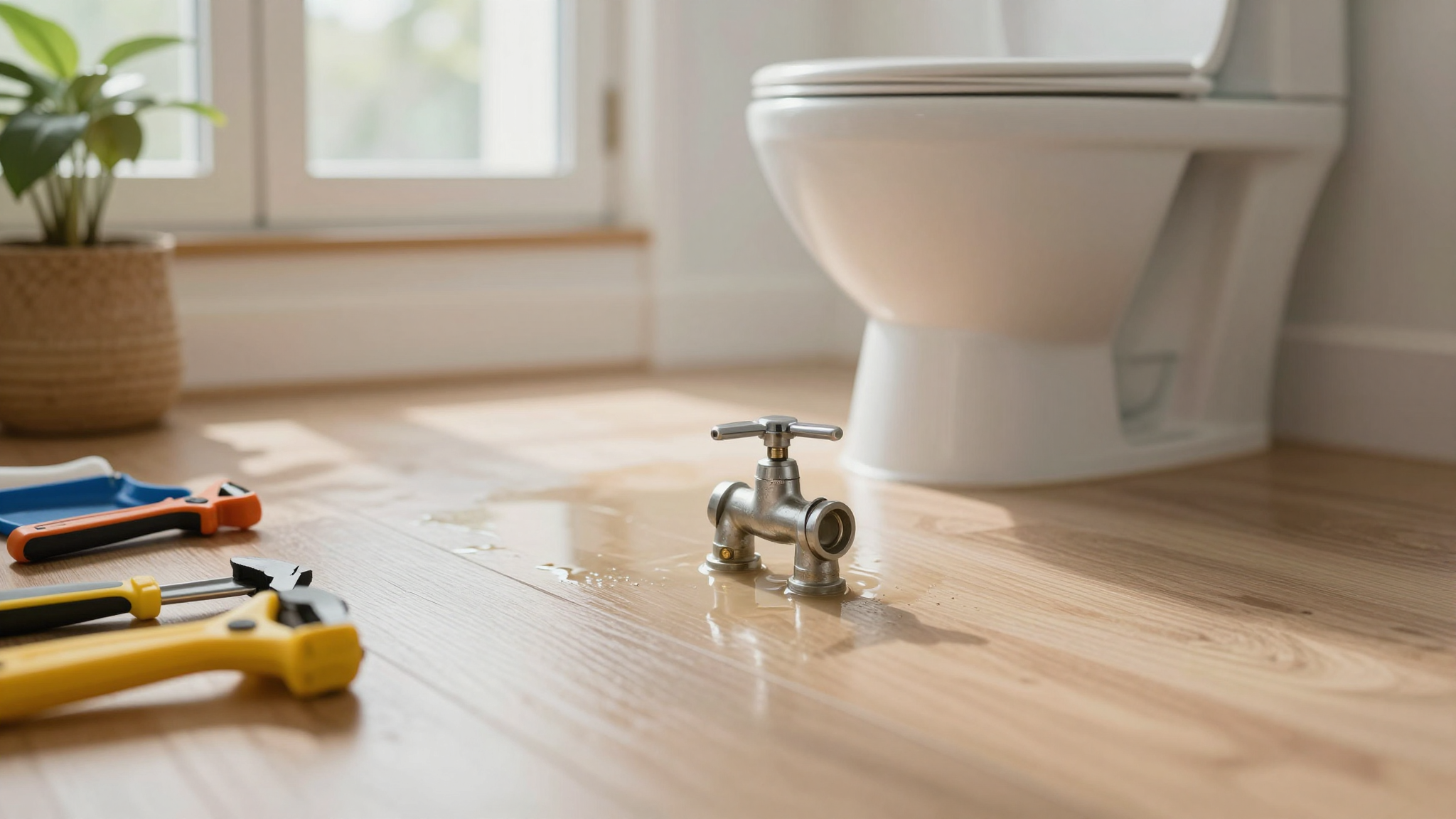
Step 1: Turn Off the Water Correctly
Most toilets have a shut-off valve behind them (usually on the wall or floor). It looks like a little knob or lever. Turn it clockwise until it stops. If it’s stuck, don’t force it,grab your pliers and give it a gentle twist.
If your toilet doesn’t have a shut-off valve (older homes, I’m looking at you), you’ll need to turn off the main water supply to your house. It’s usually in the basement, garage, or a utility closet. Label it with a bright sticker so you don’t forget next time!
Step 2: Flush the Toilet and Drain the Tank
Hold down the handle to flush out as much water as possible. Then, use a towel to soak up the rest. If you skip this, you’ll be scooping water out of the tank with a cup (ask me how I know).
Step 3: Work in a Dry, Ventilated Area
Keep your workspace clean and dry. Water + electricity = bad news, so avoid using power tools near the toilet. And for the love of all things DIY, don’t wear flip-flops. I slipped once and nearly took out the entire tank.
Step-by-Step: How to Fix a Running Toilet
Alright, let’s get to the good stuff. Here’s exactly how I fixed ours,without calling a plumber.
Step 1: Remove the Tank Lid
Most tank lids just lift off, but some have screws holding them in place. If yours does, use a screwdriver to remove them. Set the lid somewhere safe (like on a bed or table),they’re heavy and will crack if you drop them.
Step 2: Check the Flapper
Look at the flapper (that rubber thing at the bottom of the tank). If it’s:
- Cracked, warped, or covered in mineral buildup → Replace it.
- Sealing properly but still leaking → Clean the seat where it rests (use a toothbrush and vinegar if it’s gunky).
- Fine, but the chain is too tight → Loosen it so there’s a little slack (about ½ inch).
Pro tip: If your flapper is old and stiff, soak it in vinegar for 10 minutes to soften it before replacing. It’ll make installation easier.
Step 3: Test the Fill Valve
Look at the fill valve (the tall plastic or metal tube with a float on top). Do this:
- Press down on the float. If the water stops filling, the valve is working.
- If water keeps running, the valve is bad and needs replacing.
- If the float is stuck, wiggle it gently. If it’s still stuck, the fill valve is likely shot.
To replace the fill valve:
- Disconnect the water supply line (the hose at the bottom of the valve). Use your adjustable wrench to loosen the nut.
- Unscrew the locknut at the base of the valve (turn counterclockwise).
- Pull out the old valve.
- Insert the new valve (make sure the gasket is seated properly).
- Reattach the locknut and water supply line. Turn the water back on and test it.
I messed this up once by not tightening the locknut enough. Water sprayed everywhere. Tighten it well.
Step 4: Adjust the Float
The float is that little plastic or metal ball (or cylinder) on the fill valve. If it’s set too high, the tank will overfill. If it’s too low, it won’t fill enough.
To adjust it:
- For a ball float: Bend the rod slightly up or down.
- For a cylinder float: Slide it up or down the fill valve.
Test it by flushing the toilet. The water should fill up to about ½ inch below the overflow tube (that skinny tube in the center of the tank).
Step 5: Reassemble and Test
Put the tank lid back on (screw it in if needed). Turn the water supply back on. Let the tank fill up, then flush a few times to make sure everything’s working.
If the toilet stops running, celebrate. You just saved yourself $100+ and a plumber’s markup. If it’s still running, double-check the flapper and fill valve. If all else fails, call a pro,but at least you tried!
When to Call a Plumber (And When to DIY)
I’m all for DIY, but some problems are better left to the pros. Here’s when to pick up the phone:
Call a Plumber If…
- Your toilet bowl is cracked. (I learned this the hard way when my kid dropped a toy in and the bowl shattered. Not a fun cleanup.)
- You suspect a sewer line clog. If multiple fixtures (toilet, sink, shower) are draining slowly, there’s a bigger issue.
- You’ve replaced the flapper and fill valve, and the toilet still runs. There might be a deeper problem with the flush valve or drain.
- You’re not comfortable with plumbing. There’s no shame in calling a pro,especially if you’re dealing with water damage or electrical risks.
That said, 90% of running toilets are fixed by replacing the flapper or fill valve. If you can handle those two parts, you’re golden.
How to Keep Your Toilet Running Smoothly (So You Never Have to Fix It Again)
Prevention is key. Here’s how I keep our toilets in check:
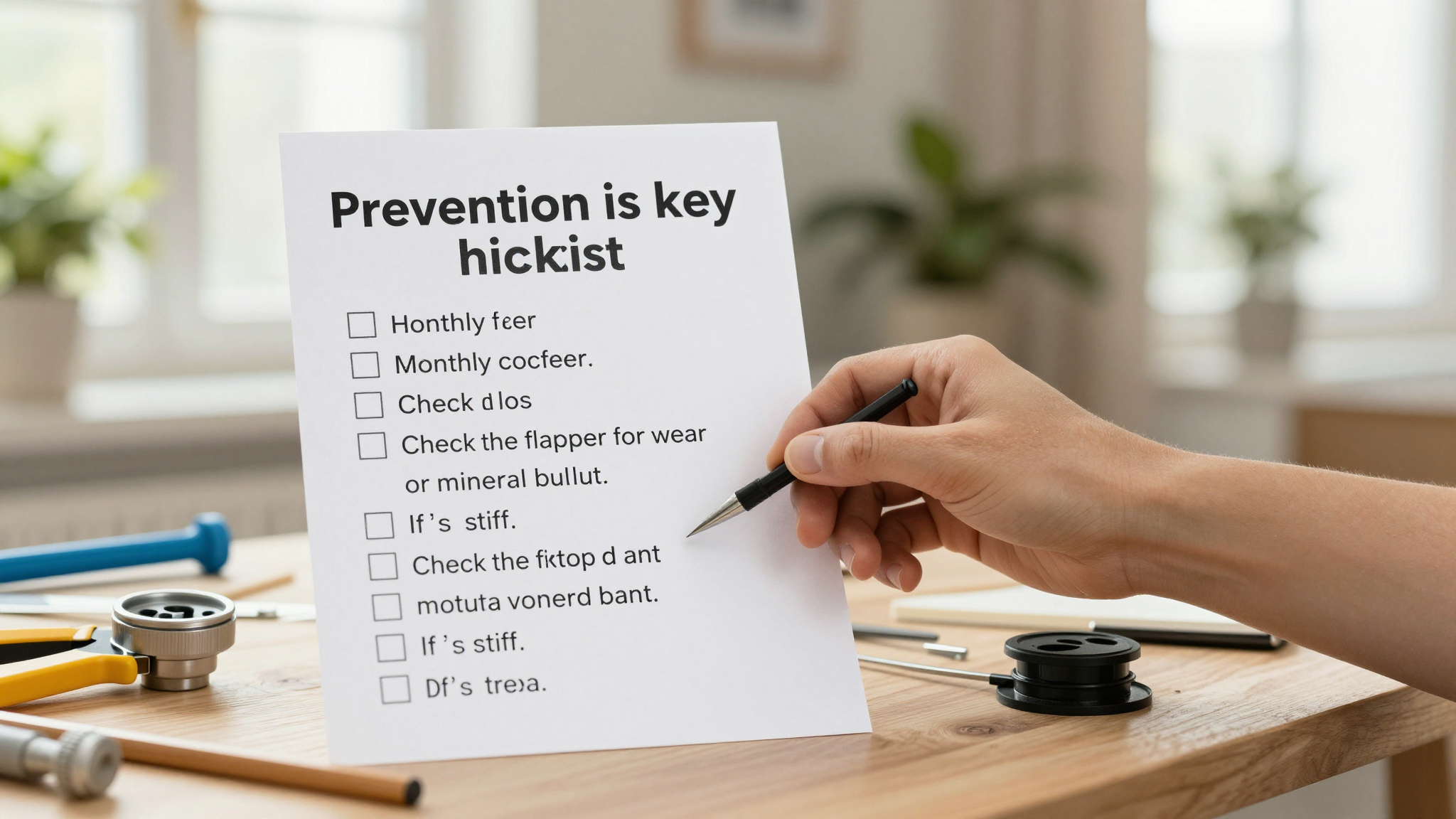
Monthly Maintenance Checklist
- Check the flapper for wear or mineral buildup. If it’s stiff, soak it in vinegar.
- Test the fill valve by pressing down the float. Water should stop filling.
- Wipe down the tank and bowl with a vinegar solution to prevent buildup.
- Listen for unusual sounds (like hissing or gurgling). Those are early warning signs.
Signs Your Toilet Needs Attention
Watch for these red flags:
- Your water bill spikes unexpectedly.
- You hear water running even when no one’s flushed.
- The tank takes forever to refill after flushing.
- There’s a faint sewage smell (this usually means a bad seal).
Pro tip: If you’re doing a spring home refresh, add toilet maintenance to your list. It’s a great way to catch small issues before they become big (and expensive) problems.
Upgrades to Make Your Toilet More Efficient (And Save You Money)
If your toilet is constantly giving you trouble, it might be time for an upgrade. Here’s what I’ve done in our house:
1. Install a High-Efficiency Toilet
Older toilets use 3-5 gallons per flush. Newer, WaterSense-certified models use just 1.28 gallons. That’s a $100+ savings on your water bill per year.
I replaced our guest bathroom toilet with a TOTO CST744 (it’s pricey but so quiet and efficient). If you want something budget-friendly, the American Standard ProClean is a great pick.
2. Upgrade Your Flapper and Fill Valve
If you’re not ready for a full toilet replacement, start with these upgrades:
- Silicon flapper: Lasts longer than rubber and resists mineral buildup. I use the Korky 120A.
- Adjustable fill valve: The Fluidmaster 400A has a built-in water level adjustment.
3. Add a Toilet Tank Bank
This is a $20 DIY hack that saves water. It’s a simple plastic bottle filled with water and placed in the tank. It displaces water, so the toilet uses less per flush.
How to do it:
- Use a 1-liter plastic bottle (like a soda bottle).
- Fill it with water and screw the cap on tightly.
- Place it in the tank, away from the flapper and fill valve.
- Test the flush. It should use less water!
I did this in our powder room, and it cut our water usage by 20%. Not bad for $0!
Final Thought: Don’t Ignore the Drip!
I know, I know,fixing a toilet isn’t as fun as updating your fireplace or refinishing your stairs. But trust me, a 10-minute fix now will save you hours (and hundreds of dollars) later.
Next time your toilet starts running, grab your tools, follow these steps, and don’t make the same mistakes I did. And if you’re feeling ambitious, check out my guide on adding wainscoting,it’s a great way to celebrate your plumbing victory with a home upgrade!
Got a running toilet? Drop a comment below and tell me,did you fix it yourself, or did you call a plumber? (No judgment here. I’ve done both.)