How We Built a Kid-Friendly Pet Care Station (And Why It Changed Our Routine)
When our golden retriever, Max, joined our family five years ago, I knew he’d be more than just a pet,he’d be a teacher. Not just for my kids, but for me too. Turns out, teaching children responsibility through pet care isn’t just about keeping a dog fed and brushed. It’s about showing them that love and care aren’t just feelings; they’re actions. Daily ones.
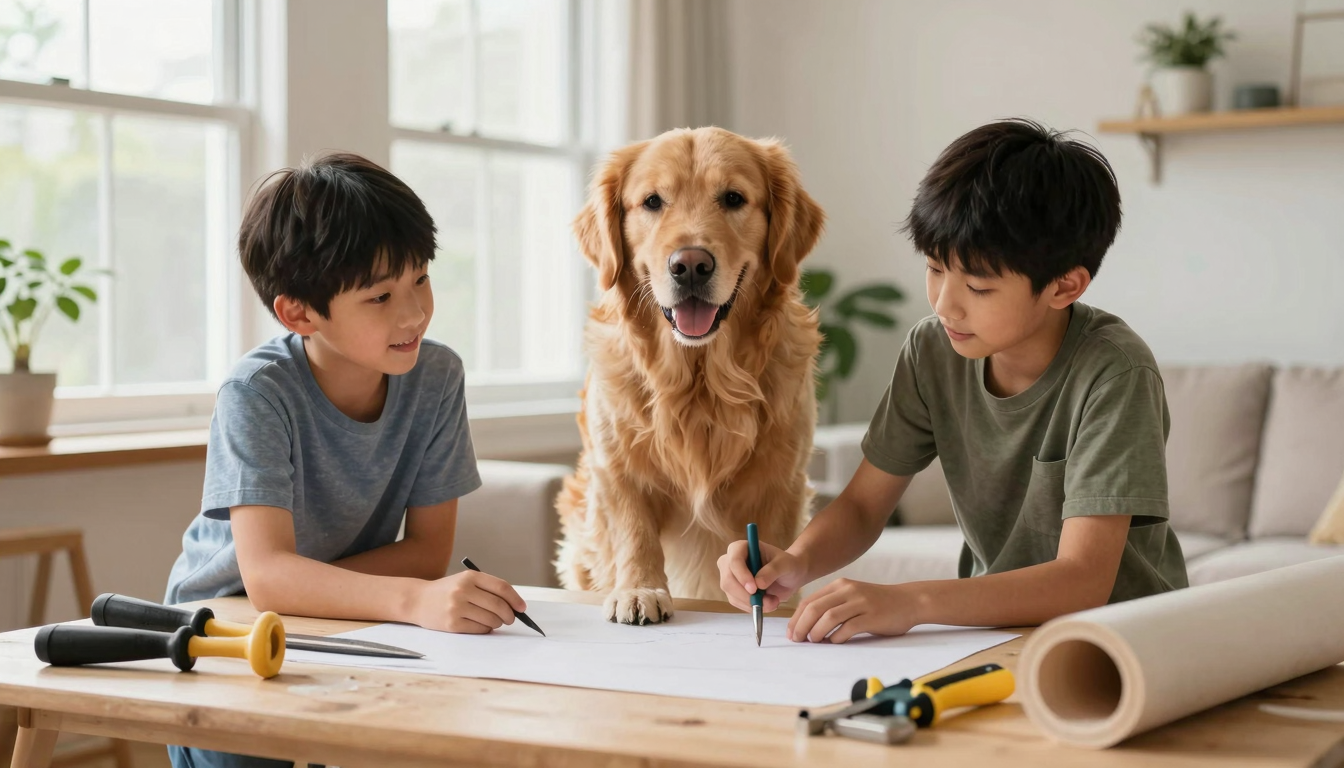
That’s why we built a pet care station in our garage. It wasn’t some fancy, store-bought setup (though I did eye a few on Pinterest that cost more than our first car). No, this was a project born out of necessity,after my seven-year-old, Liam, nearly knocked over a bowl of water trying to “help” bathe Max in the kitchen sink. Again.
Here’s what I’ve learned: A dedicated space doesn’t just make pet care easier. It turns chores into lessons. Feeding, grooming, even cleaning up after Max became rituals my kids looked forward to. And yes, there were messes,like the time my daughter, Sophie, accidentally sprayed herself with the pet-safe disinfectant instead of the table. But those moments? They taught her more about responsibility than any lecture ever could.
Why This Station Works (And How It Might Work for You)
Before we dive into the nitty-gritty of how we built it, let’s talk about why this setup matters. Kids thrive on routine, and pets need routine. By giving my children a designated space to care for Max, we turned abstract concepts like “commitment” and “empathy” into tangible actions. Sophie, who used to beg me to “just do it” when Max’s water bowl was empty, now fills it herself,without being asked. Liam, who once thought “walking the dog” meant yanking the leash while Max dragged him down the street, now understands that patience and gentleness matter.
This isn’t just about pets, though. It’s about raising kids who understand that actions have consequences. When Max’s fur gets matted because Sophie forgot to brush him for a week, she sees the result of her inaction. When Liam remembers to refill Max’s food bowl before school, he feels the pride of keeping his promise. These aren’t just life skills,they’re life values.
And here’s the thing: It’s not about perfection. It’s about progress. Some days, the station is a disaster zone. Other days, my kids surprise me with how capable they’ve become. But every day, they’re learning.
Who Is This For?
If you’re a parent, teacher, or youth leader looking for a way to teach responsibility in a hands-on way, this station is for you. We designed it with kids ages 6 and up in mind, but honestly? The youngest helper in our house is four, and she’s already “supervising” (read: handing me brushes and making a mess of the water bowl). The key is making the space accessible,not just physically, but emotionally. Kids need to feel like they’re part of the process, not just spectators.
We’ve seen this work in our own home, and I’ve heard from other parents who’ve tried similar setups. The difference? A structured space removes the chaos. No more last-minute scrambles to find the brush before school pickup. No more forgotten water bowls because no one remembered where we left them. Just a clear, organized area where the kids know exactly what to do,and why it matters.
Here’s a quick breakdown of who benefits most:
- Families: Parent-child bonding over shared tasks (and yes, the occasional giggle fit when Max shakes water everywhere).
- Schools: A hands-on way to teach kids about animal care, teamwork, and consistency,especially in programs like 4-H or after-school clubs.
- Youth programs: A tool for character-building, where kids learn that responsibility isn’t just about themselves.
Pro tip: If you’re short on space, don’t overthink it. Our station lives in a corner of the garage, but we’ve seen parents turn laundry rooms, mudrooms, and even spare closets into pet care hubs. The key is making it visible and accessible.
What’s Inside Our Pet Care Station (And Why We Chose These Features)
When we started this project, I had two goals: durability and safety. I’ve learned the hard way that kids + pets + flimsy furniture = disaster. (Ask me how I know. Spoiler: It involved a wobbly folding table, a very wet dog, and a trip to the hardware store for drywall repair.)
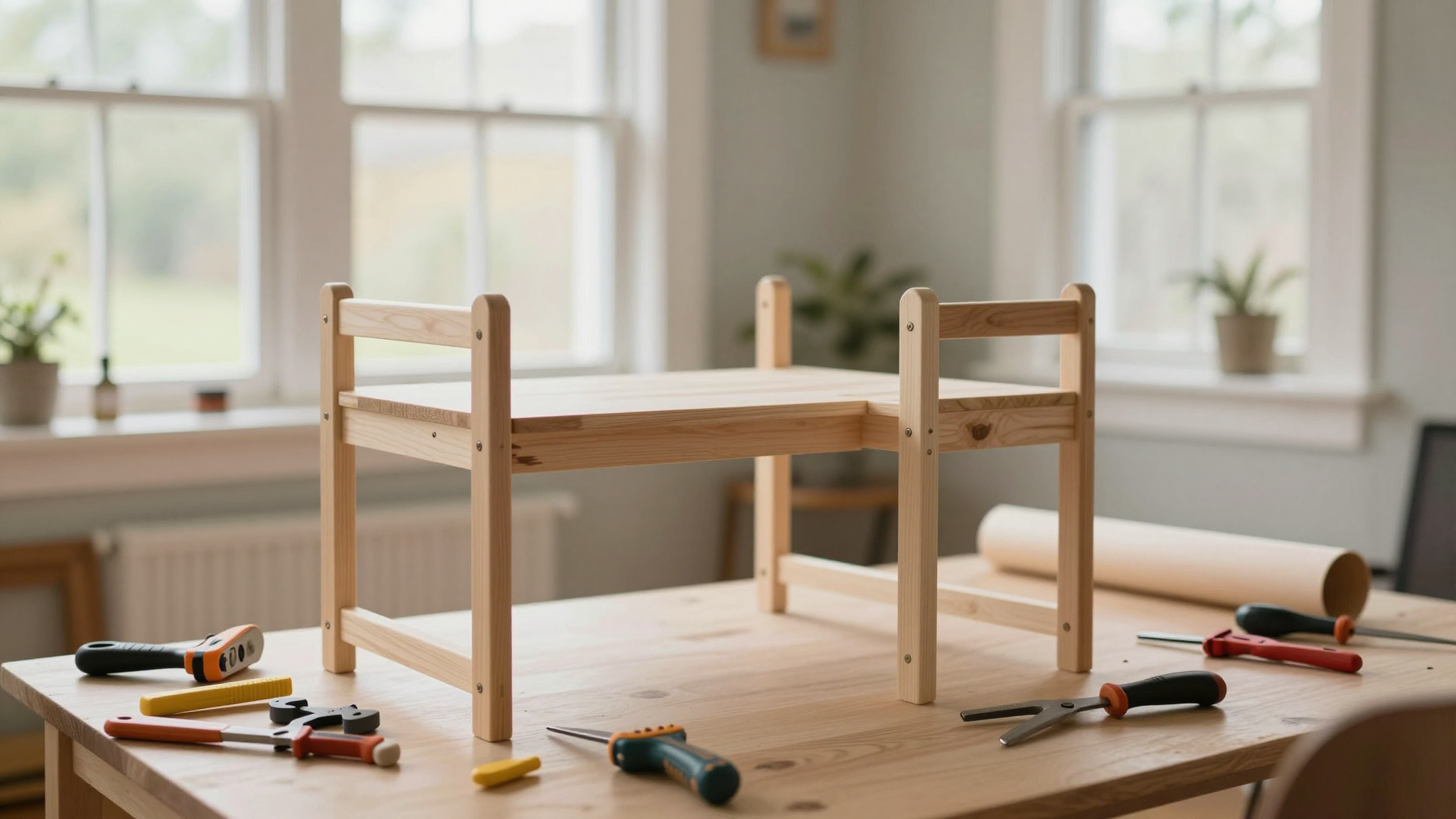
So, we went with stainless steel. Yes, it was pricier than the particleboard alternative, but after two years of daily use, it still looks brand new. The 14-gauge steel tabletop and 12-gauge surround can handle everything from a wiggly 80-pound dog to a four-year-old “helping” by climbing onto it. (Again, ask me how I know.)
Safety First: Restraints, Surfaces, and Smart Storage
Safety isn’t just about keeping the kids from falling. It’s about teaching them how to handle Max with care. That’s why our station has:
- Rounded edges: No sharp corners to bump into, especially important when Max gets excited during grooming.
- Eleven welded restraint points: Adjustable loops to secure Max (or our neighbor’s tiny Chihuahua, who visits sometimes) so he doesn’t bolt when the brush comes out.
- A removable comfort pad: Non-slip, easy to clean, and,most importantly,saves Max’s paws from the cold metal. (He’s dramatic about it. Trust me.)
- Built-in tool holder: A backriser-mounted rack keeps brushes, combs, and pet-safe wipes within reach. No more digging through drawers mid-grooming.
One of my favorite features? The integrated waste tray. Before this, hair and dirt would end up everywhere. Now, Sophie sweeps it into the tray like a pro,then dumps it into the trash without making a mess. Small wins, but they add up.
Oh, and the ADA-compliant height? That was a game-changer for my cousin’s daughter, who uses a wheelchair. She can roll right up to the table and help groom her service dog without any issues. Inclusive design isn’t just a buzzword,it’s a necessity.
Size Matters: Fitting It Into Your Space
Our station is 52 inches long, 24 inches wide, and 59 inches high,big enough for Max but compact enough to fit in our garage. The 33-inch work surface height is perfect for Liam (who’s now 10 and growing like a weed) and me (who’s 5’2” and refuses to admit she needs a step stool).
If you’re wondering where to put it, think about high-traffic areas where your kids already spend time. Our garage was the obvious choice,it’s close to the backyard, so walks are easy, and it’s out of the way of the main living areas. But if you don’t have garage space, consider:
- A corner of the laundry room (bonus: easy access to water for baths!).
- A mudroom (great for wiping paws after walks).
- A spare closet (if you’re short on space, go vertical with wall-mounted storage).
Pro tip: If you’re worried about the station looking “industrial,” soften it with a custom paint job or a peel-and-stick wallpaper behind it. We added a farmhouse-style shelf above it to hold Max’s toys, and now it actually looks like it belongs in our home.
What We Wish We’d Known Before Building
If I could go back, I’d change a few things,not because the station doesn’t work, but because I’d save myself some headaches. Here’s what I’ve learned:
- Start with a sketch. I thought I could “eyeball” the dimensions, but that led to a table that was just a little too short for Max to lie down comfortably. Measure twice, cut once,even if you’re not cutting anything!
- Invest in a good vacuum. Hair gets everywhere. We use a cordless shop vac to suck up fur between grooming sessions. Trust me, it’s worth it.
- Teach kids to “reset” the station. At first, we’d finish grooming, and the brushes would end up scattered on the floor. Now, Sophie and Liam know to put everything back in its place before they leave. It’s taken time, but it’s become a habit.
- Don’t skip the non-slip mat. The first time Max shook himself dry on the metal table, he nearly slid right off. A grip mat (the kind you’d use in a shower) solved that problem.
Oh, and one more thing: let the kids personalize it. Liam painted his name on the side in chalkboard paint, and Sophie added stickers of Max’s favorite treats. It’s not just a functional space,it’s their space.
Ready to Build Your Own?
If you’re sold on the idea but not sure where to start, here’s what I’d do:
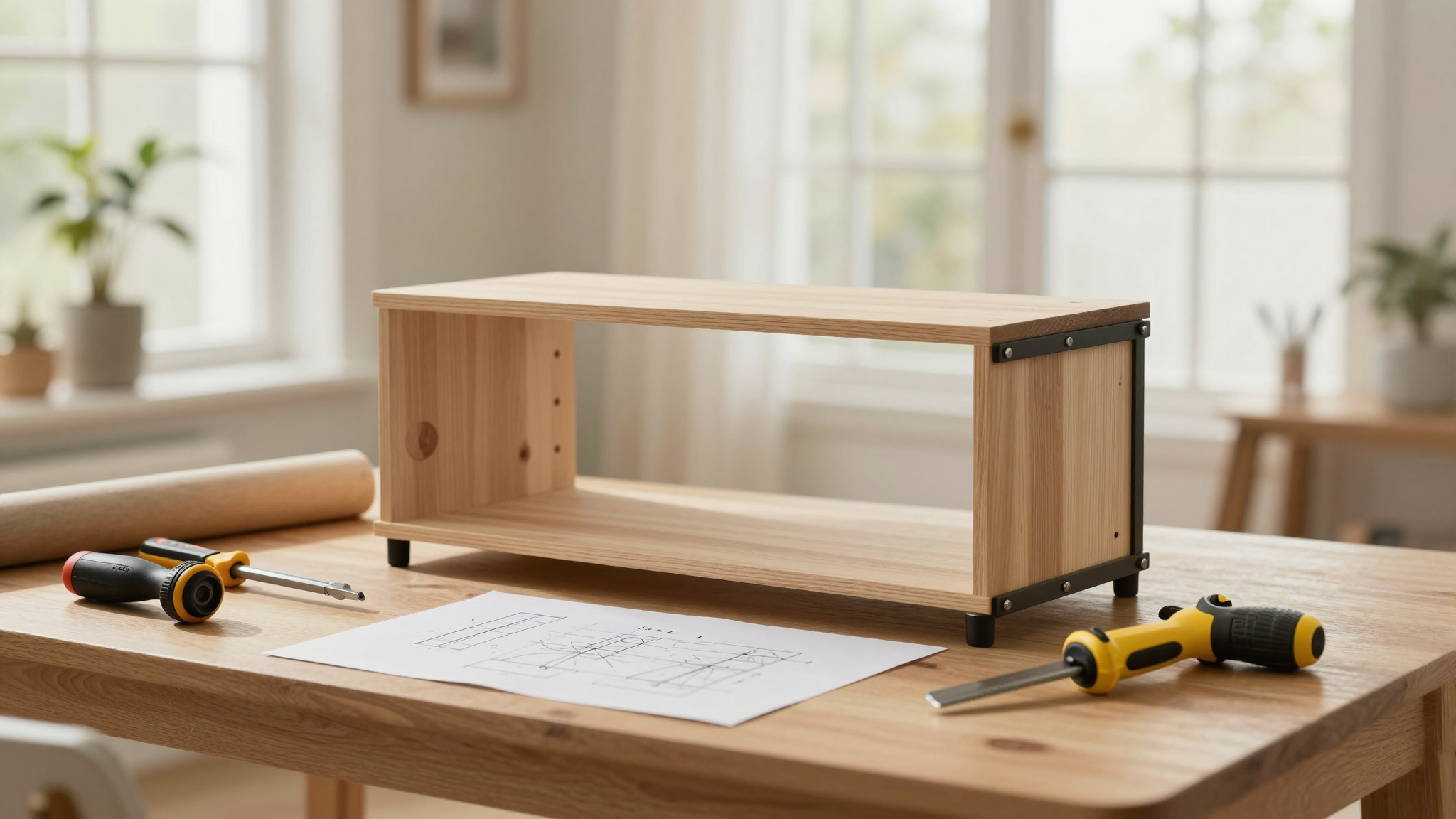
- Measure your space. Sketch out where the station will go, and make sure there’s room for your pet to move comfortably.
- Gather supplies. You’ll need stainless steel (check local metal suppliers or salvage yards for affordable options), a drill, and basic tools. If you’re not handy, consider enlisting a friend who is,or hire a local handyman for the heavy lifting.
- Involve the kids. Let them pick out the brushes, the color of the comfort pad, or even the location. When they’re invested, they’re more likely to use it.
- Start small. You don’t need every feature right away. Begin with the basics,a table, a brush, and a water bowl,and add on as you go.
And if you’re still hesitant? Start with a temporary setup. Use a sturdy folding table, a non-slip mat, and a storage bin for supplies. See how your kids take to it before committing to a permanent build. That’s what we did,and it worked so well, we ended up making it official.
Now, if you’ll excuse me, I need to go rescue Max from Sophie’s “experimental” haircut. (She watched a YouTube tutorial. It did not go well.)
Frequently Asked Questions
What are the biggest benefits of a pet care station for families?
Honestly? It’s about teaching without preaching. When my kids see Max’s fur getting matted because they forgot to brush him, they learn responsibility in a way no lecture ever could. Plus, it keeps the chaos contained to one spot,no more dog hair in the kitchen or forgotten leashes in the living room. And let’s be real: It makes my life easier too.
Will this work for all sizes of pets?
Absolutely. The restraint points are adjustable, so whether you’ve got a tiny Chihuahua or a Great Dane, you can secure them safely. The table height is also customizable,we added a footrest for smaller dogs. Just make sure your pet is comfortable standing or lying on the surface. (Pro tip: Bring treats. Lots of treats.)
How do I know if this station is durable enough for daily use?
If it’s made from 14-gauge stainless steel, it’ll hold up. We’ve had ours for two years, and the only wear and tear comes from Max’s claws (which we’re working on trimming more regularly, thanks to this setup). Avoid anything with particleboard or flimsy plastic,it won’t survive the first grooming session with a wiggly dog.
Can kids with mobility challenges use this station?
Yes! The height is ADA-compliant, and there’s plenty of clearance underneath for wheelchairs or walkers. My cousin’s daughter uses it all the time with her service dog. The key is making sure the tools are within easy reach,we added a lower hook for her leash so she doesn’t have to stretch.
What tools should I include in the station?
Start with the basics: a slicker brush (great for Max’s thick fur), a comb for detangling, pet-safe wipes, and a nail clippers set. We also keep a towel, a water bowl, and a treat jar (bribery is 50% of pet care). Oh, and a small broom and dustpan,hair gets everywhere.