How to Make Personalized Name Signs for Your Kids’ Rooms (That They’ll Actually Love)
I’ve made custom décor for my kids’ rooms for years, but nothing beats the joy of a personalized name sign. There’s something about seeing your child’s name in their own space,whether it’s bold and playful or simple and elegant,that makes their room feel like *theirs*. And honestly? It’s a great confidence booster. My daughter, Mia, still points at her sign every time she walks into her room, even after three years. (Okay, fine, I might have cried a little the first time she did it.)
These signs aren’t just décor,they’re a way to give kids ownership of their space. And the best part? You don’t need to be a pro to make one. With a few tools, a little patience, and maybe a cup of coffee (or wine, no judgment), you can create something your child will cherish. I’ve learned this the hard way,my first attempt ended up crooked, and my son, Jake, still teases me about it. But hey, that’s how we learn, right?
Why Personalized Name Signs Are More Than Just Décor
Let’s be real: Kids’ rooms can feel like a revolving door of trends,one month it’s dinosaurs, the next it’s space rockets. But a personalized name sign? That’s timeless. It’s the one thing that stays constant, even as their interests change. And for kids who are still figuring out who they are, having their name front and center in their own space? That’s powerful.
I remember when Mia was little, she’d trace her fingers over the letters of her sign every night before bed. It wasn’t just a decoration to her,it was *hers*. And that’s the magic of these signs. They turn a room from “just a space” to “a place that’s mine.” Plus, they’re a great way to encourage kids to take pride in their rooms. (If only they’d apply that same energy to picking up their laundry…)
You can go modern, rustic, or whimsical,the possibilities are endless. Wooden signs with carved letters? Check. Bright, bold vinyl letters on a painted background? Also check. Even a simple chalkboard sign where your kid can update their name as they grow? Yes, please. The key is making it feel like *them*.
Essential Materials and Tools (Plus My Must-Haves)
Before you start, let’s talk supplies. You don’t need a fully stocked workshop, but a few key tools will make this project a whole lot easier. Here’s what I always grab:
- Base material: I swear by wood signs,they’re sturdy and last forever. My go-to is a reclaimed wood board from my local hardware store, but pre-cut signs work too. (Pro tip: Sand the edges first,splinters are the worst.)
- Vinyl lettering: This is where the fun starts. I love Oracal 651 matte vinyl because it’s easy to cut and looks great. For a glossy finish, Graphic Film 6305 is my backup.
- A cutting tool: A Cricut Explore Air 2 is my holy grail, but a sharp craft knife and cutting mat work too. (I’ve ruined more than one pair of scissors trying to cut vinyl by hand,learn from my mistakes!)
- Design software or stencils: For simple designs, I use Canva to mock up the layout before cutting. If I’m feeling fancy, I’ll sketch it out freehand first.
- Extras: Transfer tape (to avoid fingerprints), a credit card (for smoothing bubbles), and a level (because nothing’s worse than a crooked sign). Oh, and wood filler if your base has any imperfections.
If you’re new to vinyl, don’t stress,it’s forgiving once you get the hang of it. My first attempt looked like a kindergartener did it, but now? I’m proud to say my signs hold up next to the pros. (Okay, maybe not *next* to them, but close!)
Choosing the Right Base Material (Wood vs. Other Options)
This is where a lot of people get stuck. Do you go with wood? Metal? Acrylic? Here’s the breakdown from someone who’s tried (and sometimes failed) with all of them:
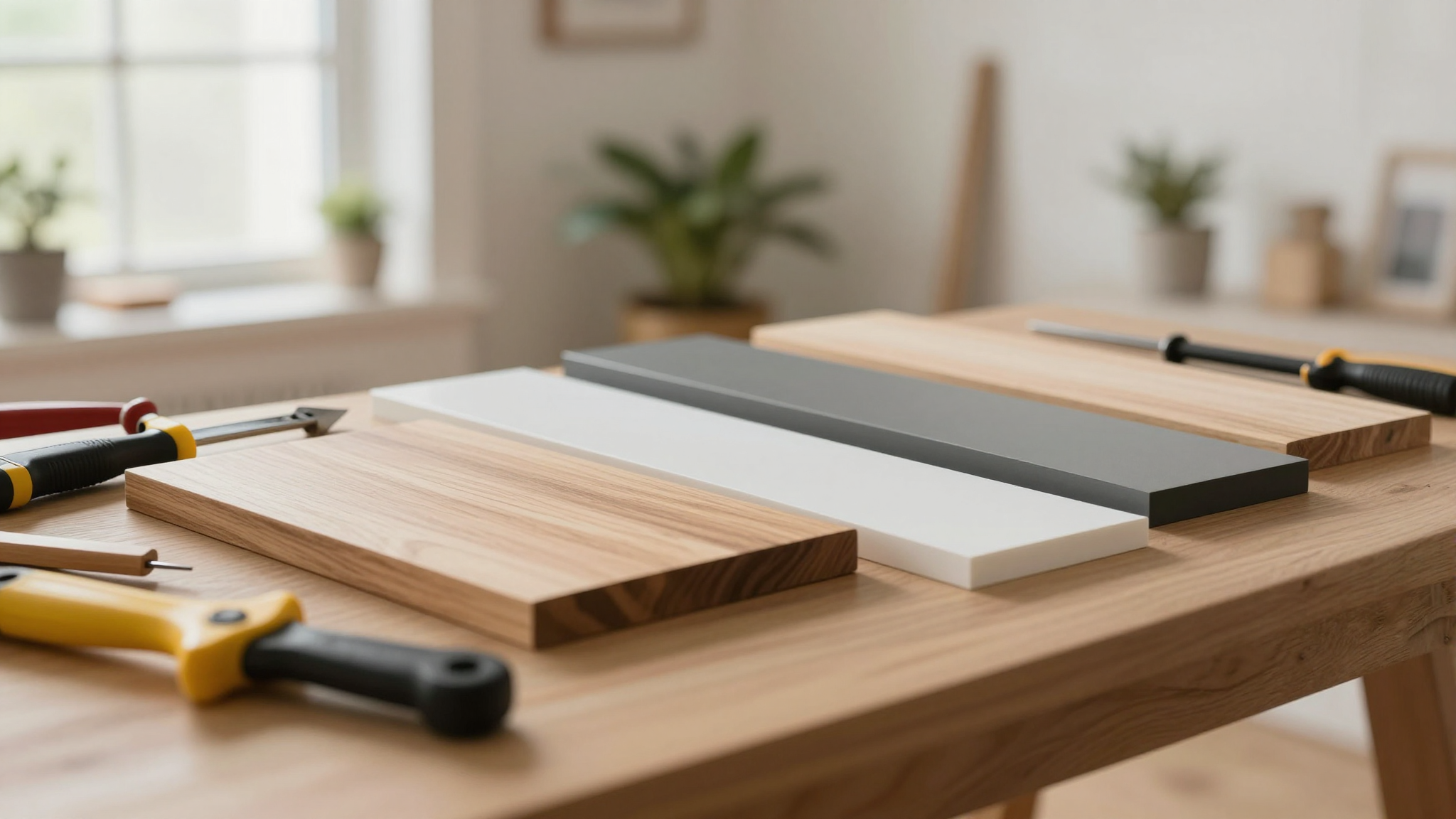
Wood is my absolute favorite. It’s warm, durable, and easy to customize. I’ve used:
- Oak: Super sturdy and great for a classic look. I used it for Jake’s sign, and it’s held up for years,even after he tried to “decorate” it with a Sharpie.
- Pine: Budget-friendly and easy to paint. Mia’s sign started as a plain pine board, but after a coat of chalk paint and some gold leaf, it looked like a million bucks.
- Maple: Smooth and modern. Perfect if you’re going for a minimalist vibe. (Though, let’s be real,minimalist isn’t really a thing in a kid’s room.)
But wood isn’t your only option. If you want something sleek, try acrylic. It’s lightweight and comes in tons of colors, but it’s not as durable as wood. (I learned this the hard way when my cat knocked over my son’s acrylic sign,cracked it right down the middle. Oops.)
For a rustic touch, metal signs are great. I’ve used them in my fireplace makeover project, and they add a cool industrial feel. Just be careful with sharp edges,kids have a habit of running into things.
No matter what you choose, make sure it fits the room’s style. A chunky wooden sign might overwhelm a tiny bedroom, while a delicate acrylic one could get lost in a bold space. And always, always measure twice before cutting.
Step-by-Step: How to Make a Name Sign Your Kid Will Love
Alright, let’s get to the good stuff. Here’s how I make a name sign from start to finish,with all the lessons I’ve learned along the way.
Step 1: Pick a Design That Fits Their Personality
This is where the fun begins. Do they love bold, playful fonts? Or are they more into clean, modern lines? For Mia, I went with a whimsical script font because she’s all about the fairy tales. Jake, on the other hand, got a blocky, sporty font to match his soccer obsession.
Pro tip: Test the font size first. I once made the mistake of assuming a font would look big enough,only to realize it was too small once it was on the wood. Use a free online font sizer to mock it up before cutting.
Step 2: Prep Your Base Material
If you’re using wood, sand it down until it’s smooth. (Trust me, you don’t want splinters.) Then, wipe it clean with a damp cloth. For painted signs, I like to use Rust-Oleum Chalked Paint,it covers imperfections and dries fast.
If you’re going for a natural wood look, consider staining it. I used Minwax Polycrylic on Jake’s sign to give it a warm, protective finish. Just make sure it’s fully dry before adding vinyl.
Step 3: Cut the Vinyl
This is where my Cricut comes in handy. If you’re cutting by hand, go slow,vinyl is forgiving, but rushing leads to mistakes. (I still have a scar on my finger from a particularly aggressive craft knife.)
Once your letters are cut, weed out the excess vinyl. This means carefully removing the background material around your letters. It’s tedious, but it’s worth it for a clean look. I like to use a lightweight transfer tape to pick up the letters and position them on the sign.
Step 4: Apply the Vinyl
Here’s where things can get tricky. Peel the backing off the transfer tape and position your letters on the sign. Use a level to make sure everything is straight. (I’ve had to redo this step more times than I’d like to admit.)
Once you’re happy with the placement, press down firmly with a credit card or a squeegee. This helps remove air bubbles and ensures the vinyl sticks. If bubbles pop up, use a hair dryer on low heat to soften the vinyl and smooth them out.
Step 5: Add the Finishing Touches
This is where you can get creative. Want to add some glitter? Go for it. Prefer LED lights for a soft glow? I did that for Mia’s sign, and she loves it. (Just make sure the batteries are easy to replace,trust me on this.)
You can also add stickers, paint splatters, or even a small illustration of their favorite thing. Jake’s sign has a tiny soccer ball in the corner, and Mia’s has a little crown. These personal touches make the sign feel even more special.
Design Ideas: Fonts, Colors, and Themes
Let’s talk about the fun part,making it look amazing. Here are some ideas to get you started:
Font Styles
- Playful and bold: Great for kids who love bright colors and fun shapes. Think bubble letters or handwritten-style fonts.
- Modern and minimalist: Clean lines and simple shapes work well for a sleek, contemporary look. (Though, as I mentioned, minimalist isn’t always practical in a kid’s room.)
- Classic and timeless: Serif fonts or elegant scripts give a vintage feel. I used this for my daughter’s sign, and it’s held up beautifully over the years.
Color Schemes
This is where you can really have fun. Match the colors to their room’s décor, or let them pick their favorites. Pastels are always a hit, but don’t be afraid of bold colors. Jake’s sign is bright blue and red,his school colors,and he loves it.
If you’re using paint, I recommend Behr Premium Plus. It’s durable, dries fast, and comes in a million colors. For vinyl, stick to colors that contrast well with your base. Dark vinyl on a light background (or vice versa) always looks sharp.
Themes and Extras
Want to take it a step further? Add a theme! Here are a few ideas:
- Space theme: Stars, planets, and rocket ships. (I used Mod Podge to glue on tiny star stickers for Mia’s sign.)
- Sports theme: Baseballs, soccer balls, or their favorite team’s colors. Jake’s sign has a tiny soccer ball cut out of vinyl.
- Nature theme: Leaves, animals, or mountains. I did this for my nephew’s sign, and it turned out adorable.
If you’re feeling extra creative, consider adding a chalkboard section where they can write messages or update their name as they grow. (I used peel-and-stick chalkboard paper for this,super easy and mess-free.)
Pro Tips for a Flawless Finish
I’ve made enough name signs to know what works,and what doesn’t. Here are my top tips for a professional-looking result:
1. Use a Level (Seriously, It’s a Game-Changer)
I can’t stress this enough. Nothing ruins a sign faster than crooked letters. I keep a small magnetic level in my craft drawer, and I use it every time. If you don’t have one, your phone’s level app works in a pinch.
2. Smooth Out Bubbles Before They Dry
Air bubbles are the enemy. If you see one, use a credit card or your fingernail to gently press it out. For stubborn bubbles, a hair dryer on low heat works wonders. Just don’t hold it too close,you don’t want to melt the vinyl!
3. Let the Vinyl Cure Before Handling
This is a lesson I learned the hard way. If you touch the vinyl too soon, it can shift or peel. I like to let it sit overnight before handling it. If you’re in a hurry, at least wait a few hours.
4. Seal It for Longevity
To make your sign last, seal it with a clear Mod Podge or polyurethane. This protects it from scratches, moisture, and general wear and tear. (Kids are hard on everything, including décor.)
Installation: Where and How to Hang It
Now for the fun part,putting it up! Where you hang the sign makes a big difference in how it’s displayed. Here’s what I’ve learned:
Best Spots for a Name Sign
- Above the bed: A classic spot. I hung Mia’s sign here, and she loves waking up to it every morning.
- On the door: Great for a bold statement. Jake’s sign is on his bedroom door, and he insists on opening and closing it “just right” so he can see his name.
- Above a desk or shelf: Perfect if they have a small workspace. I did this for my nephew’s sign, and it looks great with his books and toys.
- On a wall as part of a gallery: If you’re into gallery walls, a name sign can be the centerpiece. I combined Jake’s sign with some of his artwork, and it looks amazing.
How to Hang It (Without Damaging the Wall)
This depends on your wall type. Here’s what I do:
- Wood or plaster: Use screws or nails. For a cleaner look, I like 3M Command Strips. They’re removable and won’t damage the wall.
- Drywall: Be careful! Use drywall anchors if you’re screwing in, or stick to Command Strips. I’ve had to patch more than one hole from overzealous hanging.
- Metal or tile: Use magnetic hooks or adhesive strips designed for these surfaces. I used this for a sign in my stair makeover project, and it held up great.
Pro tip: If you’re hanging it on a shared wall (like between their room and the hallway), use a stud finder to locate the studs. It’ll give you a more secure hang.
Maintenance: Keeping It Looking New
Once your sign is up, you’ll want to keep it looking its best. Here’s how I do it:
Cleaning
Dust is the enemy. I wipe down the signs every few weeks with a microfiber cloth. For deeper cleaning, a damp cloth with a little Mr. Clean works great. Just avoid soaking the wood,it can warp over time.
Protecting It from the Elements
If your kid’s room gets a lot of sunlight, consider adding a UV-resistant coating. I used Minwax Helmsman Spar Urethane on Jake’s sign, and it’s held up beautifully. It’s also a good idea to keep signs away from heating vents or radiators,heat can cause the wood to warp.
Fixing Scratches and Dents
Kids happen. If their sign gets scratched, don’t panic. For wood, I use Minwax Wood Filler to patch small dents. For vinyl, a little transfer tape can lift and reapply a lifted corner.
Troubleshooting Common Issues
Even the best-laid plans can go wrong. Here’s how to fix the most common problems:
1. Crooked Letters
If your letters aren’t straight, don’t panic. If the vinyl is still fresh, peel it off and reposition it. If it’s already dry, you can carefully lift the edges with a credit card and adjust. (This works best with matte vinyl,glossy vinyl is trickier.)
2. Air Bubbles
Use a hair dryer on low heat to soften the vinyl, then press out the bubble with your finger or a credit card. If that doesn’t work, you may need to lift the vinyl and reapply it.
3. Vinyl Peeling
This usually happens if the surface wasn’t clean or if the vinyl wasn’t pressed down firmly. Gently peel off the vinyl, clean the surface with rubbing alcohol, let it dry, and reapply the vinyl.
4. Paint Chipping
If you painted the base and the paint is chipping, sand the area lightly and touch it up with the same paint. I keep a small paint sample in my craft drawer for just this reason.
Final Thoughts (And a Challenge for You!)
Making a personalized name sign is one of those projects that’s simple but meaningful. It’s not about perfection,it’s about creating something that makes your kid’s room feel like *theirs*. And trust me, the pride on their face when they see it for the first time? Priceless.
So, here’s your challenge: Grab a piece of wood, some vinyl, and let your creativity run wild. Whether you go bold and bright or simple and elegant, your kid will love it. And who knows? You might just start a new tradition,one sign per kid, growing with them as they do.
Now, go make something amazing. And if you get stuck, remember: I’ve been there, and it’s okay to laugh at the mistakes. (Just ask Jake about my first attempt.)
Happy crafting! And if you loved this project, check out my 5 DIY projects to instantly add charm to your home for more ideas to personalize your space.