How I Fixed My Squeaky Door Hinges in 5 Minutes (Without Replacing Anything)
Let me tell you about the time I almost replaced a perfectly good interior door because of a squeak. I was halfway to the hardware store when I remembered my husband saying, “Christina, you’re overcomplicating this again.” Turns out, all it needed was a $2 dowel and some wood glue. Now I fix squeaky hinges before breakfast – here’s how you can too.
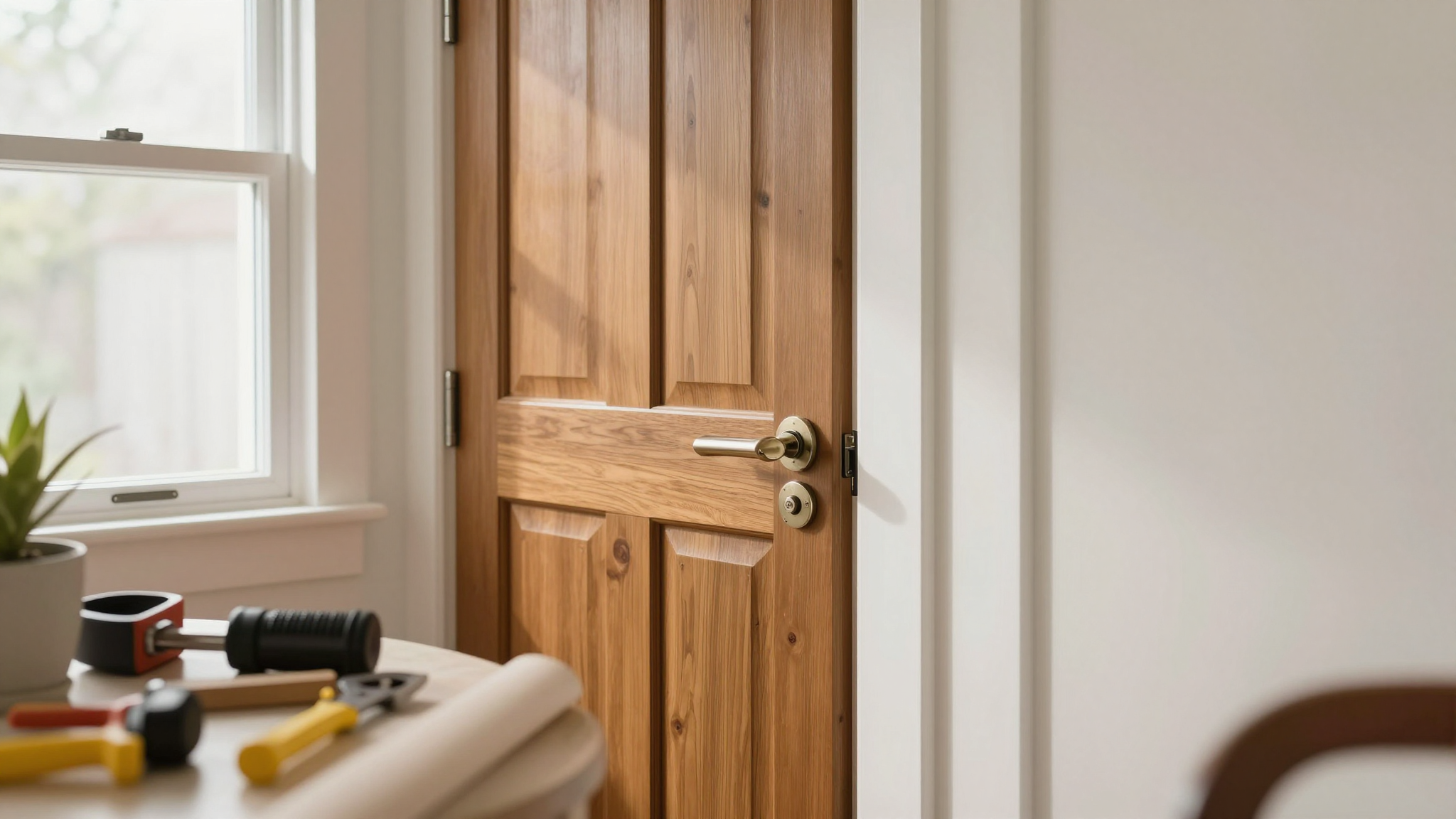
Most squeaky or wobbly doors aren’t actually broken. They’re just begging for a little attention. The culprit is almost always loose screws or stripped screw holes in the door frame. After years of opening and closing, the wood wears down around the screws until they don’t grip anymore. I learned this the hard way when I stripped three holes trying to fix our guest room door with the wrong screws.
Before you consider replacing your door (or your sanity), try these fixes. I’ll walk you through the quick diagnosis, the permanent solution, and a couple of emergency fixes for when you’re in a hurry. Pro tip: Always check both hinges – I once spent 20 minutes fixing one side only to realize the other was the real problem.
Why Your Door Hinges Are Squeaking or Feeling Loose
Every door in our 1920s home has its own personality, but the squeaky ones all share the same issues. The main culprits are:
- Loose screws – After years of use, the wood around screw holes wears down, creating gaps that let the screws spin freely
- Stripped screw holes – When screws are overtightened or driven at an angle, they strip the wood fibers, making the holes too big
- Dry hinges – Metal-on-metal contact creates that classic squeak we all know too well
- Seasonal wood movement – Our old house expands and contracts with humidity changes, putting stress on the hardware
I made all these mistakes when I first started DIY projects. The worst was when I stripped three holes trying to fix our laundry room door. I had to call my dad for help – he showed me how to use dowels and wood glue to fix it properly. Now I keep a small kit in my toolbox for emergencies.
How I Diagnose the Problem in 60 Seconds
Before grabbing tools, I do a quick check:
- Open and close the door while listening for the squeak – is it coming from the hinges or somewhere else?
- Gently wiggle the door handle – if there’s play, the screws are likely loose
- Check the strike plate – if it’s not aligned, the door might be sagging
- Look for gaps between the hinge plates and frame – this is a sure sign of stripped holes
Pro tip: I keep a small can of WD-40 Specialist Dry PTFE Lubricant in my toolbox. A quick spray on the hinges can temporarily quiet squeaks while I gather the right tools for a permanent fix.
Tools and Materials You’ll Actually Need
You don’t need a fancy workshop for this. Here’s what I keep in my “door rescue kit”:
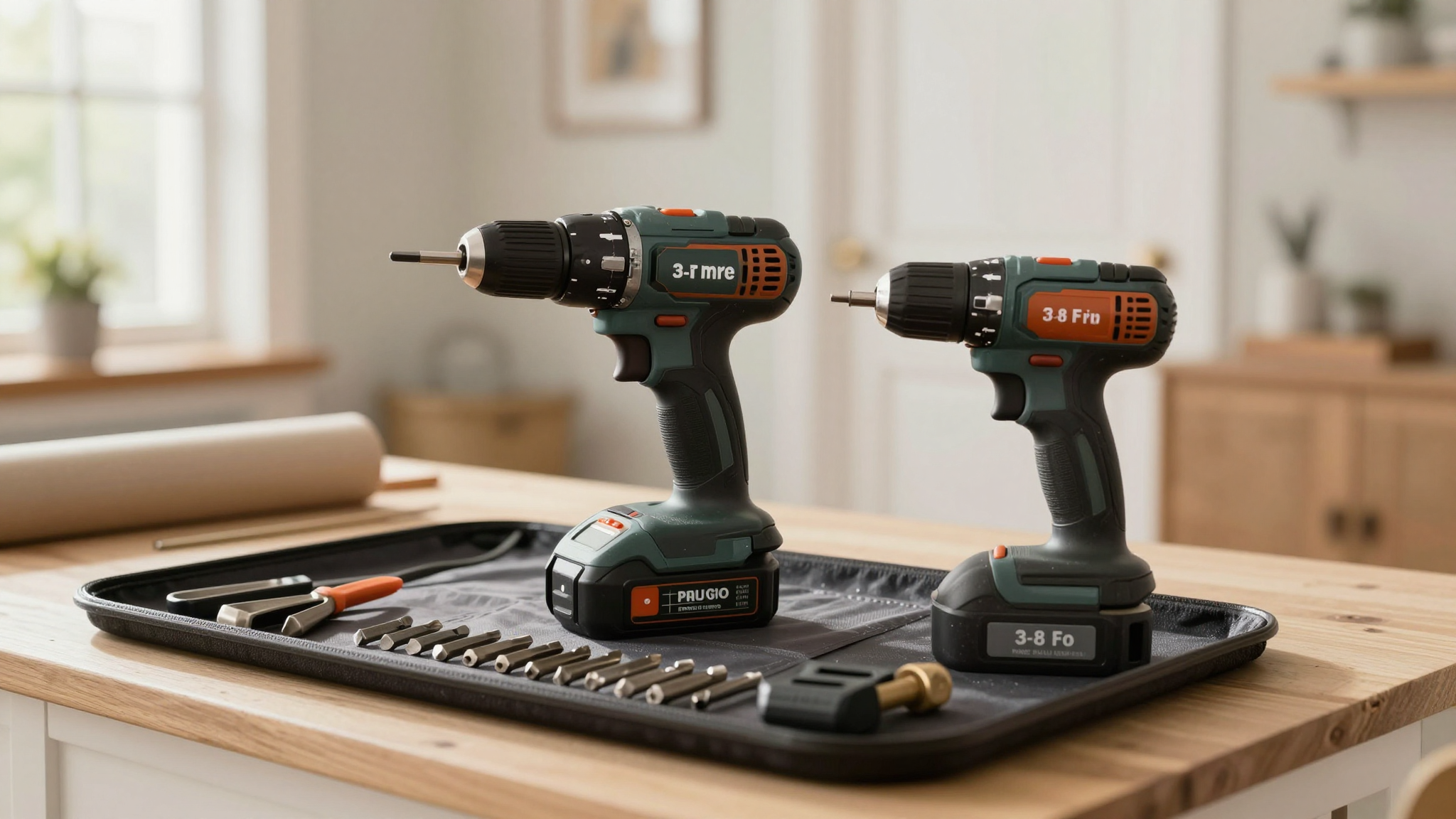
- A cordless drill with a good set of drill bits (I recommend a 3/8″ Forstner bit for most dowel repairs)
- Wooden dowels (I use 3/8″ poplar dowels from the hardware store)
- Titebond III wood glue (it’s waterproof and holds like crazy)
- A handsaw or coping saw for cutting dowels to size
- 80-grit sandpaper (for smoothing dowels and cleaning up glue)
- A small shop brush (for applying glue evenly)
- Screwdriver or drill with screwdriver bit
- Rag for cleanup
I learned the hard way to buy dowels that are slightly larger than your drill bit. When I first tried this repair, I used dowels that were too small and the fix didn’t hold. Now I test-fit everything before gluing.
The Permanent Fix: Dowels and Wood Glue (My Go-To Method)
This is the method I use 90% of the time. It’s not the fastest, but it’s the most reliable and will keep your door quiet for years.
Step 1: Remove the Door (Or At Least the Hinge)
First, I remove the door from its hinges. This gives me full access to work on both sides. If the door is too heavy to remove (like our solid oak front door), I at least take off the hinge pins so I can work with the door slightly open.
Pro tip: I keep a small magnetic parts tray nearby to catch all the screws and pins. Nothing’s worse than dropping a tiny hinge pin and watching it disappear into the carpet!
Step 2: Drill Out the Stripped Holes
Using a drill bit that matches your dowel size (usually 3/8″ for standard hinges), I carefully drill out the stripped holes. I go slow and steady – no need to rush. I learned this after stripping a hole even worse when I drilled too fast.
Clean out all the debris with a shop brush. Any dust or wood fibers left behind will prevent the glue from bonding properly.
Step 3: Cut and Dry-Fit the Dowels
I cut the dowels to about 1-1.5 inches long – just enough to fill the hole plus a little extra. Then I dry-fit them to make sure they’re snug but not too tight. If they’re too loose, I’ll use a slightly larger dowel or add some wood filler.
I made this mistake once with our kitchen cabinet hinges. The dowels were too loose and the repair failed within a week. Now I always test-fit before gluing.
Step 4: Glue and Insert the Dowels
Here’s where the magic happens. I apply a thin layer of Titebond III to the inside of the hole and coat the dowel evenly. Then I tap the dowel in with a hammer until it’s slightly below the surface.
I wipe away any excess glue with a damp rag. This step is crucial – excess glue can squirt out and make a mess on your door frame. Trust me, I’ve had to clean up more than one glue disaster!
Step 5: Let It Cure (The Hardest Part!)
This is where my patience is tested. The glue needs 24 hours to fully cure, but I can usually wait at least 1-2 hours before rehanging the door lightly. I’ve learned to plan these repairs for weekends when I don’t need to use the door constantly.
Step 6: Reattach the Hinge
After the glue has cured, I mark the new screw locations carefully. Then I drill small pilot holes (just slightly smaller than the screw shank) to guide the screws in straight.
I attach the hinge by hand first, then use my drill on low speed to tighten the screws. The key is to stop as soon as the hinge plate is flush against the door frame – no need to overtighten!
Quick Fixes for When You’re in a Hurry
Sometimes you don’t have 24 hours to wait for glue to cure. Here are the quick fixes I’ve used in a pinch:

1. Toothpick and Glue Trick (My Emergency Fix)
This is what I used when our guest room door started squeaking right before company arrived. I packed the stripped holes with toothpicks coated in wood glue, let it dry for 30 minutes, then reattached the hinge. It’s not perfect, but it bought me time until I could do a proper repair.
2. Longer or Larger Screws
If you have slightly larger screws on hand, they might grip better in the existing holes. I’ve done this with our pantry door – the original screws were too short and kept stripping the holes. I replaced them with #10 screws that were 1.5 inches long instead of 1 inch.
Warning: Don’t go too big or you might split the wood. I learned this when I tried to fix our back door with screws that were too large – ended up with a bigger problem!
3. Screw Repair Kits
These little kits with plastic inserts are great for cabinet doors or light-duty hinges. I keep a few in my toolbox for quick repairs. They’re not as strong as dowels and glue for heavy doors, but they work in a pinch.
4. Last-Resort DIY Fillers
For temporary fixes, I’ve used:
- Epoxy putty (like JB Weld)
- Wood filler
- Even a well-placed matchstick with glue
These won’t last forever, but they can buy you time until you can do a proper repair. I used epoxy putty on our basement door hinge when it stripped during a snowstorm – it held long enough for me to do the dowel repair the next day.
How to Choose the Right Dowel and Glue
Not all dowels and glues are created equal. Here’s what I’ve learned through trial and error:
Dowels: Size Matters!
Your dowel should fit snugly in the drilled hole. If it’s too loose, the repair won’t hold. If it’s too tight, you’ll split the wood. I’ve ruined more than one repair by not testing the fit first.
Pro tip: I keep dowels in three sizes (1/4″, 5/16″, and 3/8″) in my workshop. That covers 90% of the repairs I need to do.
Glue: Quality Makes a Difference
I used to buy the cheapest wood glue at the hardware store. Big mistake! It would dry too fast and not hold under pressure. Now I only use Titebond III – it’s waterproof and gives me plenty of working time.
Pilot Holes: The Secret to Success
Always drill pilot holes that are slightly smaller than your screw shank. This gives the screw threads something to bite into. I learned this the hard way when I stripped holes trying to attach our new farmhouse coffee table.
Preventing Future Squeaks and Loose Hinges
After fixing our doors, I wanted to make sure they stayed quiet. Here’s what I do now to prevent future problems:
1. Use Pilot Holes Every Time
I never skip pilot holes anymore. It takes two extra minutes but saves me from stripped screws later. I keep a set of pilot bits organized by size in my drill case.
2. Tighten Screws Properly
I tighten screws by hand first, then use my drill on low speed. The key is to stop as soon as the hinge plate is flush against the door frame. Overtightening was my downfall when I first started DIY projects.
3. Lubricate Hinges Regularly
I keep a can of WD-40 Specialist Dry PTFE Lubricant in my toolbox. A quick spray on the hinges every few months keeps them quiet. I do this as part of my seasonal home maintenance.
4. Upgrade Worn Hardware
If a hinge is really worn or the screws keep stripping, I replace the whole hinge. It’s not as scary as it sounds! I’ve upgraded several hinges in our house and it’s made a huge difference. I like using oil-rubbed bronze hinges for a nice finish.
Final Thoughts (And a Challenge for You!)
There you have it – my tried-and-true methods for fixing squeaky door hinges. The dowel and glue method is my go-to for permanent fixes, but the quick tricks have saved me more times than I can count.
Now I have a challenge for you: Grab that squeaky door in your house and try one of these fixes. I bet you can fix it in under 30 minutes. And if you’re anything like me, you’ll be so proud of yourself that you’ll want to tackle another project!
If you’re feeling inspired, check out my other door-related projects like how I added character to our hallway with a simple door makeover or my wainscoting project that transformed our living room.
Happy fixing! And remember, if you strip a hole, it’s not a failure – it’s just an opportunity to learn something new. That’s what DIY is all about!