I’ll never forget the day I found that hideous 1970s dresser at a garage sale for $10. The orange laminate was peeling, one drawer was missing, and my husband looked at me like I’d lost my mind when I dragged it home. But I knew,with the right paint and a little elbow grease,it could become the statement piece our living room needed. Three coats of Farrow & Ball “Skimming Stone” later, that eyesore became the most complimented item in our house. That’s the magic of hand-painted furniture: turning something forgotten into something extraordinary.
Since I started this DIY journey in 2011, I’ve learned that paint isn’t just about covering up flaws,it’s about transforming them. Whether you’re refreshing a thrifted find or giving a family heirloom new life, the right techniques make all the difference. And the best part? You don’t need a fancy art degree or expensive tools to get professional-looking results. Just a good primer, some patience, and a willingness to embrace the learning curve (because yes, I’ve definitely had my share of paint disasters).
What I love most about hand-painted furniture is how it lets you match your space exactly to your taste. No more settling for mass-produced pieces that don’t quite fit. Want a bold color that no store carries? Mix your own. Craving that shabby-chic look but can’t find the perfect vintage piece? Distress it yourself. The possibilities are endless,and in this post, I’ll walk you through exactly how to make it happen, from prep work to final sealant, with all the hard-won tips I’ve picked up along the way.
Getting Started: The Tools and Prep Work That Actually Matter
Let me save you some time: the difference between a project that looks like a million bucks and one that looks like a kindergartener’s art class often comes down to prep work. I learned this the hard way when I tried to paint our kitchen chairs without sanding first. The paint peeled off in sheets within a week. Lesson learned. Here’s what I wish I’d known from the start.

Choosing the Right Paint (And Why It’s Not as Simple as It Seems)
Not all paints play nice with every surface, and I’ve wasted more money than I’d like to admit figuring that out. For wood, I swear by milk paint,it’s forgiving, doesn’t require heavy sanding, and gives that beautiful vintage look. But for laminate? You need a bonding primer like Insl-X Stix Waterborne. I tried regular primer on our old TV stand, and the paint bubbled up like a bad science experiment. Don’t make my mistake,always test your combo on a hidden spot first.
Pro tip: If you’re working with metal (like those cute vintage tray tables), clean it with a vinegar-water mix first to prevent rust. And for heaven’s sake, stir your paint,don’t shake it. I shook a can of glossy paint once and ended up with bubbles everywhere. Sanding them out took forever.
Prepping Surfaces Like a Pro (Without the Perfectionism)
This is where most people skip steps,and where their projects fall apart. Here’s my no-fuss prep routine:
- Clean first. Wipe down your piece with a mix of dish soap and water to remove grease and grime. For wood, I use a tack cloth to grab any lingering dust. Laminate? Deglosser is your best friend,it roughs up the surface so paint actually sticks.
- Sand lightly. For wood, 220-grit sandpaper is my go-to. I don’t go crazy,just enough to smooth out rough spots. And yes, I do sand between coats. It’s tedious, but it makes the difference between a smooth finish and one that looks like it was painted with a cheese grater.
- Don’t skip the primer. I know, I know,it’s an extra step. But trust me, it’s worth it. A good primer (like Zinsser Bulls Eye 1-2-3 for tricky surfaces) saves you from having to repaint everything in a month.
Oh, and invest in a decent angled brush,the kind with a 2-inch width. I used a cheap one once and spent an hour trying to get crisp lines on our bookshelf. Now I splurge on Purdy brushes, and it makes a world of difference.
Painting Like a Pro: Techniques That Actually Work
Now for the fun part,where your vision comes to life. But before you dive in, let me share a few hard-earned lessons from my own trial-and-error sessions.

Picking Colors and Finishes That Won’t Make You Regret Your Life Choices
I’ll be honest: I’ve painted a few pieces only to realize the color looked completely different once it was dry. Here’s how I avoid that now:
- Test your colors. Buy sample pots and paint swatches on the actual piece (or at least on a similar surface). Lighting changes everything,what looks like a soft sage in the store might turn out to be a neon lime in your north-facing bedroom. I learned this the hard way with a dresser that ended up looking like a highlighter.
- Consider your finish. Matte is great for hiding imperfections (and gives that vintage look), but it’s not as durable. Satin is my go-to for high-traffic pieces like kitchen tables,it’s tough and easy to clean. Glossy finishes? Stunning for statement pieces, but they show every little imperfection, so save them for areas where you can keep things pristine.
- Think about the room. North-facing rooms need warm tones to feel cozy, while south-facing spaces can handle cooler colors. Our sunroom gets brutal afternoon light, so I stick to soft whites and pastels in there. And if you’re mixing old and new (like I did with our farmhouse coffee table), let the paint tie everything together.
One of my favorite projects was a thrifted laminate desk I turned into a workspace centerpiece. I used Farrow & Ball “Pigeon” (a warm, muted gray) with a satin topcoat, and it instantly elevated the whole room. The key? Thin, even layers. I let each coat dry completely (2 hours for wood, 4 for metal) and lightly sanded between them. No brush marks, no drips,just a smooth, professional finish.
Step-by-Step: How I Actually Paint (Without the Fluff)
Here’s my no-nonsense process for painting furniture:
- Prime first. Use a dense foam roller for flat surfaces (like tabletops) and a brush for edges. Don’t skimp,thin, even coats dry faster and look better.
- Sand lightly between coats. 220-grit sandpaper is your friend. Just go over the surface gently to smooth out any imperfections.
- Use the right tools for edges. An angled brush (like the Purdy XL I mentioned earlier) makes crisp lines a breeze. For really fussy details, I’ll sometimes use a small detail brush or even a toothpick for tiny areas.
- Thin coats > thick coats. It’s tempting to slather it on, but thick paint takes forever to dry and is more likely to drip. Two or three thin layers will give you a smoother, more durable finish.
- Seal it properly. For high-traffic pieces, I use a polycrylic like Minwax Fast-Drying Polyurethane. It’s water-based, so it’s easier to clean up, and it dries clear. For something extra durable (like a kitchen island), I’ll add a second coat.
Oh, and if you’re working with metal, let each coat dry for at least 4 hours. I learned that the hard way when I tried to rush a set of tray tables and ended up with smudges everywhere.
Fixing Mistakes (Because We’ve All Been There)
Even with the best prep, things can go wrong. Here’s how I fix the most common issues:
- Brush marks? Lightly sand the area with 220-grit, then apply a very thin topcoat. Work in small sections to keep wet edges smooth.
- Bubbles? Don’t shake the paint,stir it gently. If bubbles pop up, let the paint dry, then sand them out before adding another coat.
- Uneven texture? This usually means the surface wasn’t sanded enough. Lightly sand the whole piece with 220-grit, wipe away the dust, and add another thin coat.
- Peeling? This almost always means the surface wasn’t prepped properly. Scrape off the peeling paint, sand the area, and apply a bonding primer before repainting.
I once turned a thrifted dresser into a disaster zone by not sanding between coats. The final result looked like a kindergartener’s finger-painting project. But instead of tossing it, I sanded it all down, reapplied primer, and started over. Now it’s one of my favorite pieces,and a great reminder that mistakes can be fixed!
Inspiration: How to Use Hand-Painted Furniture to Refresh Your Space
One of the things I love most about hand-painted furniture is how it can completely transform a room. Take our living room, for example. We had this boring, beige bookshelf that just blended in with the wall. I painted it a deep navy blue with gold leaf accents, and suddenly it became the focal point of the room. People still comment on it years later.
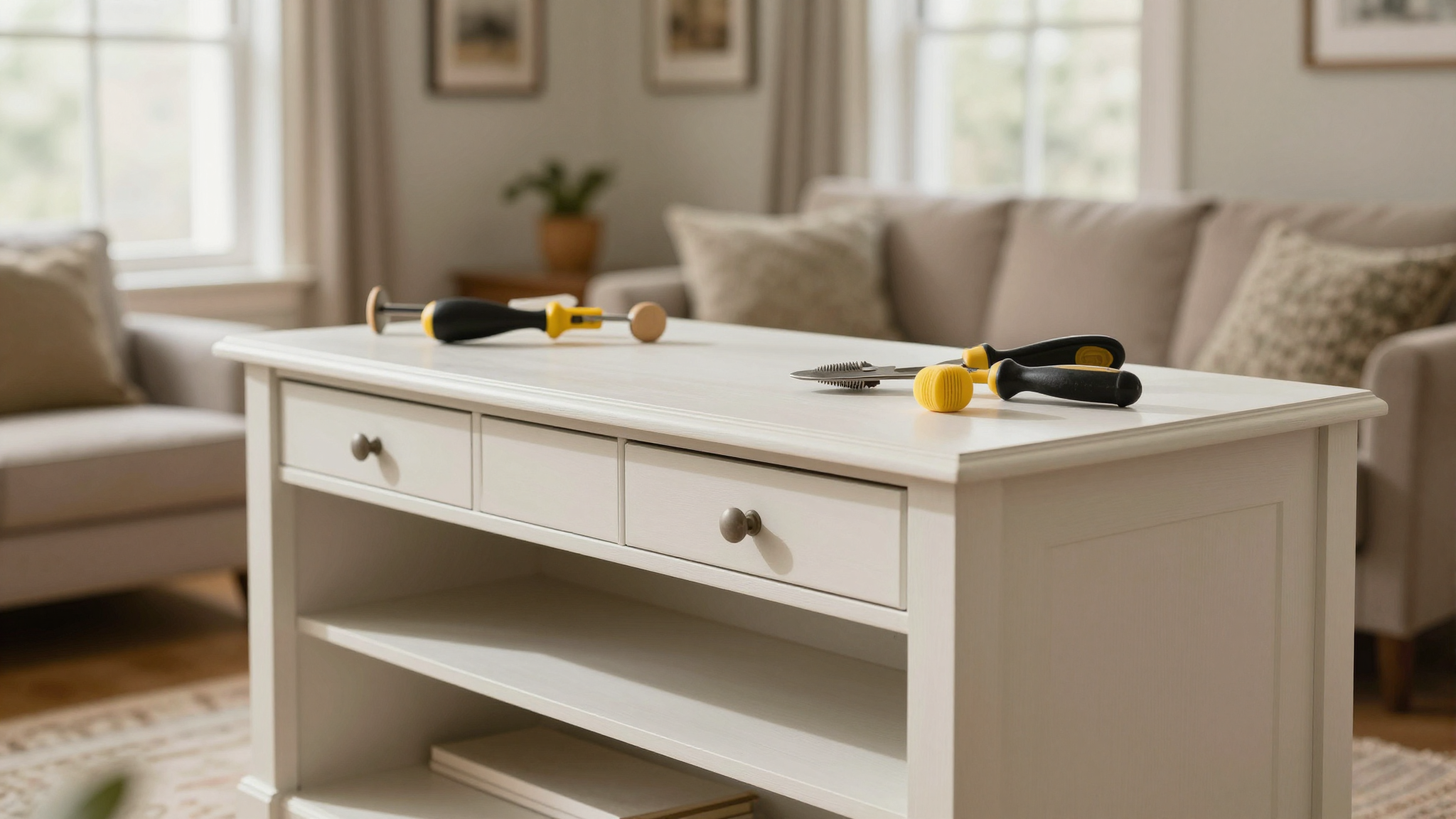
Here are a few of my favorite ways to use hand-painted furniture to refresh your space:
Creative Techniques to Make Your Pieces Stand Out
You don’t have to stick to solid colors,some of the most stunning pieces I’ve done use a little creativity. Here are a few ideas to try:
- Bold stripes. I painted vertical stripes on our kitchen cabinets using painter’s tape and a small angled brush. It’s a great way to add visual interest without a full makeover.
- Stenciled details. A simple stencil (like a geometric pattern or floral motif) can turn a plain chair or table into a showstopper. I used a stencil on our dining chairs, and it gave them a custom, high-end look.
- Ombré effects. Gradually blend two colors for a subtle, modern look. I did this on a bookshelf in our guest room, transitioning from a soft gray to a deeper charcoal.
- Metallic accents. A little gold or copper leaf on drawer pulls, legs, or edges can elevate a simple piece. I used metallic wax on the carvings of an antique hutch, and it gave it a whole new level of elegance.
One of my favorite projects was turning a 1950s dresser into a bathroom vanity. I used chalk paint to give it a distressed look, then sealed it with marine-grade varnish to handle the humidity. The best part? It cost a fraction of what a new vanity would have, and it’s completely unique to our home.
Mixing Vintage and Modern for a Cohesive Look
I love the way hand-painted furniture lets you blend different styles. Our home is a mix of vintage and modern, and painted pieces help tie it all together. Here are a few of my favorite combos:
- Mid-century shapes + bold colors. I painted our mid-century dresser in a bright teal, then added gold hardware. It’s a pop of color that works with our modern sofa and vintage rug.
- Farmhouse wood + glam accents. Our farmhouse-style coffee table got a makeover with a distressed whitewash and gold leaf on the legs. It’s the perfect mix of rustic and elegant.
- Scandinavian simplicity + boho textures. I painted a simple wooden bookshelf in a soft pastel, then added macramé wall hangings and woven baskets. It’s cozy and stylish without being overwhelming.
The key is to pick one element to tie everything together,whether it’s a color, a finish, or a decorative detail. For example, I used the same sage green on our painted hutch and our modern sofa to unify the space. It’s a small change that makes a big difference.
Don’t be afraid to mix textures, either. A glossy table base with matte chairs, or a rough-hewn wood piece with smooth painted legs,contrasts create visual interest and make your space feel more dynamic.
Your Next Project: Where to Start
If you’re new to hand-painted furniture, I’d recommend starting with something small and low-pressure,a tray, a stool, or a set of drawers. That way, you can practice your techniques without feeling like you’re committing to a big project. I started with a thrifted side table that I painted in my garage. It wasn’t perfect, but it gave me the confidence to tackle bigger pieces.
Here’s what I’d grab to get started:
- A bonding primer (like Insl-X Stix for laminate or Zinsser Bulls Eye for wood).
- A high-quality angled brush (Purdy XL is my favorite).
- A foam roller for smooth surfaces.
- 220-grit sandpaper and a tack cloth.
- A sealant like Minwax Polycrylic or a wax for a vintage look.
- Sample pots of your favorite colors (Farrow & Ball, Benjamin Moore, or Behr have great options).
And if you’re feeling overwhelmed, start with a simple project like painting a tray or a set of picture frames. It’s a great way to test colors and techniques without a big commitment.
What I love most about hand-painted furniture is that it’s personal. No two pieces will ever be the same, and every brushstroke tells a story. So grab a piece you’ve been eyeing, pick a color that makes you happy, and start painting. Your home,and your creativity,will thank you.
Now, tell me: What’s the first piece you’re going to transform? I’d love to hear your ideas in the comments!