
How I Made My First Wood Sign (And Why You Should Too)

Let me tell you about the time I tried to make a simple “Welcome” sign for our front porch,and ended up with a lopsided disaster that looked like a kindergartener’s art project. The wood was splintery, the paint bled, and the letters? Crooked enough to make my husband squint every time he walked past it. But here’s the thing: that sign now hangs in our mudroom, proudly displaying the words “Wipe Your Paws” in my 8-year-old’s handwriting. It’s not perfect, but it’s ours,and that’s what makes it special.
If you’ve ever wanted to add a personal touch to your home but felt intimidated by the idea of DIY decor, this guide is for you. I’ll walk you through exactly how I (finally) made a wood sign I’m proud of,no fancy tools required. We’re talking real wood, real mistakes, and real solutions. By the end, you’ll have a sign that looks like it belongs in a magazine (or at least doesn’t make your husband wince).
This project is perfect if you’re looking to:
- Add instant charm to your home without breaking the bank
- Create a meaningful gift for a friend or family member
- Learn a skill that’ll help you tackle bigger projects (like this coffee table I built last summer)
- Customize your space with something that actually means something to you
I’ll be honest,my first attempt was a hot mess. But the second? So much better. And the third? Well, that’s the one hanging in our living room now, and it’s one of my favorite things in the house. The key is starting small, embracing the learning curve, and not stressing over perfection. (Seriously, my “Wipe Your Paws” sign is proof.)
What You’ll Need: My Exact Shopping List
Before we dive in, let’s talk tools. I’ll be straight with you: I didn’t have most of these when I started, and I had to make do with what I had. But if you’re just beginning, here’s what I wish I’d had from the start:
| Item | Why It’s Worth It | My Personal Pick (No Affiliate Links, Just What I Use) |
|---|---|---|
| Cedar plank (1×6 or 1×8) | Cedar is naturally resistant to rot and bugs, which means your sign will last years,even if you leave it outside. Plus, it smells amazing. (I swear, our mudroom always smells like a forest.) | I buy mine from Home Depot,their pre-sanded cedar planks are perfect for beginners. |
| Jigsaw | If you’re cutting out shapes (like a house silhouette or a heart), a jigsaw is a game-changer. I used to try to do this with a handsaw, and let’s just say it was not pretty. | I love my DeWalt DCS334B. It’s not cheap, but it’s lasted me through so many projects. |
| Sandpaper (120-grit and 220-grit) | Sandpaper is non-negotiable. I learned this the hard way when I skipped sanding and ended up with a sign that looked like it had been dragged through a gravel pit. Trust me, sand. | I keep a pack of 3M Gold Sandpaper in my garage. It’s a little pricier, but it lasts forever. |
| Vinyl decals or stencils | If you’re anything like me, your handwriting looks like a doctor’s notes. Vinyl decals save the day. They’re easy to apply, and you can find anything online,from cursive quotes to farmhouse fonts. | I order mine from Sticker Mule. They’re high-quality, and the customer service is amazing. |
| Acrylic paint + brushes | You don’t need a fancy set. I started with basic craft paint from Michaels, but if you want something that’ll last, go for acrylic paint. | My go-to is Liquitex Basics. It’s affordable and dries smooth. |
| Clear sealant (polyurethane or Mod Podge) | This is what protects your sign from scratches, moisture, and general wear and tear. I skipped this on my first sign, and now it’s peeling like it’s been through a hurricane. | I use Minwax Polycrylic for a matte finish. It’s easy to apply and dries clear. |
| Tack cloth | This little thing is a lifesaver. It picks up all the dust and debris after sanding so your paint (or stain) goes on smooth. I used a paper towel once. Big mistake. | Grab one from the hardware store,it’s like $3 and worth every penny. |
Oh, and one more thing: a good playlist. I blasted Taylor Swift’s Folklore album the entire time I made my last sign. It made the process way more fun.
Step-by-Step: How I Actually Made My Sign (With All My Mistakes)
Alright, let’s get into it. I’m going to walk you through exactly how I made my most recent sign,a rustic farmhouse-style piece for our kitchen that says, “Good Food & Good Friends.” I’ll include all the things I did wrong the first time (so you don’t have to!).
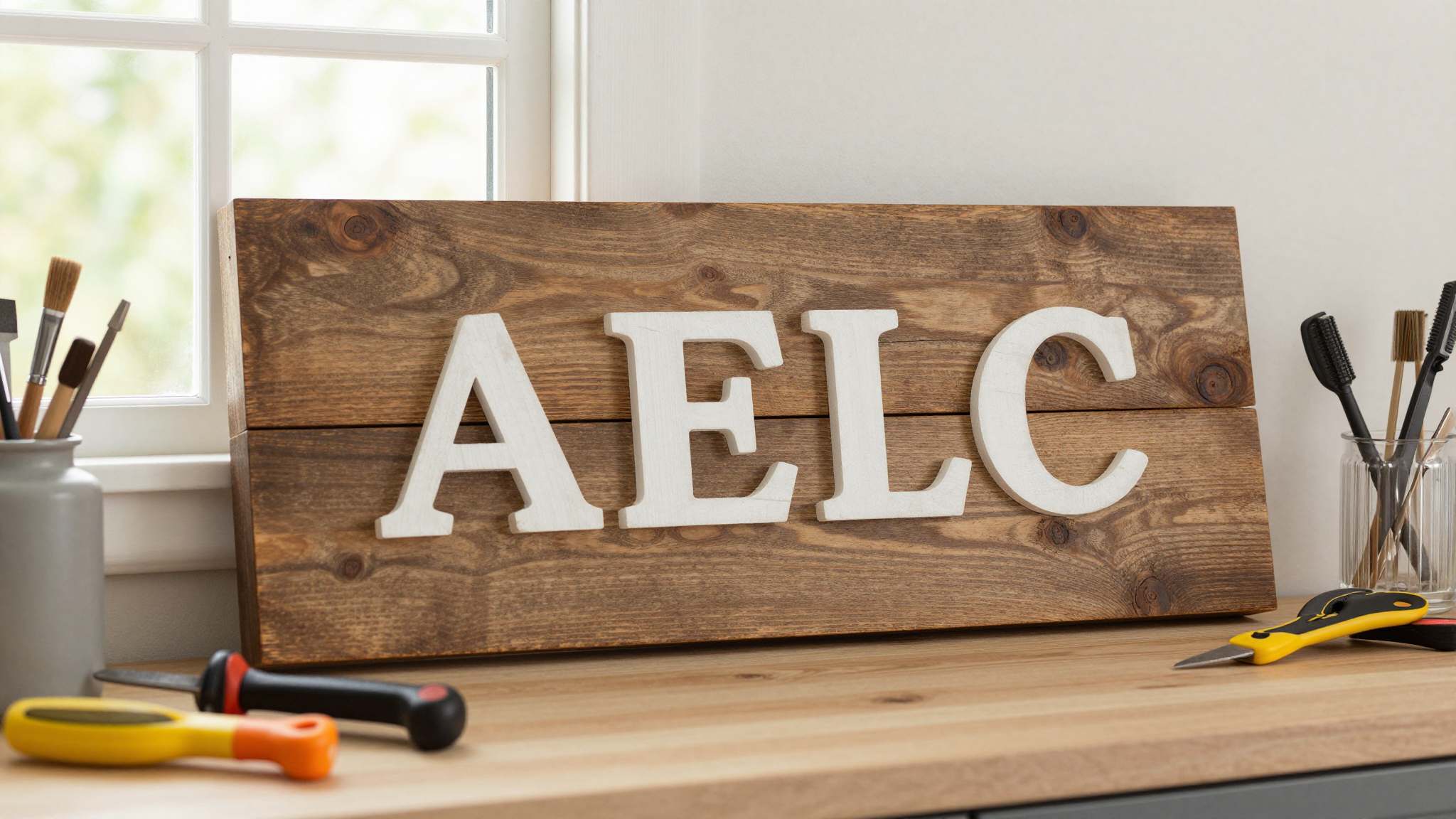
Step 1: Pick Your Wood and Prep It Like a Pro
First things first: pick your wood. I used cedar because it’s easy to find, smells amazing, and holds up well. But if you want something cheaper, pine works too,just know it might warp a little more over time.
Here’s what I did:
- Measured and marked my cedar plank. I wanted a sign that was about 12 inches wide and 18 inches tall,big enough to make a statement but not so huge it overwhelmed the space.
- Cut it with my jigsaw. (Pro tip: Go slow. I rushed it the first time and ended up with a jagged edge that took forever to sand smooth.)
- Sand, sand, sand. I started with 120-grit to take off any rough spots, then switched to 220-grit for a smooth finish. I also rounded the edges a little because sharp corners are just asking for splinters.
- Wiped it down with a tack cloth. This step is critical. I skipped it once, and my paint ended up looking like it had a bad case of the chickenpox.
Mistake I made: I didn’t seal the wood before painting. Big no-no. The paint absorbed unevenly, and some spots looked patchy. If you’re painting, always seal the wood first with a stain-blocking primer or a thin coat of paint as a base.
Step 2: Design Your Sign (Without Regretting It Later)
This is where I used to get stuck. I’d have all these big ideas,like a giant tree with birds and a sunrise,but then I’d realize I had zero artistic talent. So I learned to keep it simple.
Here’s how I designed my “Good Food & Good Friends” sign:
- Sketched a rough draft on paper first. I used a pencil and traced over the words a few times to make sure I liked the spacing. (I also practiced writing “Good Food” about 20 times because my handwriting is not consistent.)
- Decided on a font. I wanted something rustic but not too fancy, so I went with a simple block letter. If you’re not confident in your freehand skills, vinyl decals are your best friend.
- Transferred the design to the wood. I used graphite transfer paper,it’s cheap and works like a charm. Just place your sketch face-down on the wood, trace over it with a pencil, and voilà, your design appears.
Mistake I made: I didn’t test my design on the wood first. I just went straight to tracing, and the letters ended up too big. I had to sand it down and start over. Always do a mock-up first,even if it’s just on scrap wood.
If you’re using vinyl decals, this step is even easier. Just peel and stick! I used Sticker Mule for my last sign, and the letters came out crisp and clean.
Step 3: Paint, Stain, or Distress (Your Call)
This is where you can get creative. Do you want a bright, colorful sign? A natural wood look? Something distressed for that farmhouse vibe? Here’s what I did for my kitchen sign:
- I painted the background a soft white. I used Liquitex Basics in “Titanium White” because it’s opaque and dries fast. I applied two thin coats with a foam brush,thin coats dry smoother than one thick one.
- Once the paint was dry, I used a black Sharpie to trace over the graphite lines. (This makes the letters pop before I add the vinyl.)
- I applied the vinyl decals. I pressed them down with a credit card (yes, really,it works!) to get rid of any bubbles.
- Finally, I sealed the whole thing with Minwax Polycrylic. Two coats, light sanding between coats, and I was done.
If you want a distressed look (like I did for my “Wipe Your Paws” sign), here’s how:
- Paint your sign the base color and let it dry.
- Use a screwdriver or a rock to lightly scrape off some of the paint in random spots. (I went a little overboard the first time and ended up with more bare wood than I wanted. Start light and build up.)
- Rub a dark wax or stain into the scraped areas for contrast. I used Minwax Dark Walnut Stain and wiped most of it off with a rag so it looked natural.
- Seal it with polyurethane to protect the finish.
Mistake I made: I didn’t let the paint dry long enough between coats. It smeared, and I had to sand it all down and start over. Patience is key,let each coat dry completely before adding another.
Step 4: Add the Finishing Touches (Because Details Matter)
This is where your sign goes from “meh” to “wow.” Here’s what I did to elevate mine:
- I added a hanging mechanism. I used two small brass cup hooks screwed into the back of the sign. If you want something more rustic, you can use leather straps or twine.
- I sealed the edges with beeswax for extra protection. This is especially important if your sign will be in a high-traffic area (like our mudroom).
- I added a personal touch. On the back of my kitchen sign, I wrote the date we moved into our house and signed it. It’s a little hidden detail that makes it extra special.
Mistake I made: I didn’t pre-drill holes for the screws. The wood splintered, and it took forever to fix. Always pre-drill,even if you’re using small screws.
Design Ideas: How to Make Your Sign Truly Yours
One of the best things about making your own wood sign is that you can customize it to fit your style perfectly. Here are a few ideas to get you inspired,plus some of my personal favorites.
Rustic Farmhouse (My Personal Favorite)
If you love the cozy, lived-in look of farmhouse decor, this style is for you. Think distressed wood, neutral colors, and handwritten fonts.
Here’s how I did it for my “Wipe Your Paws” sign:
- Used a reclaimed wood plank I found at a flea market. (It had knots and imperfections, which I loved.)
- Painted it a soft chalky white, then distressed it with a screwdriver.
- Used a black Sharpie to write the words in a casual, handwritten font. (I practiced on paper first,so important!)
- Sealed it with Minwax Clear Polyurethane to protect the finish.
For extra charm, I added a burlap ribbon through the top for hanging. It’s a simple touch, but it ties the whole look together.
If you want to try this style, check out my post on how I gave our fireplace a farmhouse makeover,same vibes, different project!
Modern Minimalist (For the Clean and Simple Lovers)
If your style is more sleek and contemporary, go for clean lines, bold typography, and a neutral color palette.
Here’s how I’d do it:
- Use a smooth, light-colored wood like maple or birch.
- Paint the background a soft gray or black for contrast.
- Use vinyl decals in a bold, modern font. I love the look of Sticker Mule’s sans-serif fonts.
- Seal with a glossy polyurethane for a high-shine finish.
For hanging, I’d use thin metal wires or leather straps to keep it looking clean and modern.
If you love this look, you might also enjoy my post on how to create a modern accent wall,same vibes, different project!
Bohemian (For the Free Spirits)
If your style is more eclectic and colorful, go for a boho-inspired sign with lots of texture and pattern.
Here’s how I’d do it:
- Use a natural wood plank with visible knots and grain. (No need to sand it perfectly smooth,embrace the imperfections!)
- Paint the background in soft, earthy tones like sage green or terracotta.
- Add hand-painted florals or geometric patterns. I’d use a fine-tip paint pen for details.
- Seal with a matte polyurethane to keep it looking natural.
- Hang it with a macramé knot or a woven leather strap for that boho touch.
For extra flair, I’d add a layer of gold leaf to the edges or mix in some DIY wall art nearby to tie the whole room together.
Personalized (For the Sentimental Folks)
This is my absolute favorite type of sign because it’s all about making something meaningful. Whether it’s a gift for a friend, a keepsake for your family, or just something to remind you of a special moment, personalized signs are the best.
Here are a few ideas:
- Family names or dates. I made a sign for my parents’ anniversary with their wedding date and a little heart. Simple, but they love it.
- Kids’ handprints or names. My daughter’s name in her own handwriting hangs in her bedroom. (I traced it from a piece of paper she wrote on,so sweet.)
- Pet silhouettes. I once made a sign for a friend with the silhouette of her dog and the words “Best Boy.” She cried. (In a good way.)
- Travel memories. I’ve seen signs with coordinates of favorite places or quotes from trips. Super meaningful!
If you’re personalizing a sign, I highly recommend using vinyl decals for the text. That way, you can practice the layout on paper first and make sure everything fits perfectly.
FAQ: Your Burning Questions, Answered
I get a lot of questions about wood signs, so I’m going to answer the most common ones here. (And if I don’t know the answer, I’ll tell you,I’m not here to pretend I’m an expert!)
What’s the easiest wood to work with for beginners?
If you’re just starting out, I highly recommend cedar. It’s soft, easy to cut, and naturally resistant to rot and bugs. Plus, it smells amazing,like a forest in your home!
Other good options for beginners:
- Pine: Cheap and easy to find, but it can warp if it’s not sealed properly.
- Plywood: Smooth and stable, but it doesn’t have the same rustic charm as solid wood.
- Poplar: A great middle ground,it’s smooth, stable, and takes paint well.
If you want something really easy, grab a pre-cut cedar plank from Home Depot. They’re sanded and ready to go,no extra prep needed!
How do I make sure my letters are straight?
Oh boy, do I have opinions on this one. My first sign had letters that looked like they were written by a toddler on a trampoline. Here’s how I fixed it:
- Use a pencil first. Sketch your letters lightly with a pencil before committing to paint or vinyl. You can erase mistakes!
- Use painter’s tape for guidelines. I like to tape off a straight line as a baseline for my letters. It’s a lifesaver.
- Print and trace. If you’re really struggling, print out your design, tape it to the wood, and trace over it with a pencil. (I did this for my daughter’s name sign, and it turned out perfect.)
- Use vinyl decals. If freehand isn’t your thing, vinyl is your best friend. Just peel and stick,no mess, no stress.
Pro tip: If you’re using a stencil, spray the back with adhesive spray first. It’ll help it stick better and reduce bleeding.
How do I keep my sign from warping?
This is a big one, especially if you’re using pine or another soft wood. Here’s what I do to keep my signs flat and happy:
- Acclimate your wood. Before you start cutting, let your wood sit in your workspace for at least 24 hours. This helps it adjust to the humidity and temperature.
- Seal both sides. If you’re only sealing the front, moisture can get trapped on the back and cause warping. Seal both sides with polyurethane or wax.
- Avoid thin wood. If you’re using a plank that’s less than ½ inch thick, it’s more likely to warp. Stick to thicker wood for better stability.
- Store it flat. If you’re not using your sign right away, store it flat in a dry place. Don’t lean it against a wall,it’ll warp over time.
Mistake I made: I once used a super thin piece of pine for a sign, and it warped so badly I had to start over. Now I always check the thickness before I buy!
Can I use this sign outdoors?
Yes! But you’ll need to take a few extra steps to protect it from the elements. Here’s what I do for my outdoor signs:
- Use cedar or redwood. These woods are naturally resistant to rot and bugs.
- Seal it with outdoor polyurethane. I use Minwax Helmsman Spar Urethane,it’s made for outdoor use and holds up great.
- Apply a waterproof sealant. If you want extra protection, add a coat of Varathane Outdoor Polyurethane.
- Avoid direct sunlight. If possible, hang your sign in a shaded spot. UV rays can fade the paint over time.
Mistake I made: I once used regular polyurethane on an outdoor sign, and it peeled after a few months. Always use outdoor-rated sealants if your sign will be outside!
How do I hang my sign without damaging the wall?
This is such a good question! I’ve ruined so many walls over the years trying to hang things. Here’s how I do it now:
- Use picture hanging strips. I love 3M Command Picture Hanging Strips. They’re strong, damage-free, and easy to remove.
- Pre-drill holes. If you’re screwing into the wall, use a stud finder first. I’ve learned the hard way that drywall alone isn’t always strong enough!
- Use a level. Nothing looks worse than a crooked sign. I keep a Staples level in my toolbox for this exact reason.
- Add a D-ring or sawtooth hanger. If you’re hanging a heavier sign, screw in a D-ring or sawtooth hanger to the back. It distributes the weight and makes hanging easier.
Pro tip: If you’re hanging on brick or stone, use masonry screws. Regular screws won’t cut it!
How do I fix a mistake?
Oh, honey, we’ve all been there. Here’s how I fix my most common sign-making disasters:
- Paint bleed? Sand it down and repaint. If it’s really bad, use a paint stripper to remove the old paint before starting over.
- Crooked letters? Cover them with vinyl decals or paint over them with a fresh coat. (I’ve done this more times than I’d like to admit.)
- Splintered edges? Sand them smooth with 220-grit sandpaper. If it’s really bad, you can also use a wood filler to even it out.
- Sealant bubbled? Sand it down lightly with 400-grit sandpaper, then apply a new coat.
Mistake I made: I once tried to fix a paint bleed by just painting over it. Big mistake. The new paint didn’t stick, and it looked terrible. Always sand first if you’re fixing a paint issue!
Ready to Get Started?
Alright, that’s everything I’ve learned from making (and fixing) wood signs over the years. If you’re feeling overwhelmed, start small. My first sign was a tiny “Hello” for my desk, and it gave me the confidence to tackle bigger projects.
And if you mess up? So did I. My “Wipe Your Paws” sign is still hanging in our mudroom, crooked letters and all, because it’s ours. That’s the whole point of DIY,it’s not about perfection. It’s about creating something that means something to you.
Now, grab your cedar plank, your paint, and your favorite playlist. And when you’re done, send me a picture,I’d love to see what you make!
Happy crafting,
Christina