Basement Finishing for Beginners: Where to Start (And What I Learned the Hard Way)
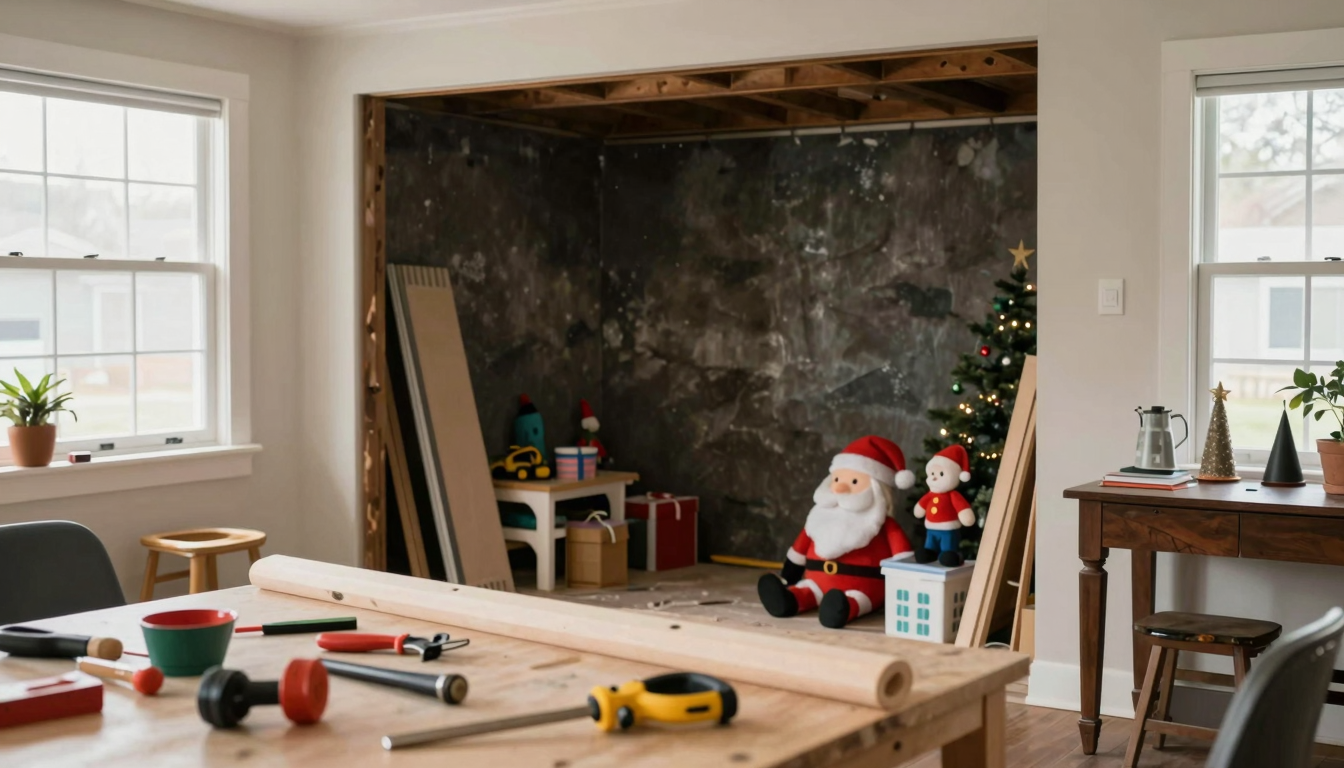
I used to walk down to my basement and see nothing but a dark, musty storage space filled with holiday decorations and my kids’ outgrown toys. Then one winter, after our family outgrew our main living areas, I realized this empty space could actually become something useful,maybe even a cozy family room or a home office where I could finally work without interruptions.
But let me be honest: when I first started researching basement finishing, the process felt completely overwhelming. I kept seeing terms like “egress windows” and “below-grade moisture mitigation” and thinking, “What have I gotten myself into?” Then I remembered how I felt when I first tried to build a farmhouse-style coffee table,terrified but determined. Turns out, basement finishing isn’t as scary as it seems once you break it down into manageable steps.
The best part? You don’t need to be a contractor to create a beautiful, functional space. I’ve learned that the key is proper planning, moisture control, and knowing when to call in professionals (yes, even I had to admit defeat on the plumbing parts). This guide shares exactly what I wish I’d known before starting my own basement project,including the mistakes that cost me time and money so you can avoid them.
Why Finishing Your Basement Is Worth the Effort
Our basement project took us from a dark, unused space to a bright family room where my kids now do homework and we host movie nights. But the real game-changer? The extra square footage made our whole house feel more spacious without us having to move. And when we sold our previous home, the finished basement was one of the first things our realtor highlighted to potential buyers.
Here’s what I’ve found makes basement finishing worth the investment:
- Instantly adds usable living space,without the cost and hassle of building an addition. Our 900-square-foot basement now functions like a second living level.
- Boosts your home’s value. While finished basements don’t always count toward official square footage, they make your property more attractive to buyers. Our realtor said it was a major selling point.
- Can be done on any budget. I started with the basics (framing, insulation, and flooring) and added nicer finishes (like a wet bar) later as we could afford them.
- Solves real family problems. Need a play area for kids? A home office? A guest suite? I’ve seen basements transformed into all of these,and more.
That said, I won’t sugarcoat it: this project took longer than expected (we thought 3 months, it took 6), and there were definitely moments I wanted to quit. But the end result? Totally worth it. If you’re considering this, just know that breaking it into smaller phases makes it much more manageable.
Basement Finishing Costs: What to Expect (Based on My Experience)
One of the first things that surprised me was how much costs could vary. Here’s what I actually spent on our mid-range basement (1,200 sq ft) compared to the estimates I found online:
| Project Scope | What I Spent (2026) | Key Features We Added |
|---|---|---|
| Basic Remodel | $8,500 – $14,000 | Framing, insulation, basic flooring (LVP), drywall, paint, and recessed lighting. We did most of this ourselves with help from my brother-in-law who’s a contractor. |
| Mid-Range Upgrade (What we did) | $18,000 – $25,000 | Added a bathroom (with help from a plumber), built-in shelving, a wet bar, and better lighting. The bathroom alone cost $6,000, which was more than I expected! |
| High-End Customization | $35,000+ | Full wet bar with granite, theater seating, custom millwork, and high-end finishes. I’ve seen basements with full saunas and home gyms in this range. |
My biggest cost-saving tip? Do as much of the prep work yourself as possible. I spent weeks watching YouTube tutorials on how to properly hang drywall (and still messed up the first sheet,don’t ask). But those hours saved us thousands compared to hiring it out. For the electrical and plumbing, though? Worth every penny to hire a pro.
Understanding Basement Finishing Basics (So You Don’t Feel Lost Like I Did)
When I first started, I felt like I was learning a whole new language. Terms like “egress windows” and “vapor barriers” made me want to throw in the towel. But once I understood the basics, everything clicked. Here’s what actually matters:
Key Terms You Need to Know (And What They Really Mean)
Egress windows: These aren’t just any windows,they’re legally required if you’re creating a bedroom downstairs. They must be large enough for an adult to escape through in an emergency (minimum 5.7 sq ft opening). I learned this the hard way when our initial window plans were rejected by the building inspector. We had to order a larger, more expensive window at the last minute.
Below grade: This just means part of your basement is underground. The lower the space, the more moisture you’ll likely deal with. Our basement had one wall that was completely underground, which required extra waterproofing.
Moisture mitigation: This is the #1 thing that will make or break your basement. I thought I could just “deal with dampness later,” but that led to mold issues that cost $1,200 to fix. Don’t skip this step!
Framing and insulation: This is where you build the “bones” of your rooms. I used my trusty DeWalt framing nailer for this part, which made the process 10x faster. The key is using the right materials for below-grade spaces,more on that below.
Pro tip: I made a huge mistake by not accounting for ceiling height early on. Our original plans had the ceiling too low, which made the space feel cramped. We had to adjust the framing, which added unexpected costs. Always check your local building codes for minimum ceiling heights (usually 7’6″ for habitable spaces).
Planning and Permits: The Paperwork No One Talks About
Here’s something no one tells you about basement projects: the paperwork is almost as important as the construction. I put off dealing with permits for weeks, thinking I could “figure it out later.” Big mistake. Here’s what I wish I’d known:
Getting Permits: What Actually Happens (And Why It Matters)
First, you’ll need to contact your local building department. In our county, this meant submitting detailed plans showing:
- Room layouts and dimensions
- Electrical wiring diagrams
- Plumbing additions (if any)
- Structural changes
I hired an architect to draw up our plans, which cost $1,200 but saved us headaches later. The building department then reviewed them and issued permits for each phase (electrical, plumbing, structural). This process took 3 weeks,something I didn’t account for in my timeline.
Why does this matter so much? Because working without permits can lead to:
- Fines (our neighbor got hit with a $2,500 fine for unpermitted electrical work)
- Being forced to tear out completed work (yes, this actually happens)
- Problems when selling your home (buyers’ inspectors will catch it)
Schedule inspections at each phase. Ours were quick (about 30 minutes each), but they caught a few issues that would’ve been expensive to fix later. For example, the inspector noticed our electrical panel wasn’t properly grounded, which we fixed before it became a bigger problem.
Preparing Your Space: What I Wish I’d Done Differently
Before any construction began, I spent a weekend clearing out our basement. What I found was shocking: old Christmas trees from 2018, my kids’ outgrown baby clothes, and enough random toys to open a daycare. The moral of the story? Decluttering is the first (and most tedious) step.
Decluttering Like a Pro (So You Don’t End Up Like Me)
Here’s my system for clearing a basement:
- Sort into categories: Keep, Donate, Trash, Undecided. I used colored bins to make this easier.
- Set a deadline: I gave myself 48 hours to decide what to keep. Anything still in the “Undecided” bin after that went to donation.
- Take photos first: Before tossing anything, I snapped pictures of sentimental items (like my kids’ first shoes) and stored them digitally.
- Rent a dumpster: For $350, I had a 20-yard dumpster for a week. It was worth every penny to avoid making 20 trips to the landfill.
Pro tip: I made the mistake of keeping “just in case” boxes. Now I have a storage unit with things I haven’t looked at in 3 years. If you haven’t used it in a year, donate it!
Testing for Moisture: The Step That Saved My Basement (And My Sanity)
This is where I almost made a catastrophic mistake. I assumed our basement was “dry enough” and skipped proper moisture testing. Six months later, we had mold growing behind our drywall. Here’s what I should have done:
First, I should have done the plastic sheet test (which costs nothing). You tape a 3’x3′ plastic sheet to the wall and floor, then wait 48 hours. If condensation forms on the plastic, you’ve got moisture issues. In our case, three walls failed this test.
Next, I should have tested for radon. This invisible gas is the second leading cause of lung cancer, and basements are prime spots for high levels. A $20 test kit from Home Depot saved us from a potential health hazard. Our levels were high (4.2 pCi/L), so we installed a radon mitigation system for $1,500,money well spent.
For serious moisture problems, I called a professional. They found that our gutter downspouts were directing water right toward the foundation. We extended them 10 feet away from the house and added French drains, which cost $2,000 but completely solved our moisture issues.
Lesson learned: Always test for moisture before starting construction. It’s cheaper to fix these issues early than to redo drywall and flooring later.
Framing and Insulation: Where I Learned to Love My Nail Gun
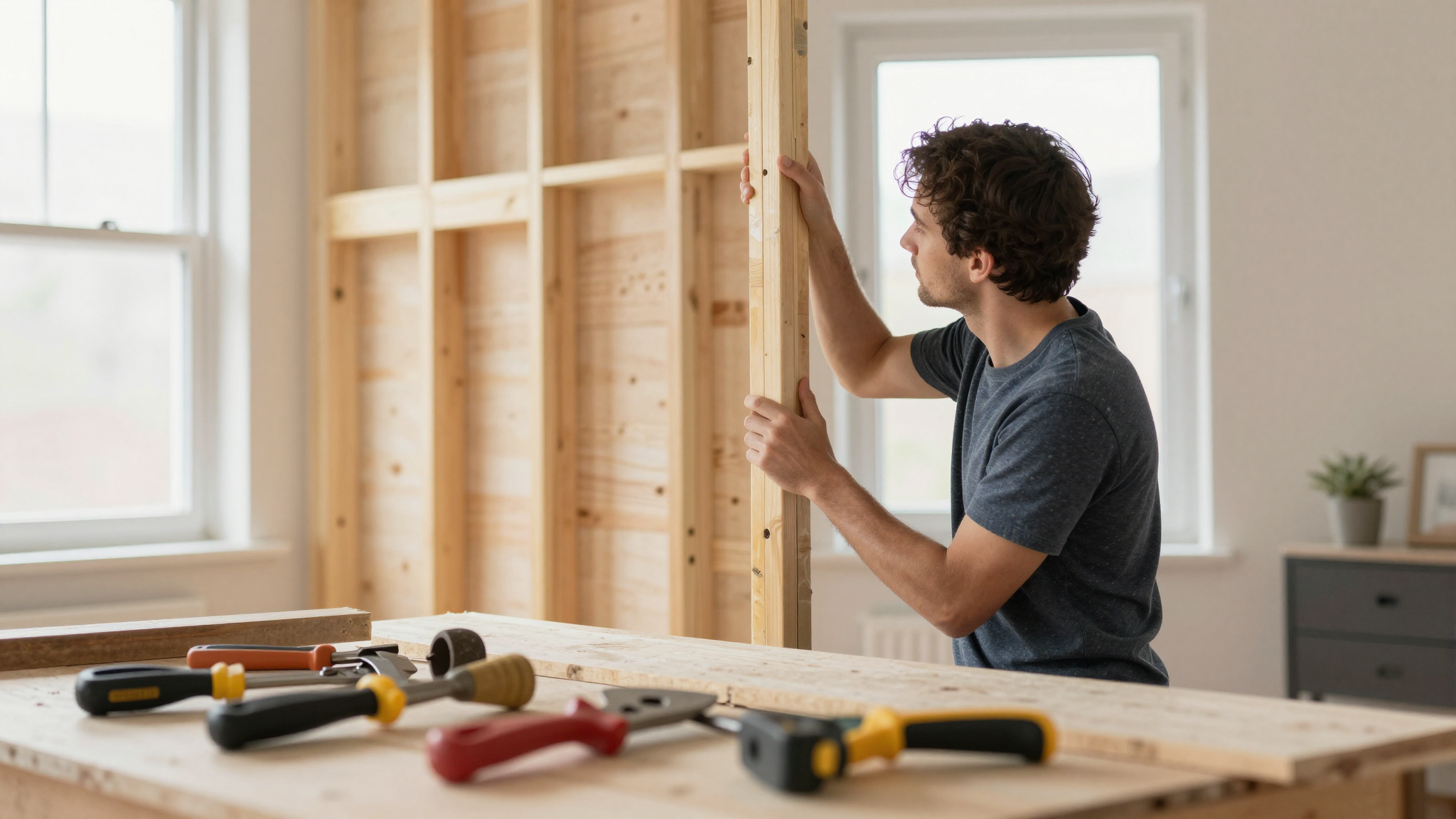
This was the phase where I felt most like a real DIYer. There’s something satisfying about watching raw studs turn into actual walls. But I also made some mistakes that cost me time and money.
Choosing the Right Materials (And What I Got Wrong)
For the framing, I used:
- Pressure-treated lumber for the bottom plate (this resists moisture from the concrete floor)
- 16-gauge nails (not the cheap 18-gauge ones I initially bought,they bent too easily)
- Metal framing connectors for extra stability (these were $20 but saved me from a wobbly wall)
For insulation, I used a combination of:
- XPS foam board (R-5 per inch) against the concrete walls,this creates a thermal break and resists moisture
- Fiberglass batts (R-13) between the studs for the walls
- Rock wool (R-13) for the ceiling,it’s more expensive but better at soundproofing (a must for our movie room)
My biggest framing mistake? Not leaving enough space for outlets. I had to cut into the drywall later to add more, which was a pain. Plan your electrical layout before framing! I used this outlet spacing guide to make sure we had enough power for all our needs.
Pro tip: I used my trusty drywall sander to smooth out seams, but I still had to redo a few spots where I didn’t tape properly. Watching this YouTube tutorial before starting saved me hours of frustration.
Electrical, Plumbing, and HVAC: When to Call a Pro (And When to DIY)
This was the phase where I had to admit defeat and call in professionals. Here’s what I learned:
Electrical Work: What I Could (and Couldn’t) Handle
I thought I could handle the electrical work myself. I’d watched plenty of tutorials and even helped my dad wire a shed. But our basement project was different because:
- We were adding a new circuit for the bathroom
- The wiring had to go through concrete
- We needed GFCI outlets in the bathroom and wet bar areas
I ended up hiring an electrician for $1,800, which included:
- Running new circuits from the main panel
- Installing outlets every 4 feet (as required by code)
- Adding recessed lighting in the ceiling
- Installing a dedicated circuit for our future home theater
What I did handle myself:
- Installing light switch plates and outlet covers
- Painting over the patched drywall where the electrician cut in
- Testing all outlets with a voltage tester (a $10 tool that saved me from a potential fire)
Pro tip: If you’re tackling electrical work, never work on live wires. I turned off the breaker for our entire basement before doing anything, even though I was just installing covers. Safety first!
Plumbing: The Expensive Lesson I Learned
I thought adding a bathroom would be straightforward. I’d seen DIYers on YouTube do it, so how hard could it be? Very hard. Here’s what went wrong:
First, I underestimated how much it would cost to run pipes through concrete. We had to break up a section of our slab to connect to the main sewer line, which required:
- A concrete saw rental ($120 for 2 days)
- Special plumbing fittings for below-grade work ($300)
- A plumber to inspect and approve the connections ($400)
Then, I didn’t account for the slope needed for drains. Our shower drain didn’t flow properly, so we had to redo part of the floor. Lesson learned: always hire a plumber for basement plumbing work. It’s not worth the risk of leaks or sewer backups.
What I did handle myself:
- Installing the toilet (after watching this tutorial three times)
- Caulking around the sink and shower
- Installing the vanity (which I later had to redo because I didn’t shim it properly)
HVAC: Keeping Your Basement Comfortable
Our biggest HVAC challenge was extending the ductwork to reach the new space. Our existing system wasn’t powerful enough to handle the extra square footage, so we had to:
- Add a new register in the ceiling
- Install a booster fan to help circulate air
- Upgrade our thermostat to a zoned system (so we could control basement temp separately)
Pro tip: If your basement feels damp, consider a dehumidifier. I bought a 70-pint model for $250, and it made a huge difference in keeping our space comfortable.
Flooring, Ceilings, and Finishing Touches: Making It Feel Like Home
This was the phase where our basement finally started to look like an actual living space. But I made some aesthetic mistakes along the way.
Choosing Flooring: What Actually Works in a Basement
I initially wanted hardwood floors because I thought they’d look nice. Big mistake. Basements are too prone to moisture for solid wood. Instead, I ended up with:
- Luxury vinyl plank (LVP) in the main living area,it looks like wood but is 100% waterproof. I used Shaw Floors’ 12.5″ planks in a walnut finish, which hides dirt well.
- Porcelain tile in the bathroom,it’s durable and easy to clean. I used 12″x24″ tiles in a matte finish to make the space feel larger.
- Carpet tiles in the play area,these are great because if one gets stained, you can replace just that tile. I used FLOR tiles in a blue shade that hides pet hair.
Pro tip: Always use a vapor barrier under your flooring. I used a 10-mil polyethylene sheet that I taped at the seams. This prevents moisture from wicking up through the concrete.
Ceilings and Lighting: How to Avoid a “Dungeon” Feel
This was where I almost ruined the whole project. I initially planned for a dropped ceiling with cheap tile, thinking it would be easy and hide imperfections. Then I visited a friend’s finished basement with a vaulted ceiling and realized how much better it looked. So I changed plans and:
- Installed recessed lighting (I used Lithonia LED kits that are dimmable)
- Added crown molding at the ceiling line to make the space feel more finished
- Painted the ceiling a bright white to reflect more light (I used Behr’s Ultra White)
For the lighting, I placed recessed cans every 4 feet and added LED puck lights under the wet bar for ambiance. The result? Our basement now feels bright and open, not like a dark cave.
Final Touches: What Made Our Basement Feel Like Home
After all the construction, the finishing touches were what really made our basement feel like part of our home. Here’s what I did:
- Painted the walls in a warm gray (Sherwin-Williams’ “Agreeable Gray”) to make the space feel cozy
- Added a feature wall with peel-and-stick wallpaper in the bathroom (it was so easy to install!)
- Installed built-in shelving around the TV for storage and decor (I used pine boards and stained them dark walnut)
- Hung a gallery wall with family photos and kids’ artwork (see my guide to gallery walls for tips)
- Added area rugs to define spaces and add warmth (I used a Ruggable rug in the play area because it’s stain-resistant)
Pro tip: If your basement has low ceilings, use vertical stripes on one wall to make the space feel taller. I did this in our bathroom and it worked like magic!
Final Thoughts (And What I’d Do Differently Next Time)
Our basement project took longer than expected, cost more than we budgeted, and had more setbacks than I care to admit. But looking at it now,with our kids playing downstairs, my husband working in the home office, and our family movie nights,it was 100% worth it.
If I could go back, I’d:
- Start with a smaller project (like just finishing one room) to test my skills before committing to the whole basement
- Hire a plumber from the beginning instead of trying to DIY the bathroom (it would’ve saved me $1,500 in mistakes)
- Invest in better tools upfront (my cheap drywall saw made the job 10x harder)
- Plan for more storage (we’re still looking for places to put all our stuff!)
But here’s the thing: I learned more from this project than any other DIY endeavor. I now know how to read blueprints, work with electrical systems, and even do basic plumbing repairs. And our family has a space that we use every single day.
So if you’re thinking about finishing your basement, my advice? Start small, plan carefully, and don’t be afraid to call a pro when you need to. It’s a big project, but the result is worth every ounce of effort.
Now, if you’ll excuse me, I need to go vacuum up the popcorn my kids left downstairs. Again.
Frequently Asked Questions
Do I really need a permit to finish my basement?
Yes, in almost every case. I put off getting permits for our basement and ended up having to redo part of the electrical work when the inspector caught it. Permits ensure your project meets safety codes and protect your home’s value. Check with your local building department,they’ll tell you exactly what you need. In our county, we needed permits for electrical, plumbing, and structural changes, and each cost $150.
What’s the most important first step in a basement project?
Addressing moisture is absolutely critical. I learned this the hard way when we found mold behind our drywall six months after finishing. Start with the plastic sheet test (tape plastic to walls and floors for 48 hours,if condensation forms, you’ve got moisture issues). Then test for radon and check your gutters and drainage. Fixing these problems early saves thousands in repairs later.
What type of flooring is best for below-grade areas?
You need flooring that can handle potential dampness. I used luxury vinyl plank (LVP) in the main area because it’s 100% waterproof and looks like wood. For the bathroom, I installed porcelain tile, and in the play area, I used carpet tiles (which are easy to replace if stained). Avoid solid hardwood,it can warp in damp conditions. Always use a vapor barrier under your flooring to prevent moisture from seeping up.
Can I add a bathroom during my basement finishing project?
Absolutely! Adding a bathroom significantly increases your home’s value. However, it’s one of the most complex parts of a basement project. You’ll need to run pipes through concrete, which often requires breaking the slab. I hired a plumber for this part, and it ended up costing $6,000,more than I initially budgeted. If you’re adding a bathroom, plan for extra time and money, and don’t skip the vapor barrier under the shower!
How can I make my finished basement feel bright and not like a dungeon?
Lighting is key! I used a combination of recessed cans in the ceiling, LED puck lights under the wet bar, and table lamps in the seating areas. I also painted the walls a light gray and used a bright white ceiling paint to reflect more light. Adding mirrors (like a large one over the wet bar) also helps bounce light around. And don’t forget rugs,they add warmth and color to the space.
Is finishing a basement a good DIY project for a beginner?
Some parts are very DIY-friendly, like painting, installing flooring, and building basic shelving. But tasks involving electrical wiring, plumbing, and HVAC should be left to licensed professionals for safety and code compliance. I learned this the hard way when I tried to DIY our bathroom plumbing and ended up with a leak. Be honest about your skills, and don’t hesitate to call in experts when needed. Even as a DIYer, I hired pros for the electrical and plumbing!