Coffee Table Makeover: From Basic to Beautiful
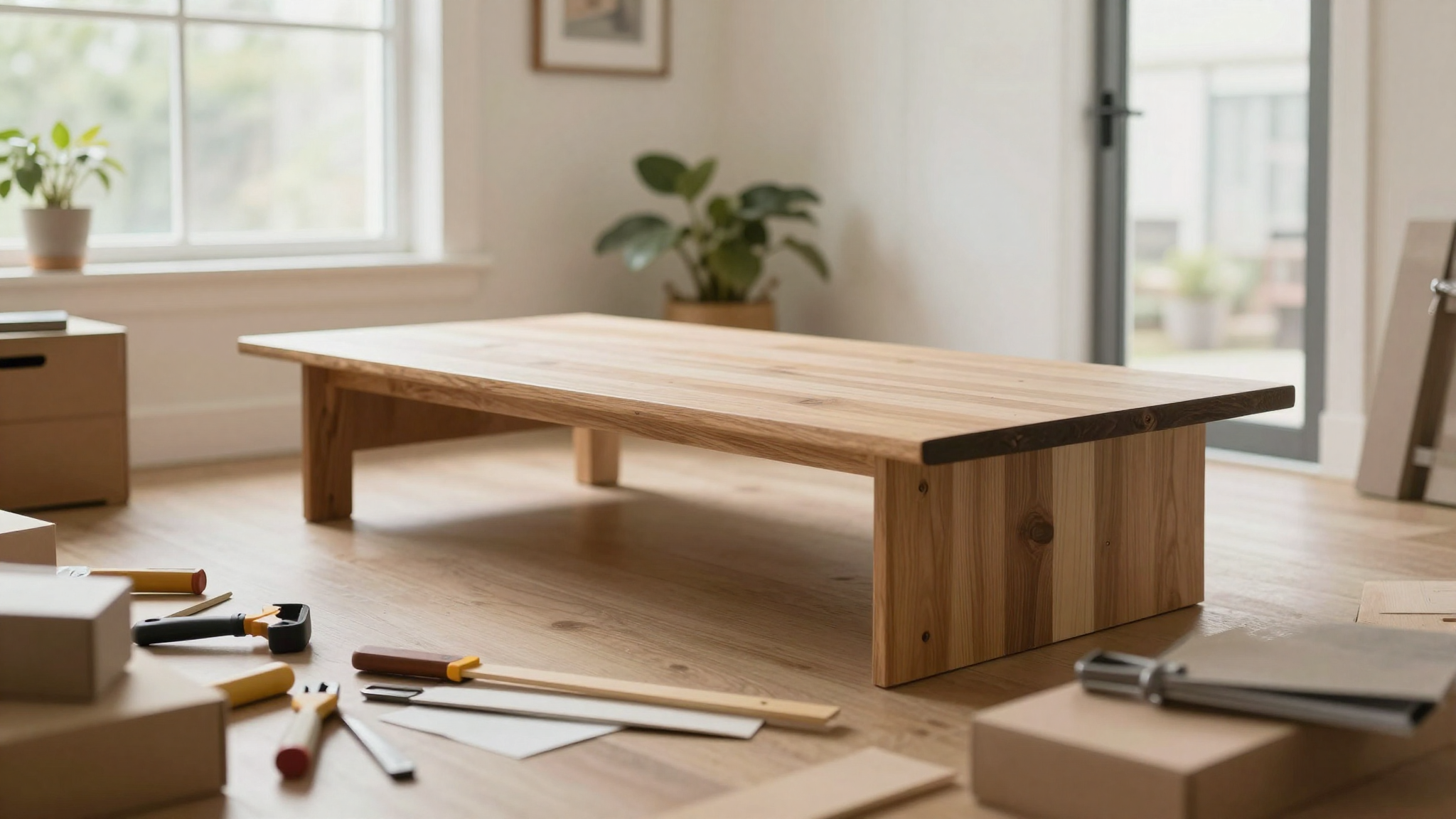
Let me tell you about the time I turned a $40 thrift store find into the centerpiece of my living room. It was one of those pieces that looked like it had seen better days – scratched up, with a wobbly leg and a finish that had seen too many coffee rings. But I knew with some sanding, a fresh coat of stain, and a little creativity, it could become something special. That project taught me that the right coffee table doesn’t just hold your drinks – it tells a story about your space and your style.
I’ve since helped friends transform their own basic tables, and I’ve learned that the key isn’t about spending a fortune or following the latest trends. It’s about understanding your space, choosing materials that work for your lifestyle, and adding personal touches that make it uniquely yours. Whether you’re working with a hand-me-down piece or just want to refresh what you already have, this guide will walk you through my real-life process for creating a coffee table that’s both beautiful and functional.
Before we dive in, let me share one of my biggest lessons learned: always measure twice. I once bought a gorgeous coffee table online that looked perfect in the photos, but when it arrived, it was too big for my living room. I had to return it and wait two weeks for the right size. Now I keep my tape measure handy and measure everything – including the space between my sofa and the table when it’s in place. Trust me, that 18-inch clearance rule is your friend.
Understanding Your Living Room Layout
When I first started redecorating our living room, I made the mistake of picking furniture based on how it looked in the store rather than how it would fit in our space. Our first coffee table was too small – it got lost between our sectional and the TV stand. The second was too big – it made the room feel cramped. It wasn’t until I grabbed my painter’s tape and actually marked out the space on the floor that I realized what would work.
Here’s what I’ve learned about getting the layout right:
- Measure everything – I use my trusty Stanley tape measure (the 25-foot one with the auto-lock) to get precise measurements. I measure the length of my sofa, the distance from the sofa to the wall, and the space between other furniture pieces.
- Leave room to breathe – I’ve found that 18-24 inches between my sofa and coffee table gives me enough space to walk comfortably without feeling like I’m navigating an obstacle course. This also makes it easier to reach for snacks during movie night without doing the limbo.
- Consider traffic flow – In our open-concept living room, I had to think about how people move through the space. I placed our coffee table so it doesn’t block the path from the kitchen to the family room, which is where we spend most of our time.
One trick that saved me a lot of headaches was using painter’s tape to outline the footprint of different coffee table sizes on the floor. I could then walk around the space and see how it would feel in real life. It’s amazing how different a room can look when you can visualize the furniture in it.
Maximizing Functionality and Style
Our coffee table isn’t just for looks – it’s where the kids do their homework, where I put my coffee in the morning, and where we play board games on family game night. That’s why I look for tables that balance style with practical features. Here are some of the things I consider when choosing or designing a coffee table:
| Factor | What I Look For | Why It Matters |
|---|---|---|
| Clearance | 18-24″ from seating | Makes the room feel more open and prevents that “cramped” feeling. It also gives me space to put my feet up when I’m watching TV. |
| Shape | Mirrors our rug’s contours | Creates a cohesive look that ties the whole room together. Our rectangular table complements our rectangular rug perfectly. |
| Height | 1-2″ below sofa arms | Makes it comfortable to reach for drinks or snacks without having to lean too far forward. This is especially important for my husband, who has a bad back. |
I also think about how we use the space. Since we have young kids, I wanted a table that could handle some wear and tear. That’s why I chose a solid wood table with a durable finish. I also looked for features that would make our lives easier, like a lift-top design that can double as a workspace when needed.
Choosing the Perfect Coffee Table
When it comes to choosing a coffee table, I’ve learned that there’s no one-size-fits-all solution. What works for one family might not work for another. That’s why I always start by considering our specific needs and lifestyle.
First, I think about how we use our living room. We spend a lot of time there as a family, so durability is key. I also consider the size of our space and how the table will fit with our other furniture. Our sectional is quite large, so I wanted a coffee table that would complement it without overwhelming the room.
I also think about the materials. I love the warm, natural look of wood, but I know it can be high-maintenance. That’s why I chose a table with a durable, easy-to-clean finish. I also considered the color and style – I wanted something that would complement our existing decor while adding a touch of personality.
One of the biggest mistakes I made early on was choosing a table based solely on its looks without considering its functionality. I bought a beautiful glass-top table that looked amazing in the store, but it turned out to be a nightmare in real life. It showed every fingerprint and water ring, and it was a pain to keep clean. I ended up returning it and going with a solid wood table instead.
Here are some of the things I consider when choosing a coffee table:
- Size – I measure the length of my sofa and aim for a table that’s about two-thirds the length. For our sectional, that meant a table that’s about 6 feet long.
- Shape – I consider the shape of our room and other furniture. Our living room is rectangular, so a rectangular table works well. But if you have a more unique space, you might want to consider a round or oval table.
- Height – I make sure the table is the right height for our sofa. It should be about 1-2 inches below the sofa arms for comfortable reach.
- Material – I think about what will work best for our lifestyle. Wood is durable and warm, but it can be high-maintenance. Glass is sleek and modern, but it shows fingerprints. Metal is durable and industrial, but it can be cold and hard.
- Storage – I consider whether we need storage. Since we have kids, I wanted a table with some hidden storage for toys and games.
I also think about the price. I don’t want to spend a fortune on a coffee table, but I also don’t want to buy something cheap that will fall apart in a year. I’ve found that mid-range tables from brands like West Elm or CB2 offer a good balance of quality and price. And if you’re on a budget, don’t be afraid to look for secondhand pieces that you can refresh with a little sanding and stain.
Exploring Coffee Table Shapes and Designs
I’ll admit, I used to think that coffee tables were just coffee tables – they all served the same purpose, so why did the shape matter? But after redecorating our living room a few times, I’ve learned that the shape of your coffee table can make a big difference in how your space feels and functions.
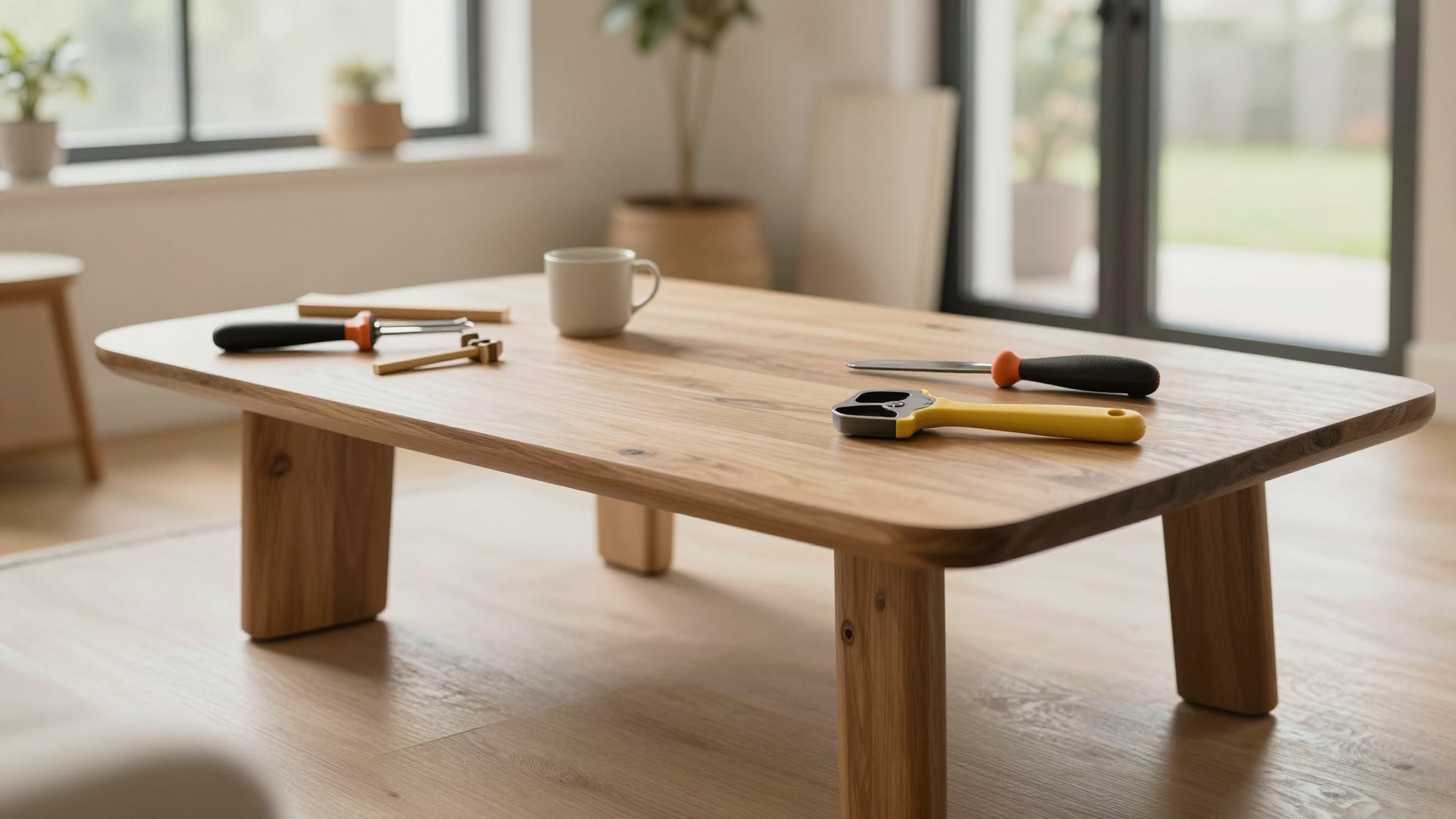
When we first moved into our house, I bought a square coffee table because it was the only one in stock at the time. But it just didn’t work with our rectangular sofa and rug. The room felt off-balance, and I couldn’t figure out why. It wasn’t until I swapped it out for a rectangular table that I realized how much the shape matters.
Classic Forms for Everyday Function
Rectangular tables are my go-to because they work so well with our sectional. They provide plenty of surface space for drinks, snacks, and all the other stuff that tends to pile up on our coffee table. But I’ve also seen how different shapes can change the feel of a room:
- Rectangular tables – Great for long sofas. They provide plenty of surface space and can help anchor the room. I love how ours complements our sectional and creates a cohesive look.
- Square tables – Perfect for creating an intimate seating area. They work well with smaller sofas or love seats. I’ve seen them used in cozy reading nooks and game rooms.
- Round tables – Softens angular rooms and prevents bumped knees. They’re great for open-concept spaces where you want to create a sense of flow. I’ve considered getting one for our dining area.
I also love how different shapes can change the feel of a room. A round table can make a rectangular room feel more balanced, while a rectangular table can help anchor a large, open space. And if you have a more unique room shape, you might want to consider a custom or asymmetrical table to fit your space perfectly.
Unexpected Silhouettes Make Statements
Don’t be afraid to think outside the box when it comes to coffee table shapes. I’ve seen some amazing designs that add so much personality to a room. Here are a few of my favorites:
- Oval tables – Combine the safety of a round table with the surface space of a rectangular one. They’re great for families because they provide plenty of room for drinks and snacks, but they also soften the look of the room.
- Geometric tables – Add a modern, artistic touch to your space. I love hexagonal or triangular bases because they add visual interest without being overwhelming.
- Organic shapes – Bring a touch of nature indoors. Live-edge tables or tables with curved, natural shapes can add warmth and texture to your space.
I recently saw a stunning coffee table with a free-edge live wood top at a local furniture store. It was so unique and beautiful that I almost bought it on the spot. But I held off and measured our space first. Turns out, it was just a little too big for our living room. That’s why I always say: measure twice, buy once!
When choosing a shape, think about how it will work with your existing furniture and the flow of your space. And don’t be afraid to try something unexpected. Your coffee table is a great opportunity to add some personality to your room.
Material Matters: Wood, Glass, and More
One of the biggest lessons I’ve learned about coffee tables is that the material you choose can make or break the look and functionality of your space. I’ve made some mistakes along the way – like the time I bought a glass-top table that showed every fingerprint and water ring – but I’ve also found some materials that work beautifully in our home.
Comparing Texture, Durability, and Maintenance
When I’m choosing a material for our coffee table, I think about three main things: how it looks, how durable it is, and how much maintenance it will require. Here’s what I’ve learned about some of the most popular materials:
- Wood – I love the warm, natural look of wood. It adds character and texture to a room, and it can be stained or painted to match your decor. But I’ve learned that not all wood is created equal. Solid wood, like oak or walnut, is more durable and will last longer than engineered wood. And if you have kids or pets, you’ll want to choose a wood with a durable finish that can handle some wear and tear.
- Glass – Glass tops create a sleek, modern look that can make a room feel more open and airy. But I’ve found that they’re not always practical. They show every fingerprint and water ring, and they can be a pain to keep clean. If you love the look of glass, consider a tempered glass top with a frame that will help hide any smudges.
- Metal – Metal bases or tables add an industrial, modern touch to a space. I love how they can complement both modern and traditional decor. But I’ve found that metal can be cold and hard, so I prefer to pair it with a warm wood top or a soft cushion.
I also think about how the material will work with our lifestyle. Since we have young kids, I wanted a table that could handle some roughhousing. That’s why I chose a solid wood table with a durable finish. I also considered how easy it would be to clean and maintain. I don’t have time to be constantly wiping down fingerprints or polishing scratches, so I went with a low-maintenance finish.
| Material | Best For | Maintenance Level | Style Impact |
|---|---|---|---|
| Wood | High-traffic areas, families with kids | Moderate (depends on finish) | Warm, timeless, adds character |
| Glass | Small spaces, modern decor | High (shows fingerprints, needs frequent cleaning) | Sleek, modern, makes room feel more open |
| Metal | Industrial decor, modern spaces | Low (but can show scratches) | Edgy, cool, adds modern touch |
Practical Tips for Material Selection
Here are some tips I’ve picked up along the way that have helped me choose the right materials for our coffee table:
- Consider your lifestyle – If you have kids or pets, you’ll want a durable, easy-to-clean material. Wood with a durable finish or tempered glass are both good options.
- Think about your decor – Wood adds warmth and character, while glass and metal create a more modern, sleek look. Choose a material that complements your existing decor.
- Test samples – Before you buy, ask if you can see or touch samples of the material. This will give you a better idea of how it will look and feel in your space.
- Consider the finish – A glossy finish will show more scratches and fingerprints, while a matte or textured finish will hide imperfections better. If you have kids, I recommend a matte or textured finish.
- Mix materials – Don’t be afraid to mix different materials. A wood top with a metal base can create a beautiful contrast. I’ve seen some stunning tables with a live-edge wood top and a black metal base.
One of my favorite coffee tables I’ve seen recently had a live-edge wood top with a black metal base. It was so unique and beautiful that I almost bought it on the spot. But I held off and thought about how it would work in our space. In the end, I decided it was a little too rustic for our modern farmhouse decor. But it got me thinking about how mixing materials can add so much personality to a room.
Coffee Table Storage Solutions for a Clutter-Free Approach
One of the biggest challenges I face in our living room is keeping it clutter-free. With kids, it seems like toys, books, and random stuff always end up on our coffee table. That’s why I love coffee tables with built-in storage. They help keep our space organized and make it easier to find what we need.
When we first moved into our house, our coffee table was just a plain, rectangular table with no storage. It was always covered in clutter – books, remotes, toys, you name it. It drove me crazy, and I knew I needed to find a solution. That’s when I discovered coffee tables with built-in storage.
Incorporating Drawers, Shelves, and Lift-Top Designs
I’ve tried a few different storage solutions over the years, and I’ve found that the best ones are the ones that fit our lifestyle and our space. Here are some of the storage features I love:
- Lift-top designs – These tables have a hinged top that lifts up to reveal hidden storage underneath. I love how they can double as a workspace or a place to store board games. We use ours to store our kids’ art supplies and craft projects.
- Drawers – Drawers are great for storing smaller items like remotes, coasters, and magazines. I love how they keep everything organized and out of sight. We use the drawers in our coffee table to store our kids’ favorite board games.
- Open shelves – Open shelves are perfect for displaying books, plants, or decorative accents. I love how they add a personal touch to our space. We use the open shelves in our coffee table to display our kids’ favorite books and some of our travel souvenirs.
I also love nesting tables. They’re great for small spaces because they can be tucked away when not in use. I have a set of nesting tables in our family room that we use when we have guests over. They provide extra surface space for drinks and snacks, and they can be easily stored away when we don’t need them.
| Storage Type | Best For | Style Impact |
|---|---|---|
| Lift-top | Multi-tasking spaces, families with kids | Sleek, modern, functional |
| Drawers | Private item storage, keeping clutter hidden | Traditional charm, organized look |
| Open shelves | Display-ready organization, showing off decor | Airy, casual, personal touch |
Here are some tips I’ve learned for keeping our coffee table clutter-free:
- Use decorative trays – I love using trays to corral small items like remotes, coasters, and candles. It keeps everything organized and makes it easier to clean. We have a beautiful wooden tray on our coffee table that we use to hold our kids’ favorite books and some decorative accents.
- Rotate displayed objects – I like to change up the items on our coffee table every few weeks. It keeps the space feeling fresh and gives us a chance to display different things. We have a collection of travel souvenirs that we rotate on and off our coffee table.
- Store bulky electronics – We keep our kids’ tablets and gaming controllers in the drawers of our coffee table. It keeps them out of sight and makes it easier to find them when we need them.
One of my favorite coffee table storage hacks is using the space under the table. I’ve seen some amazing coffee tables with shelves or drawers underneath that provide extra storage without taking up any extra space. We use the space under our coffee table to store our kids’ favorite board games and puzzles.
Styling Your Coffee Table: Elevate Your Living Space
One of the things I love most about our coffee table is how it ties our whole living room together. It’s not just a place to put our drinks – it’s a canvas for showcasing our personality and our style. That’s why I put so much thought into how I style it.
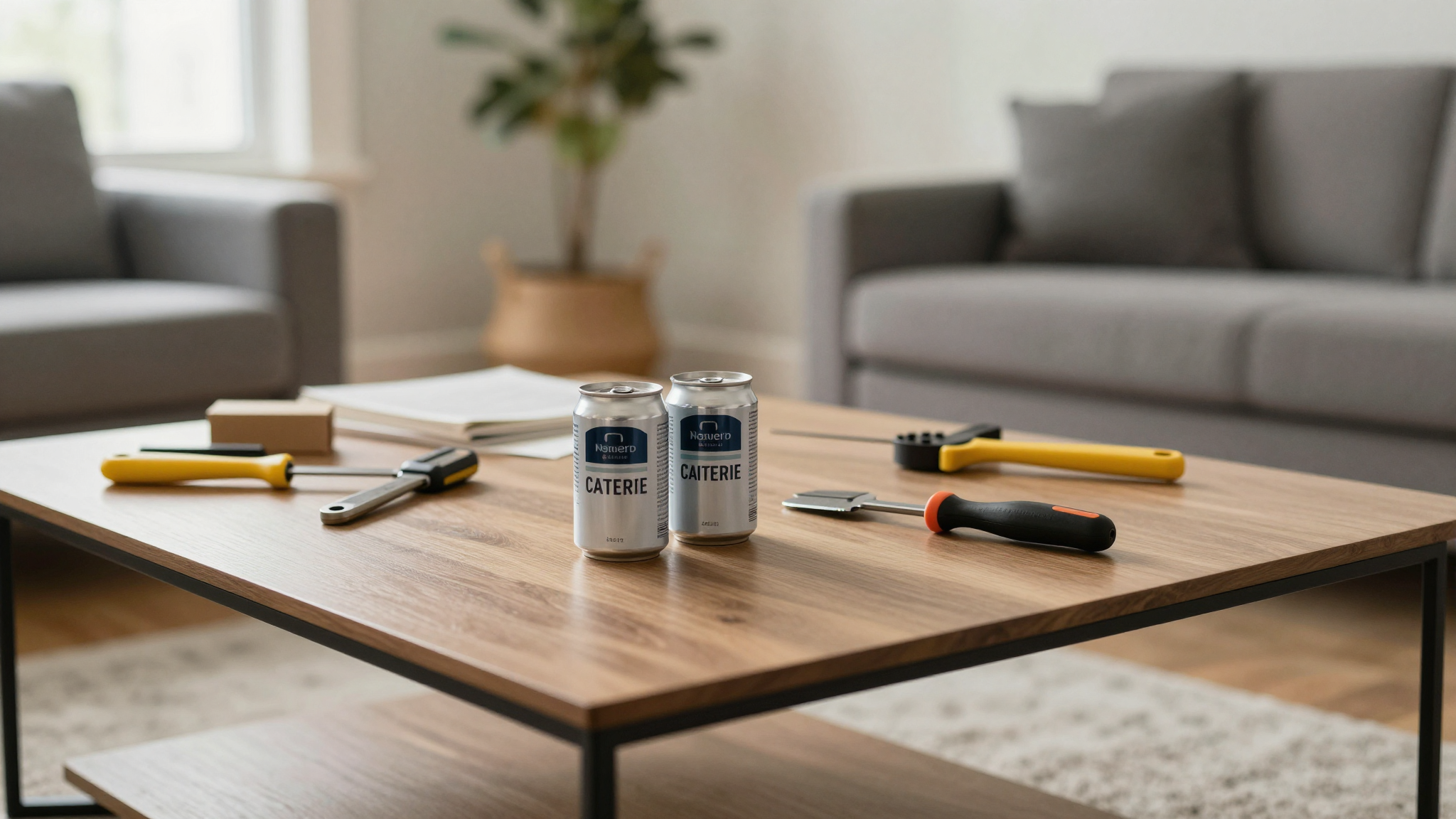
When we first moved into our house, our coffee table was just a plain, boring table with nothing on it. It didn’t reflect our personality or our style at all. That’s when I realized that styling our coffee table was just as important as choosing the right table itself.
Accessorizing with Books, Candles, and Greenery
I love using books, candles, and greenery to style our coffee table. They add warmth, texture, and personality to our space. Here are some of my favorite ways to style our coffee table:
- Stacked books – I love using books to add height and interest to our coffee table. I choose books with colorful spines or interesting covers. We have a stack of our kids’ favorite children’s books on our coffee table, and it adds a personal touch to our space.
- Candles – Candles add warmth and ambiance to our living room. I love using a mix of different heights and styles. We have a trio of candles on our coffee table that we light in the evening. It creates a cozy, inviting atmosphere.
- Greenery – Plants add life and freshness to our space. I love using low-maintenance plants like succulents or air plants. We have a small potted plant on our coffee table that adds a touch of green to our space.
| Element | Purpose | Style Tip |
|---|---|---|
| Books | Adds height and personality | Use odd-numbered stacks for a more natural look |
| Candles | Creates ambiance and warmth | Cluster varying heights for visual interest |
| Plants | Brings life and freshness to the space | Choose low-maintenance options like succulents |
One of my favorite coffee table styling tricks is using a tray to corral smaller items. It keeps everything organized and makes it easier to clean. We have a beautiful wooden tray on our coffee table that we use to hold our kids’ favorite books, some decorative accents, and a small potted plant.
Balancing Minimalism with Decorative Flair
I’ve learned that the key to styling a coffee table is finding the right balance between minimalism and decorative flair. You don’t want it to look cluttered, but you also don’t want it to look bare. Here’s how I approach it:
- Leave some empty space – I always leave about 30-40% of the surface empty. It makes the table look more intentional and gives us space to put drinks or snacks when we need to. It also makes the decorative items stand out more.
- Mix textures and materials – I love mixing different textures and materials. It adds visual interest and makes the table look more dynamic. We have a mix of wood, metal, and glass on our coffee table, and it creates a beautiful contrast.
- Use the rule of three – I try to group items in odd numbers. It creates a more natural, balanced look. We have a trio of candles, a stack of three books, and a group of three small decorative accents on our coffee table.
I also like to rotate the items on our coffee table seasonally. It keeps the space feeling fresh and gives us a chance to display different things. In the fall, we swap out our summer decor for cozy items like pumpkins, candles, and a warm throw. In the spring, we bring out lighter, brighter items like pastel-colored books and fresh flowers.
One of my favorite coffee table styling tips is to use a mix of functional and decorative items. It makes the table look more intentional and gives us a place to put the things we use every day. We have a decorative tray on our coffee table that we use to hold our kids’ favorite books, some coasters, and a small potted plant. It’s both functional and beautiful.
Budgeting and Quality: Finding the Right Price Point
One of the biggest challenges I face when redecorating is finding the right balance between budget and quality. I don’t want to spend a fortune on a coffee table, but I also don’t want to buy something cheap that will fall apart in a year. That’s why I’ve learned to be strategic about where I spend my money.
When we first moved into our house, I bought a cheap coffee table from a big-box store. It looked fine at first, but it started to wobble and fall apart after just a few months. I realized that I needed to invest in a higher-quality table that would last. That’s when I started researching different materials and construction methods.
Evaluating Cost Against Design and Functionality
Here’s what I’ve learned about balancing cost and quality when it comes to coffee tables:
- Consider your budget – I always start by setting a budget for our coffee table. It helps me focus on tables that are within our price range. I’ve found that mid-range tables from brands like West Elm or CB2 offer a good balance of quality and price.
- Think about durability – I look for tables with solid construction and durable materials. Solid wood, metal, and tempered glass are all good options. I avoid particleboard or other cheap materials that won’t last.
- Consider your lifestyle – If we have kids or pets, I look for tables with durable finishes that can handle some wear and tear. I also consider tables with storage or other features that will make our lives easier.
| Price Range | Best Features | Lifespan |
|---|---|---|
| $150-$300 | Engineered wood, basic storage, simple design | 3-5 years (with proper care) |
| $400-$700 | Solid construction, durable materials, warranty | 7-10 years (with proper care) |
| $800+ | Heirloom materials, custom sizing, high-end finishes | 15+ years (with proper care) |
I also think about how we’ll use the table. If it’s just for looks, I might be able to get away with a cheaper table. But if it’s a high-traffic area that will see a lot of use, I’m willing to invest in a higher-quality table. I’ve found that a well-made coffee table can last for years, making it a worthwhile investment.
One of the best ways to save money on a coffee table is to look for secondhand pieces. I’ve found some amazing coffee tables at thrift stores, estate sales, and online marketplaces. With a little sanding and staining, I can give them a fresh new look that fits our decor perfectly. I’ve also seen some great coffee tables on sites like Facebook Marketplace and Craigslist.
Here’s a tip I’ve learned the hard way: always measure your space before you buy a coffee table. I once bought a beautiful coffee table online that looked perfect in the photos, but when it arrived, it was too big for our living room. I had to return it and wait two weeks for the right size. Now I always measure our space and bring the measurements with me when I’m shopping.
Final Touches for a Beautiful Living Room Look
Now that we’ve chosen and styled our coffee table, it’s time to make sure it ties in with the rest of our living room. The key is to create a cohesive look that makes our space feel intentional and put-together.
When we first moved into our house, our living room felt disjointed. Our coffee table was a different style than our sofa, and our rug didn’t match anything. It wasn’t until I started thinking about how all the pieces worked together that I was able to create a cohesive look.
Creating Visual Harmony Through Design
Here are some of the things I consider when tying our coffee table into the rest of our living room:
- Echo your color scheme – I look for ways to echo the colors in our coffee table throughout the room. If our coffee table has a warm wood tone, I’ll look for other wood pieces or accessories in the same color family. We have a few throw pillows and a blanket that pick up the warm tones in our coffee table.
- Repeat textures – I love repeating textures throughout our space. If our coffee table has a wood top, I’ll look for other wood pieces or accessories. If it has a metal base, I’ll look for other metal accents. We have a metal lamp and some metal picture frames that complement the metal base of our coffee table.
- Consider proportions – I make sure our coffee table is the right size for our sofa and our space. I also consider the proportions of other furniture pieces in the room. We have a sectional that’s quite large, so our coffee table is a good size to complement it.
| Element | Connection Strategy | Impact |
|---|---|---|
| Rug Patterns | Match table base shape (e.g., rectangular rug with rectangular table) | Grounds the space and creates visual harmony |
| Wall Art | Coordinate with surface tones (e.g., metal frame to match table base) | Elevates the walls and ties the room together |
| Light Fixtures | Mirror metal finishes (e.g., brass lamp to match brass table legs) | Unifies the lighting and adds cohesion |
I also think about how our coffee table ties into the rest of our home. If we have a specific style or color scheme that we’re going for, I make sure our coffee table fits into that. For example, if we’re going for a modern farmhouse look, I’ll choose a coffee table with a rustic wood top and a metal base.
One of my favorite ways to tie our coffee table into the rest of our living room is to use it as a focal point for our decor. I’ll arrange our throw pillows, blankets, and other accessories around the coffee table to create a cohesive look. I’ll also use our coffee table to display some of our favorite books, plants, and other decorative accents.
Here’s a tip I’ve learned the hard way: always consider sightlines when placing your coffee table. I once placed our coffee table in a spot that looked great from the living room but was awkward to see from the dining room. It made the whole space feel off-balance. Now I always think about how our coffee table will look from different angles in the room.
Finally, I like to add some personal touches to our coffee table. It’s a great place to display photos, travel souvenirs, or other items that are special to us. We have a few framed photos of our family on our coffee table, and it adds a personal touch to our space.
Ready to Get Started?
Now that you’ve seen how I’ve transformed our basic coffee table into a beautiful, functional centerpiece, I hope you’re feeling inspired to do the same in your space. Remember, the key is to choose a table that fits your space and your lifestyle, and then style it in a way that reflects your personality.
If you’re not sure where to start, here are a few ideas to get you going:
- Measure your space – Grab that tape measure and get the dimensions of your living room and your sofa. This will help you choose a coffee table that’s the right size.
- Think about your lifestyle – Consider how you use your living room and what features you need in a coffee table. Do you need storage? Do you have kids or pets?
- Choose a material – Think about the look and feel you want in your space. Do you love the warmth of wood? The sleekness of glass? The industrial look of metal?
- Add some personality – Don’t be afraid to mix and match different styles and materials. Your coffee table is a great opportunity to add some character to your space.
- Style it with love – Once you’ve chosen your coffee table, have fun styling it with books, candles, plants, and other decorative accents. Make it your own!
If you’re looking for more inspiration, check out some of my other posts:
- 5 DIY Projects to Instantly Add Charm to Your Home – For more ideas on how to refresh your space with simple DIY projects.
- Easy DIY Projects to Give Your Bedroom a Makeover – If you’re feeling inspired to tackle other rooms in your home.
- Upcycling Furniture Tips for a Professional-Looking Finish – For tips on how to refresh thrifted or secondhand furniture.
And if you’re ready to dive into a specific project, here are a few of my favorites:
- How to Build a Farmhouse-Style Coffee Table – If you’re feeling ambitious and want to build your own coffee table from scratch.
- Patching Holes in Drywall: Tips for a Smooth Finish – If you need to prep a surface before painting or staining.
Now, grab your tape measure, pick a project, and let’s get to work! Remember, the best coffee tables are the ones that reflect your personality and your style. So have fun with it, and don’t be afraid to make it your own.
FAQs
How do I measure my space for the right coffee table size?
Start by measuring the length of your sofa. A good rule of thumb is to choose a coffee table that’s about two-thirds the length of your sofa. For example, if your sofa is 8 feet long, look for a coffee table that’s about 5-6 feet long. Also, leave at least 18 inches of space between your sofa and the coffee table for easy movement. I like to use painter’s tape to mark out the footprint of different coffee table sizes on the floor. This helps me visualize how the table will fit in the space and ensures that I leave enough room for traffic flow.
Are round coffee tables better for small spaces than square ones?
Yes! Round coffee tables are great for small spaces because they soften sharp angles and create a safer pathway. They also work well with sectional sofas or love seats, as they help define the seating area without taking up too much space. I have a round coffee table in our sunroom, and it fits perfectly in the small space. It also makes the room feel more open and airy.
What materials hold up best for households with kids or pets?
For households with kids or pets, I recommend materials that are durable and easy to clean. Solid wood with a durable finish, like oak or walnut, is a great choice. It can handle some wear and tear and looks beautiful in any space. Tempered glass is another good option, as it’s durable and easy to clean. However, it does show fingerprints, so you’ll need to be prepared to wipe it down regularly. Metal is also a good choice, as it’s durable and easy to clean. Just be aware that it can be cold and hard, so you might want to pair it with a soft cushion or a warm throw.
Can I add storage without making my living room look cluttered?
Absolutely! There are plenty of ways to add storage to your coffee table without making your living room look cluttered. Lift-top designs are a great option, as they provide hidden storage underneath the table surface. Drawers are another good choice, as they keep items organized and out of sight. Open shelves can also provide storage while displaying decorative accents. Just be sure to edit your display regularly to keep it looking clean and intentional. I like to use trays to corral smaller items, which helps keep everything organized and makes it easier to clean.
How do I style a coffee table without overcrowding it?
Styling a coffee table without overcrowding it is all about balance. Start with a few key pieces, like a stack of books or a decorative tray, and build from there. I like to use the “rule of three” – group items in odd numbers for a more natural look. Also, leave about 30-40% of the surface empty to make the table look more intentional. Mix textures and materials to add visual interest, and don’t be afraid to rotate your display seasonally. This keeps the space feeling fresh and gives you a chance to showcase different items.
Is it worth investing in a pricier coffee table for long-term use?
It really depends on your budget and your lifestyle. If you’re looking for a coffee table that will last for years and can handle daily wear and tear, it’s worth investing in a higher-quality piece. Mid-range tables from brands like West Elm or CB2 offer a good balance of quality and price. They’re typically made with solid construction and durable materials, and they often come with warranties. If you’re on a tighter budget, look for secondhand pieces that you can refresh with a little sanding and stain. Just be sure to choose a material that will work well with your lifestyle and your space.
What’s the easiest way to tie my coffee table into my existing décor?
Tying your coffee table into your existing decor is all about creating visual connections. Start by echoing your color scheme – choose a coffee table in a color or finish that complements your existing decor. You can also repeat textures or materials – if you have a wood coffee table, look for other wood pieces or accessories in your space. Consider the shape of your coffee table and how it relates to other furniture pieces in the room. For example, a rectangular coffee table can help anchor a rectangular rug. Finally, think about how your coffee table ties into the rest of your home. If you have a specific style or color scheme that you’re going for, make sure your coffee table fits into that.