
How to Build a Simple, Stylish Mudroom Bench (That Actually Gets Used)
Let me tell you,our entryway used to be a disaster. Shoes piled by the door, coats draped over the banister, and backpacks spilling onto the floor. I swore I’d fix it, but I didn’t want some generic, flimsy bench that would collapse the first time my kids tossed their soccer cleats onto it. So, I built my own. And honestly? It’s the best $150 I’ve ever spent on our house.
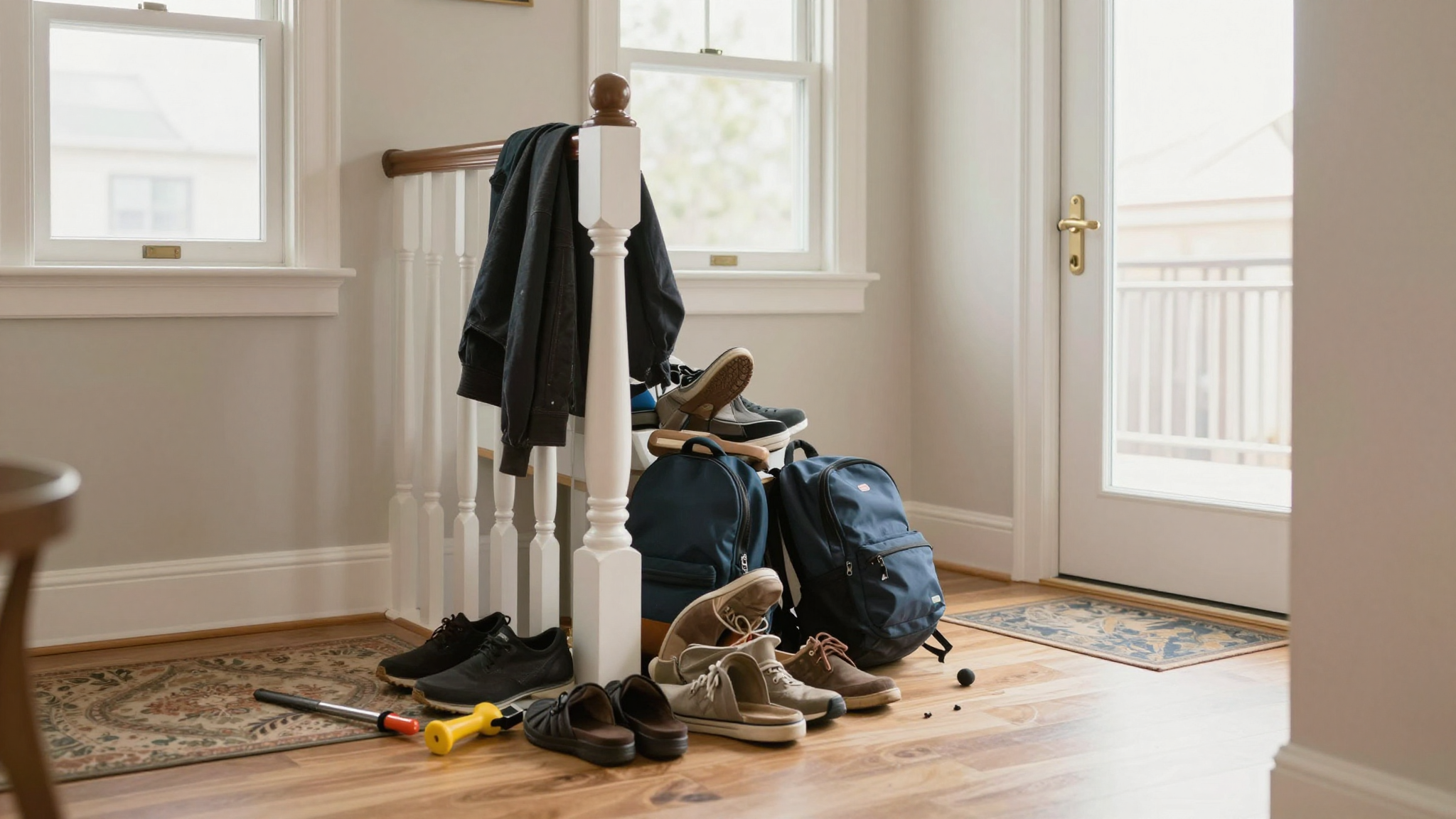
This isn’t one of those “transform your space” posts where everything looks perfect on the first try. I messed up the measurements twice, nearly ruined a board with too much stain, and had to redo the painter’s tape *three times* because I rushed it. But now? We actually *use* the mudroom. The kids toss their stuff in the cubbies, the dogs’ leashes hang neatly on hooks, and I don’t trip over sneakers anymore. Victory.
If you’re ready to build something functional *and* stylish (without breaking the bank or your back), let’s get into it. I’ll walk you through every step,including the mistakes so you don’t repeat them.
Why This Mudroom Bench Works (And How It Fits Into Our Chaos)
I’ll be honest: I didn’t start this project with a Pinterest-perfect vision. I just needed a place to corral the chaos. But after digging into the details, I realized a good mudroom bench does three things:
- Holds up to daily abuse,because let’s be real, kids (and husbands) aren’t gentle.
- Actually gets used,not just a pretty decoration that collects dust.
- Fits our space (and our stuff),no wasted inches, no awkward gaps.
That’s why I went with a design that mixes moody paint, dark-stained wood, and open dividers. It’s not just a bench,it’s a command center for our family’s mess. And the best part? It only took me a weekend (with a few curse words and a lot of coffee).
Here’s what I learned along the way:
- Moody paint (like Sherwin-Williams’ Iron Ore) adds depth,but don’t skimp on primer, or you’ll regret it.
- Open dividers keep things accessible,no digging through piles to find a missing glove.
- Wood stain (walnut, in my case) adds warmth,but test it on scrap wood first. I learned that the hard way when my first coat looked like mud.
This bench isn’t just about looks,it’s about making our entryway *work* for us. And if you’re anything like me, that’s what really matters.
Planning Your Mudroom Bench: Where to Start (And What I Wish I’d Known)
Before you grab a saw, let’s talk layout. This is where most people (including me) go wrong. You *think* you know how much space you have, but then the bench is too big, or the cubbies are too small, or,worst of all,it doesn’t fit at all.
Here’s how I avoided disaster:
Measure Twice, Cut Once (Seriously)
I used my favorite tape measure (the one with the built-in level,worth every penny) to map out the space. I even taped out the layout on the floor with painter’s tape so I could visualize it. Pro tip: If you’re like me and hate math, use a free app like RoomScan to sketch it out digitally first.
I also made a big mistake here: I didn’t account for the thickness of the wood. My first cut was 1/4 inch too short, and I had to redo it. Always add 1/8 inch to your measurements for the wood thickness.
Pick Materials That Won’t Fall Apart (Or Break the Bank)
I used:
- Primed plywood for the cubbies (cheap, sturdy, and easy to paint).
- Birch plywood for the bench seat (smooth and strong).
- Pine trim for the edges (because I like the warm look).
I *almost* went with MDF for the cubbies, but then I remembered how it swells when it gets wet. Since our mudroom is right by the door, I stuck with plywood. Lesson learned.
For the stain, I used Minwax Special Walnut. I tested it on a scrap piece first (thank goodness, because the first coat looked like I’d dumped coffee on it). The second coat turned out perfect.
If you’re on a budget, check your local habitat reuse store for pre-cut wood. I found a bunch of pine boards there for half the price of new lumber.
Clearing the Space (And Why I Almost Gave Up)
Before I could build anything, I had to empty the mudroom. And let me tell you,our entryway was a black hole of random stuff. Old shoes, broken umbrellas, a bike helmet from 2019 (where did that even come from?), and enough dust bunnies to start a farm.
I spent an entire afternoon hauling everything out. I even ripped up the old baseboards (they were hideous anyway) to make the bench look built-in. If you’re doing this, do it when no one’s home. My kids kept asking, “Mom, why are you tearing the house apart?” and I may have snapped, “Because I’m building us a *functional* space!”
Once it was empty, I taped out the layout on the floor. I used a level to mark the height (17.25 inches,comfortable for sitting but not too tall). I also pre-drilled holes for the hardware so I wouldn’t have to hold everything in place while screwing.
Here’s my biggest tip: If you’re like me and hate measuring, use a stud finder to mark where the wall studs are. You’ll need them for anchoring the bench so it doesn’t wobble.
Cutting the Wood (And How I Almost Ruined a Board)
This is where I panicked. I’d never cut wood this big before, and I was terrified of messing up. But here’s what I did:
Tools That Saved Me (And One That Almost Didn’t)
I used:
- A circular saw for the long cuts (I borrowed my neighbor’s,worth it).
- A jigsaw for the arches (more on that later).
- A pocket hole jig (Kreg Jig) for hidden screws,game changer.
- A level (because nothing is straight in my house).
I *almost* used my miter saw for the long cuts, but then I remembered the last time I did that and the blade got stuck. So I stuck with the circular saw and went slow.
Pro Tips (So You Don’t Make My Mistakes)
- Check for warping,run your hand along the board. If it’s not straight, sand it down first.
- Mark your cuts with a nail,I did this so I wouldn’t accidentally shift the wood while cutting.
- Let the hardware store cut it for you,if you’re nervous, most places will cut wood for free. I paid $5 to have them cut my plywood to size, and it was worth it.
I also sanded everything before staining. I used 120-grit first, then 220 for the smooth finish. Skipping this step = a rough, splintery bench. Don’t be like me.
Building the Frames (Where I Learned Patience)
This is where the magic happens,but also where I wanted to throw my hammer across the room. Assembling the frames took forever, and I kept second-guessing myself. But here’s how I did it:
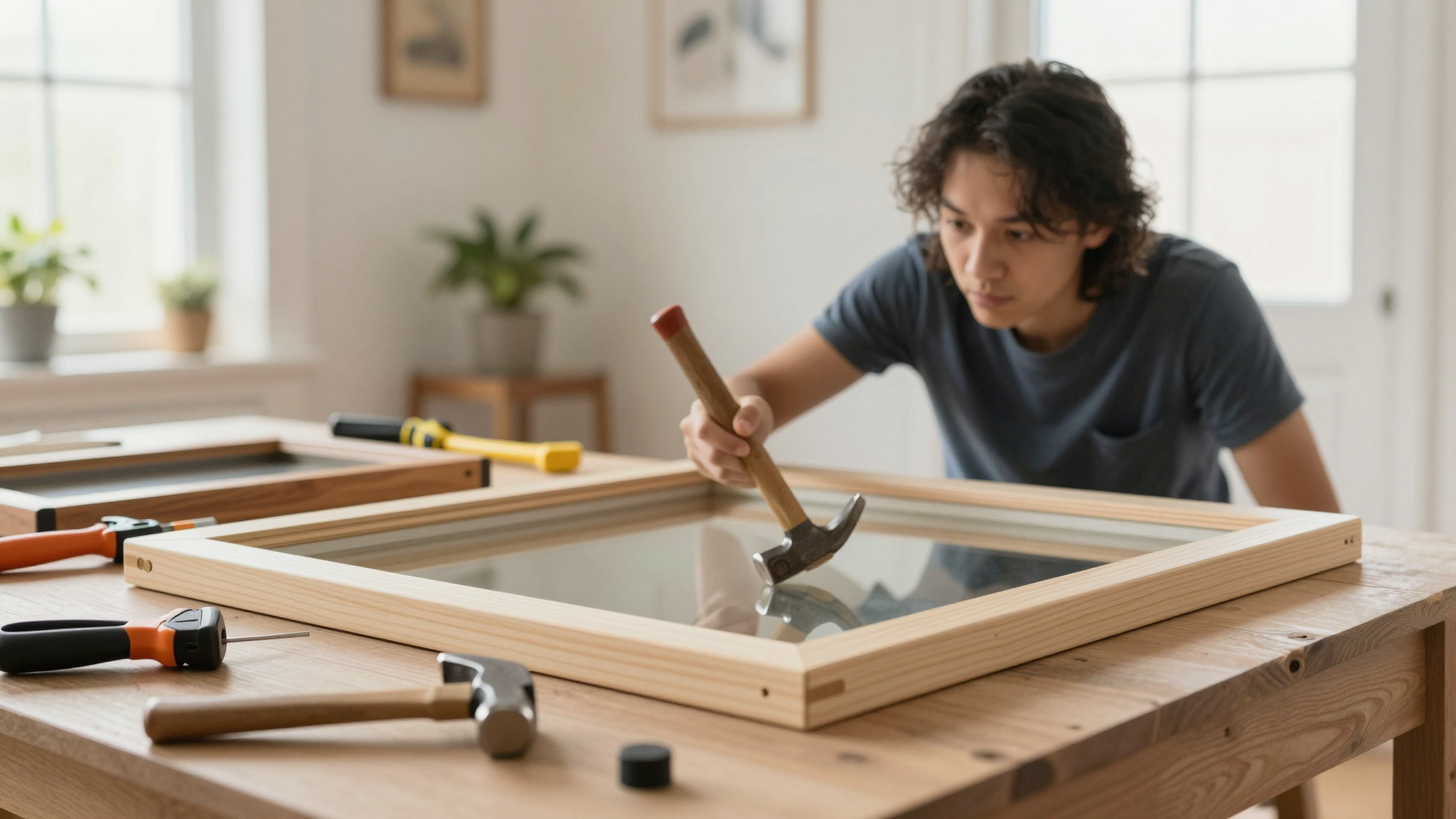
Stability First (Or Your Bench Will Wobble)
I started with the vertical divider between the bench and the cubbies. I used a level to make sure it was perfectly straight before screwing it in. Then I attached the locker frames in the garage (so I wouldn’t clutter the house) and checked for squareness.
I also pre-drilled holes for the wall anchors. If you skip this, you’ll be holding the bench up while screwing,trust me, it’s not fun.
Wall Anchors Are Your Friend
I used toggle bolts (not the cheap plastic ones) to anchor the bench to the studs. If you don’t hit a stud, your bench will wobble. I learned this the hard way when my husband sat on it and the whole thing shifted. Oops.
Here’s my step-by-step (so you don’t repeat my mistakes):
- Secure the vertical divider with screws and wood glue (extra strength).
- Build the locker frames in a clean space (garage, driveway, etc.).
- Use a level every time you attach something. I’m serious.
- Pre-drill holes for wall anchors,don’t wing it.
If you’re like me and hate measuring, use a stud finder to mark where the wall studs are. You’ll need them for anchoring the bench so it doesn’t wobble.
Adding Trim and Anchors (The Details That Make It Look Expensive)
This is where the bench went from “meh” to “wow.” Trim isn’t just for looks,it hides imperfections and makes everything look intentional.
Trim Like a Pro (Even If You’re Not One)
I used pine trim for the front of the dividers. I cut it to size, then attached it with wood glue and finishing nails. The glue keeps it from shifting, and the nails hold it in place. I used a brad nailer (rented it from the hardware store) so the nails were tiny and hidden.
I also added extra boards along the sides for stability. If you skip this, the bench might sag over time. I learned this from my farmhouse coffee table project,don’t make the same mistake!
Pro Tips for a Clean Finish
- Use a level to check the trim before nailing. I did this three times,better safe than sorry.
- Clamp the trim in place before nailing so it doesn’t shift.
- Fill the nail holes with wood filler and sand smooth.
If you’re short on time, pre-stained trim is a lifesaver. I used it for the edges, and it saved me hours of sanding.
Vertical Planks for Texture (And How I Almost Went With Shiplap)
I *almost* used shiplap for the back of the bench,it’s trendy, right? But then I remembered how shiplap can look dated fast. Instead, I went with 6-inch MDF planks. Here’s why:
- It’s cheap (under $20 for enough to cover the bench).
- It’s lightweight (easy to cut and hang).
- It takes paint like a dream (no grain to worry about).
I stained them with the same walnut finish as the bench, then attached them vertically. It adds texture without looking like every other Pinterest mudroom.
Pro tip: If you’re using MDF, seal the edges with painter’s tape before staining. It absorbs moisture like a sponge, and the edges will darken if you’re not careful.
Decorative Arches (The Fancy Touch That Took 10 Minutes)
I wasn’t sure about arches at first,seemed like overkill. But then I realized they soften the look and make the cubbies feel intentional. Here’s how I did it:
How to Cut a Perfect Arch (Without a Jigsaw)
I used a flexible ruler to draw the arch shape on a scrap board. Then I traced it onto the trim pieces and cut them with a jigsaw. It took me three tries to get it right, but once I did, it looked so much better than a straight edge.
I attached them with construction adhesive and finishing nails. The adhesive holds them in place while the nails keep them from shifting.
Why Arches Work
- They soften the look,no more boxy, boring cubbies.
- They add character,it’s the little detail that makes it feel custom.
- They’re easy to install,even if you’re not a carpenter.
If you’re nervous about cutting arches, watch this video,it saved me from ruining my first attempt.
Sanding, Caulking, and Prepping for Paint (The Boring but Necessary Stuff)
This is the part where I wanted to skip ahead, but do not skip this step. A smooth finish makes all the difference.
Sanding: The Key to a Pro Look
I sanded everything with 120-grit, then 220-grit for the final pass. I focused on the edges and corners,those are where splinters and rough spots hide. I also used a sanding sponge for the curves (like the arches). It’s messy, but it’s worth it.
Caulking: The Secret to a Flawless Finish
I used painter’s caulk to fill the gaps between the trim and the walls. It’s cheaper than regular caulk and dries faster. I smoothed it with my finger (wear gloves!) and let it dry overnight.
Pro tip: If you’re painting dark colors (like my Iron Ore), use a purple primer. It blocks stains and makes the paint pop. I learned this from my accent wall project,don’t skip it!
Painting the Lockers (And Why I Chose Iron Ore)
I agonized over the paint color for weeks. I tested swatches on the wall, took photos in different lighting, and even asked my husband (who, let’s be honest, has the taste of a 12-year-old). In the end, I went with Sherwin-Williams Iron Ore.

Why This Color Works
- It’s moody but not too dark,enough depth to feel cozy, but not cave-like.
- It pairs with wood stain like a dream (walnut, in my case).
- It hides dirt,because, let’s face it, kids track in mud.
Painter’s Tape Is Your Best Friend
I used FrogTape (the blue painter’s tape) because it doesn’t bleed. I pressed it down hard and went slow when painting near the edges. I also used a small angled brush for the trim,it gets into the corners better than a roller.
I painted two coats, letting each dry completely. Skipping the second coat = streaky, uneven color. Not worth it.
If you’re painting over wood, prime first. I used Kilz, and it made the paint go on smooth as butter.
Staining the Bench (And My Walnut Disaster)
I wanted the bench to have warmth, so I went with Minwax Special Walnut. But here’s what I did wrong (so you don’t):
My Staining Mistakes (And How to Avoid Them)
- I didn’t test the stain first. The first coat looked like I’d spilled coffee on the wood. I had to sand it down and start over.
- I applied it too thick. Stain should be wiped off after 5-10 minutes, not left to sit.
- I didn’t seal it. I thought stain was enough, but after a week, the wood started to look dull. I had to add a polyurethane topcoat to protect it.
How to Stain Like a Pro
Here’s what I did the second time:
- I tested the stain on scrap wood first. This way, I knew exactly how it would look.
- I applied it with a cloth (not a brush,it goes on more evenly).
- I wiped off the excess after 10 minutes (this keeps it from looking muddy).
- I let it dry 24 hours before adding a topcoat.
I used Minwax Fast-Drying Polyurethane for the finish. It dries in an hour (unlike the regular stuff that takes days). I applied two thin coats with a foam brush.
If you’re staining pine, pre-stain the wood with a wood conditioner. Pine absorbs stain unevenly, and you’ll end up with dark spots. I learned this the hard way.
Adding Hardware and Personal Touches (The Fun Part!)
This is where the bench went from “functional” to “ours.” I added:
Hooks for Coats and Bags (Because We Have a Lot of Them)
I used gold double hooks from Rejuvenation. They’re sturdy, look expensive, and match the hardware on our front door. I placed them at kid height (because no one reaches the top hooks in our house).
Pro tip: If you want an aged look, soak the hooks in vinegar and steel wool for a few hours, then buff them with 0000 steel wool. It gives them that “vintage” patina without the high price tag.
Nameplates for the Kids (Because They Fight Over Space)
I engraved each kid’s name on a brass plaque (I used a Dremel with a engraving bit). It’s not just cute,it keeps them from arguing over whose cubby is whose.
If you’re not into engraving, chalkboard paint works too. I did this for the bottom shelf so we can write notes or reminders.
Baskets for Shoes (Because They Pile Up Fast)
I added woven baskets under the bench for shoes. They hide the mess and make it easy to grab what you need. I got mine from Target (they’re cheap and durable).
Final Tips for a Mudroom Bench That Lasts
Here’s what I’ve learned after a year of using ours:
Make It Work for Your Family (Not Just Look Pretty)
- Add extra cubbies if you have a lot of kids,we have five, and trust me, you need the space.
- Use open dividers for easy access,no digging through piles to find a missing glove.
- Stain or paint based on your needs,if you have pets, go for a dark stain (it hides fur better).
- Anchor it to the wall,if you don’t, it will wobble when someone leans on it.
Tools You’ll Actually Need (No Fluff)
Here’s what I used (and what I wish I’d had):
- Circular saw (for long cuts).
- Jigsaw (for arches).
- Pocket hole jig (for hidden screws).
- Level (non-negotiable).
- Stud finder (so you don’t anchor to drywall).
- Brad nailer (for trim,worth renting).
If you’re on a budget, check out my list of must-have tools. Some of them saved me hours of frustration.
FAQs (Because I Get Asked These a Lot)
What’s the best way to plan the layout for my mudroom bench?
Measure your space first, then sketch it out. Use painter’s tape to map the layout on the floor,it helps visualize the size. Think about what you need to store (shoes, bags, sports gear) and plan cubbies accordingly. And always add 1/8 inch to your measurements for wood thickness.
What materials should I use for a durable and stylish bench?
For the frame, use pine or oak (strong and affordable). For the seat and cubbies, birch plywood is smooth and sturdy. If you want a warm look, stain it with walnut or espresso. For paint, I love Sherwin-Williams Iron Ore,it’s moody but not too dark.
How do I ensure my bench is stable and secure?
Anchor it to the wall studs with toggle bolts (not just drywall screws). Use a level every time you attach something, and pre-drill holes for hardware. If you skip this, your bench will wobble.
Can I add storage options like hooks or cubbies?
Absolutely! Add hooks for coats and bags, baskets for shoes, or even a chalkboard paint section for notes. The key is planning the layout so everything fits your family’s needs.
What’s the best way to finish the wood for a polished look?
Sand everything with 120-grit, then 220-grit for a smooth finish. Use a wood conditioner before staining (especially on pine), and wipe off excess stain after 10 minutes. For a durable finish, add a polyurethane topcoat.
How can I personalize my mudroom bench?
Add nameplates for each family member, use colored baskets for storage, or install LED strip lights under the bench for a modern touch. You can also paint the cubbies different colors if you want a fun, eclectic look.
What tools do I need for this project?
You’ll need a circular saw, jigsaw, drill, level, stud finder, and sanding supplies. A pocket hole jig and brad nailer make the job easier (but aren’t mandatory).
How long is needed to build a mudroom bench?
If you’re a beginner, plan for a weekend (with some cursing and coffee breaks). If you’re experienced, you might finish in a day. The key is prepping everything first,measure twice, cut once, and don’t rush the sanding.
Do I have the option to use a shelf configurator for this project?
Yes! A shelf configurator (like the ones from IKEA or Home Depot) helps you plan the layout digitally. It’s a lifesaver for visualizing cubby sizes and bench dimensions before you cut anything.
How can I embed some style into a functional bench?
Use vertical planks for texture, add decorative arches for a custom look, or mix metal and wood finishes for contrast. Even small details like brass hardware or a chalkboard section can elevate the design.
There you have it,my no-nonsense, real-life guide to building a mudroom bench that actually gets used. It’s not perfect (I still have to remind the kids to hang up their coats), but it’s ours. And that’s what matters.
Now, go build something that makes your entryway feel like home. And if you get stuck, send me a message,I’ve been there, and I’m happy to help!
Happy building,
Christina