How I Built a DIY Indoor Obstacle Course (And Why It’s Now My Kids’ Favorite Rainy-Day Activity)
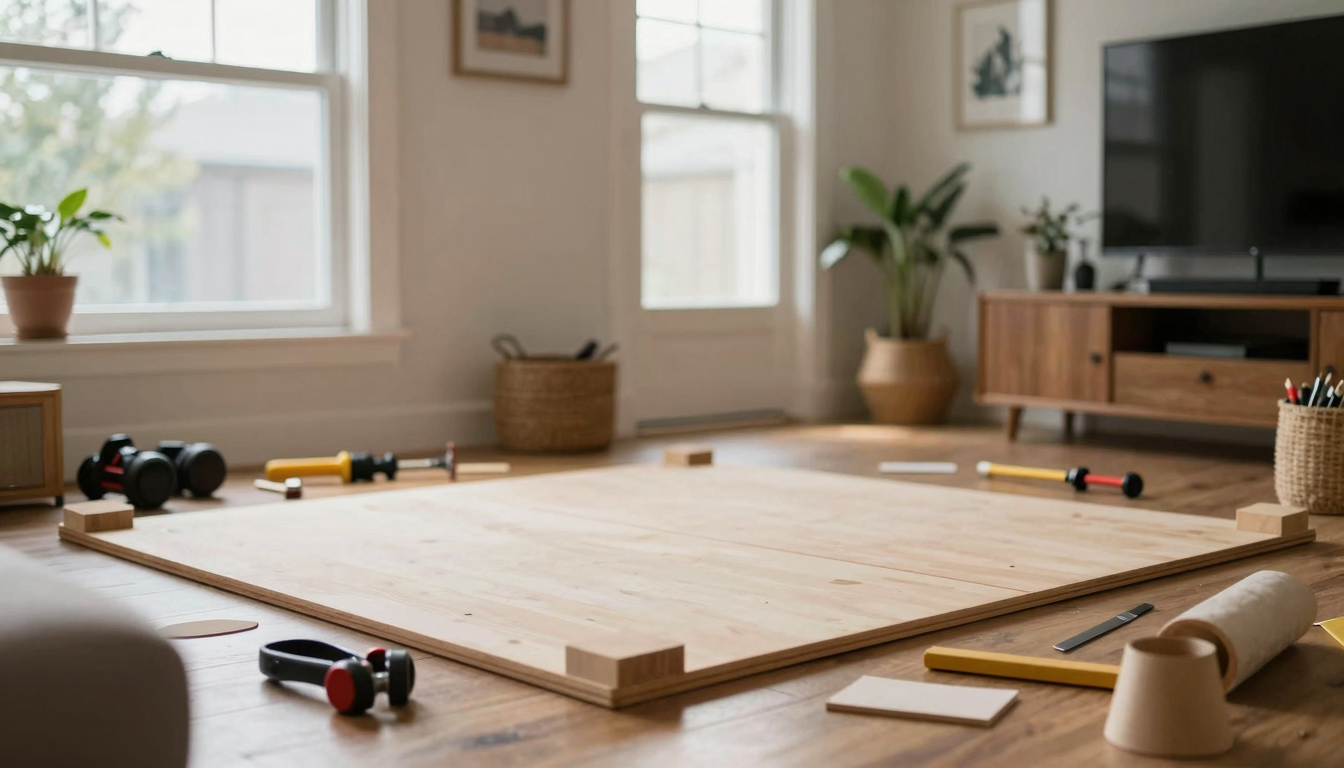
Let me tell you about the time I turned our family room into a ninja warrior training ground,on a budget, with materials I already had, and without losing my mind. (Mostly.) It started on a particularly dreary Saturday in February when my kids were bouncing off the walls after two days of being cooped up inside. I’d just finished patching a hole in the drywall from their last “indoor adventure” (see: my guide to fixing drywall like a pro), and I was desperate for something that would tire them out and keep them from redecorating the walls with their bodies.
That’s when I remembered the old wooden pallets stacked in the garage, the pool noodles gathering dust in the basement, and the fact that my husband had somehow accumulated enough bungee cords to secure a small ship. Suddenly, I had a plan. And by “plan,” I mean I scribbled a rough sketch on a napkin while my kids argued over who got to be the “obstacle course designer” (spoiler: it was me, but they got to test everything first).
Why I Built an Indoor Obstacle Course (And Why You Should Too)
I’ll be honest,my first thought wasn’t about fitness or creativity. It was pure survival. But after a few chaotic test runs, I realized this thing was actually useful. Here’s what I’ve learned since then:
- It’s a workout in disguise. My kids don’t realize they’re doing cardio when they’re crawling through a tunnel made of cardboard boxes or balancing on a 2×4 I propped up on stacks of my trusty sawhorses. Meanwhile, I’m over here pretending to “supervise” while secretly doing squats whenever I bend down to adjust something.
- It’s a creativity booster. Nothing sparks imagination like a pile of random household items and the challenge of turning them into something fun. My 7-year-old designed a “laser maze” using yarn strung between chairs. (It took me an hour to untangle it afterward, but it was worth it.)
- It’s a rainy-day lifesaver. We’ve used this course on more gloomy afternoons than I can count. It’s become our go-to when the kids are restless and I’m fresh out of “fun” ideas. (Pro tip: Rotate the obstacles every few weeks to keep it fresh. Last week, we added a “cargo net” made from an old hammock and some rope. It’s held up better than I expected,though I may have to patch another hole soon.)
- It’s a stealthy way to teach problem-solving. Kids figure out how to navigate the course, adjust when they fall, and strategize how to beat their own time. (And yes, I’ve caught them timing each other with a stopwatch. Competitive little monsters.)
Oh, and it’s free. Or close to it. The most expensive part was the foam floor mats I bought to cushion the landing when my 5-year-old face-planted off the balance beam. (Lesson learned: Always have a first-aid kit nearby. And maybe a video camera, because kids are hilarious when they’re dramatic.)
What You’ll Need to Build Your Own (No Hardware Store Haul Required)
Before you panic and think you need to buy out Home Depot, let me stop you. I built 80% of our course with stuff we already had lying around. Here’s what worked for us:
The Basics (Check Your Garage First)
- Cardboard boxes – Free from Amazon deliveries or grocery stores. We used them for tunnels, ramps, and even a “fort” obstacle. (Pro tip: Reinforce them with duct tape if the kids are rough. Which they always are.)
- Wooden pallets or 2x4s – If you don’t have pallets, check local Facebook Marketplace groups or ask at hardware stores. They often give them away for free. We used ours to build a low balance beam and a climbing wall.
- Pool noodles or PVC pipes – Great for “laser” obstacles or as handles for a rope climb. (I used zip ties to attach pool noodles to the wall for a makeshift “monkey bars” setup.)
- Old blankets or sheets – Drape them over chairs to make a “tunnel” or a “spider web” to crawl under. Bonus: They’re soft if someone face-plants.
- Cushions, pillows, or foam mats – For safety. I bought a few cheap foam tiles from a discount store, but you can also use couch cushions or even a stack of folded towels.
If You Want to Splurge (Just a Little)
- Bungee cords or rope – For climbing or securing obstacles. I used these heavy-duty bungees from the hardware store, and they’ve held up great.
- Carabiner clips – If you’re getting fancy with a rope climb or cargo net. (I found a pack of 10 for under $10, and they’ve been a game-changer.)
- Non-slip mats or yoga mats – To prevent the balance beam from sliding around. Trust me, nothing kills the fun like a wobbly 2×4.
Oh, and if you’re feeling really ambitious, grab a can of spray paint to jazz up the wood. My kids helped “decorate” their obstacles, and while the results were… abstract, they loved it. (I may or may not have let them paint a “danger: dragons ahead” sign on the tunnel. Priorities.)
Planning Your Layout: How I Designed a Course That Fits in Our Living Room
Here’s the thing about indoor obstacle courses: They don’t need to be elaborate to be fun. In fact, the best ones are the ones that fit your space and your family’s energy levels. Our living room is about 12×15 feet, and we’ve managed to fit in:
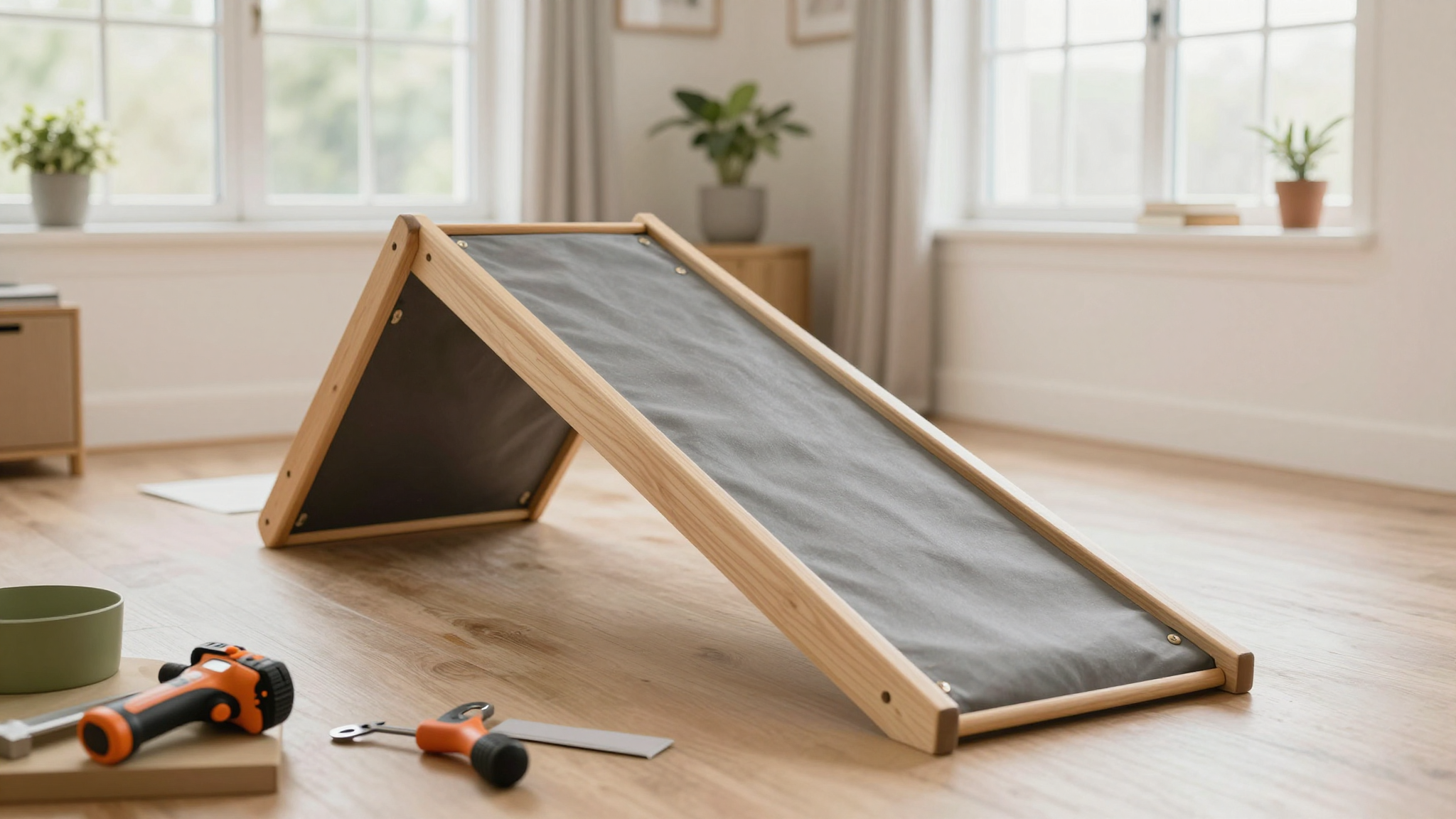
- A “crawl-through tunnel” (cardboard boxes taped together)
- A balance beam (a 2×4 propped up on stacks of books,yes, really)
- A “climbing wall” (a bookshelf with rope tied to the top for pulling up)
- A “laser maze” (yarn strung between chairs)
- A “finish line” (a strip of painter’s tape on the floor)
I started by sketching a rough layout on paper, but honestly, half of it was figured out as we went. Here’s what I learned:
Space-Saving Tips for Small Rooms
We don’t have a giant playroom, so I had to get creative. Here’s how:
- Use vertical space. Our “climbing wall” is just a bookshelf with rope tied to the top. The kids pull themselves up (or, more accurately, flail dramatically until they make it). It’s not fancy, but it works.
- Foldable obstacles are your friend. I made a balance beam out of a 2×4 and two sawhorses. When we’re not using it, the beam leans against the wall, and the sawhorses fold flat. (I keep them handy for other projects too.)
- Repurpose furniture. Chairs, ottomans, and even the coffee table became part of the course. Last week, the kids turned the couch into a “fort” obstacle. I may have joined in. No judgment.
Oh, and if you’re worried about damage, don’t be. Yes, we’ve had a few close calls (see: the time my son launched himself off the balance beam and landed on the cat, who was not amused), but so far, the only casualty has been my sanity. And a few couch cushions.
5 Obstacle Ideas to Get You Started (With Real-Life Examples)
You don’t need a Pinterest-perfect setup to have fun. Here are five simple obstacles that worked for us, along with the “oops” moments that taught me a thing or two.
1. The Cardboard Box Tunnel
We taped together three large cardboard boxes to make a crawl-through tunnel. It was a hit,until my daughter decided to “decorate” the inside with stickers. Now it’s a “secret spy tunnel,” and she won’t let anyone touch it. (I’ve learned to pick my battles.)
2. The 2×4 Balance Beam
This was my husband’s idea, and I was skeptical. But after propping a 2×4 on two stacks of books (yes, books), it actually worked! The kids love trying to cross it without falling. (I may have added a “penalty” of 10 jumping jacks if they touch the floor. It’s amazing how motivated they get.)
Lesson learned: Use non-slip mats or yoga mats under the beam. The first time we tried it, the 2×4 slid out from under my son, and he went down like a sack of potatoes. No tears, but I did add mats after that.
3. The Rope Climb (aka The Bookshelf Pull-Up)
We tied a rope to the top of our bookshelf and let the kids pull themselves up. It’s not a real climbing wall, but it works for their age. (I may or may not have tried it myself and immediately regretted it. My arms are not what they used to be.)
4. The Yarn “Laser Maze”
This was my 7-year-old’s idea. We strung yarn between chairs at different heights, and the kids have to crawl or limbo under it without touching the “lasers.” It’s silly, but they love it. (I’ve also used it as a “quiet time” challenge,if they can make it through without touching the yarn, they get an extra 10 minutes of screen time.)
5. The Cushion Jump
Pillows, couch cushions, or even a stack of folded towels make a great soft landing spot. The kids jump from the couch to the cushions (or, in my son’s case, onto the cushions with a dramatic flop). It’s low-impact but still a workout.
Pro tip: If you have a staircase, turn it into part of the course! My kids love “climbing the mountain” (aka the stairs) as their final challenge.
Safety First: How to Avoid the “ER Trip” (Speaking from Experience)
Let’s be real,kids are going to fall. It’s part of the fun. But you can minimize the chaos with a few simple rules. Here’s what I’ve learned the hard way:
1. Soft Landing Zones Are Non-Negotiable
I learned this after my daughter attempted a “somersault dismount” off the balance beam and landed on the hardwood floor. (She was fine, but I was not.) Now, I keep foam mats, pillows, or even a folded blanket nearby for every obstacle. If you don’t have mats, a stack of towels works in a pinch.
2. Secure Everything (Or Regret It Later)
Our first attempt at a rope climb involved tying the rope to a chair. Big mistake. The chair slid across the room, and my son ended up in a heap on the floor. Now, I only use anchors that are bolted to the wall or heavy enough not to move (like a bookshelf or a sturdy table).
3. Supervise, But Don’t Hover
I’ve found that kids take more risks when they think you’re not watching. So I’ll “casually” sit on the couch with my phone, but I’m really keeping an eye on them. (I’ve also been known to film their attempts for blackmail… er, I mean, “future nostalgia.”)
4. Start Small and Build Up
My 5-year-old tried to tackle the rope climb on day one and ended up in tears. Now, we start with easier obstacles (like crawling through the tunnel) and gradually add harder ones. It keeps them engaged without overwhelming them.
5. Have a First-Aid Kit Ready
This is a given, but I’ll say it anyway. Band-Aids, antiseptic wipes, and ice packs are your best friends. (I keep ours in a small bin near the course for easy access. Trust me, you’ll need it.)
Oh, and if your kids are anything like mine, they’ll turn the obstacle course into a “ninja training camp.” Embrace it. The more dramatic, the better.
Making It Multi-Functional: Because Why Not?
Here’s the thing about obstacle courses: They don’t just have to be for fun. They can also be:
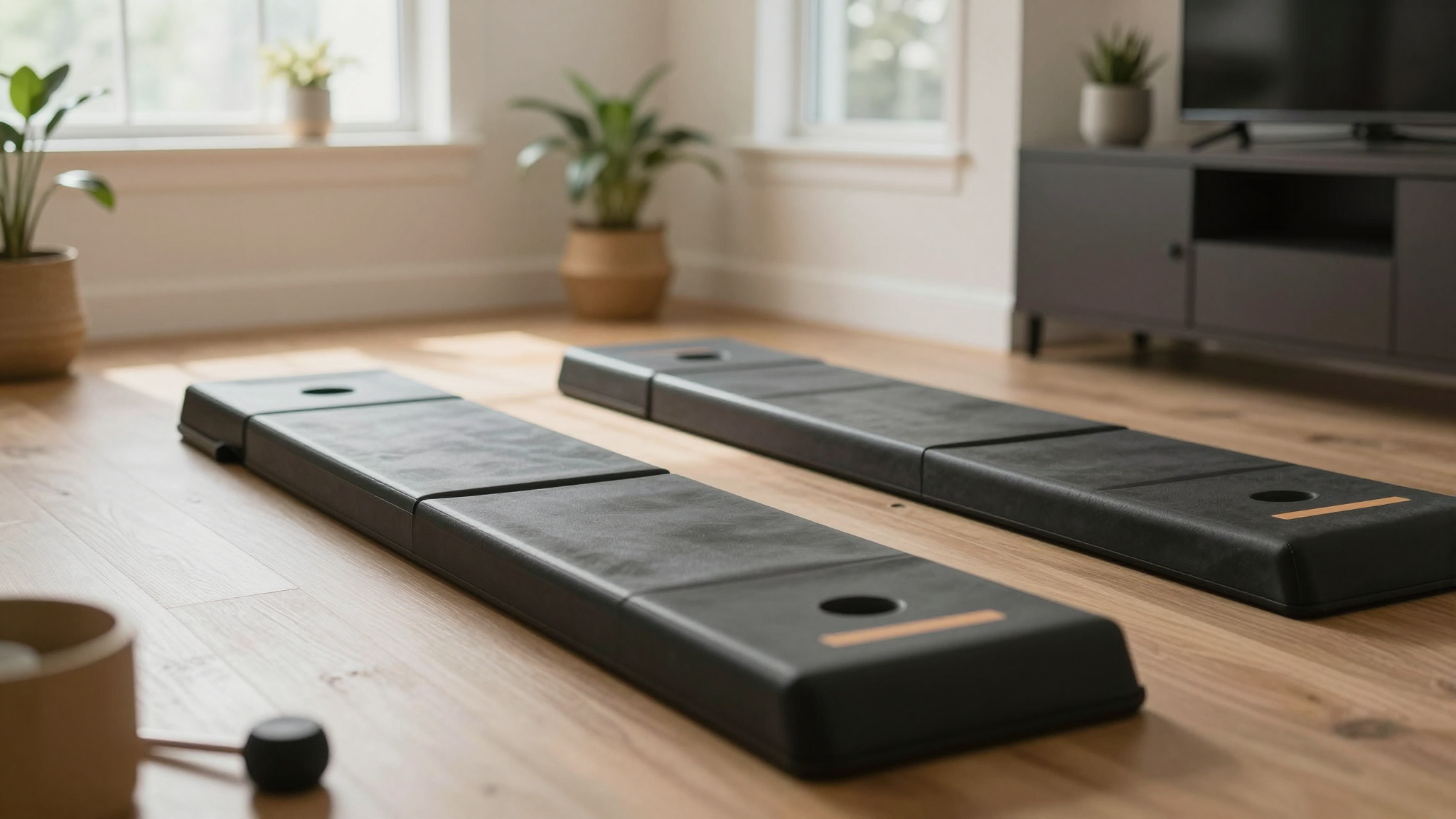
1. A Home Gym
I’ve started using the balance beam for my own workouts,step-ups, lunges, you name it. The kids think it’s hilarious when I attempt the rope climb (and fail spectacularly). But hey, it’s a workout, right?
2. A Family Game Night Upgrade
We’ve turned the course into a relay race during game nights. Teams compete to complete the course the fastest, and the winners get to pick the next family movie. (Spoiler: They always pick the same movie. But it’s worth it.)
3. A Storage Solution
I keep a bin nearby for all the obstacle course “props”,ropes, mats, pool noodles. It’s also where I toss the kids’ shoes, backpacks, and whatever else they leave lying around. Out of sight, out of mind.
4. A Creative Outlet
Let the kids help design new obstacles. My daughter invented a “bridge of doom” (a plank of wood balanced on two stools) and a “dragon’s lair” (a fort made of blankets and chairs). The more ridiculous, the better.
Pro tip: If you’re short on space, consider using a wall for climbing or balance challenges. We’ve used wainscoting to create a low “wall” for the kids to climb over. (It’s also a great way to hide scuff marks from their shoes.)
Taking It to the Next Level (Or Not,No Pressure)
Here’s the thing about DIY obstacle courses: They don’t have to be perfect. They don’t even have to be pretty. What matters is that they’re fun. And if you’re anything like me, you’ll start with a simple setup and gradually add more challenges as you go.
Last week, my husband and I turned the course into a “ninja warrior” competition for the kids. We timed them, gave out silly prizes (like “Most Dramatic Fall”), and even let them design their own obstacles. It was chaos. It was loud. And it was worth it.
So if you’re thinking about building your own indoor obstacle course, my advice is this: Start small. Use what you have. And don’t worry about making it Pinterest-perfect. The best courses are the ones that get used,again and again,until the kids outgrow them (or until you finally admit defeat and let them take over).
Now, if you’ll excuse me, I need to go supervise. I think my son just turned the coffee table into a “launchpad.” Wish me luck.
FAQ
What are the benefits of building an indoor obstacle course?
Honestly? It’s a way to tire out your kids without leaving the house. But seriously, it’s great for:
- Burning off energy (yours and theirs)
- Encouraging creativity (they’ll come up with obstacles you never would’ve thought of)
- Teaching problem-solving (how do you get from point A to point B without falling?)
- Getting everyone moving (even if you’re just “supervising” from the couch)
And if you’re like me, it’s also a stealthy way to avoid cleaning the house for a few hours.
What kind of materials do I need to build an indoor obstacle course?
You’d be surprised what you already have lying around. Start with:
- Cardboard boxes (for tunnels or ramps)
- Wooden pallets or 2x4s (for balance beams or climbing walls)
- Pool noodles or PVC pipes (for “lasers” or handles)
- Old blankets or sheets (for tunnels or forts)
- Cushions or foam mats (for safety)
If you want to splurge, grab some bungee cords or rope for climbing challenges. But honestly, the kids will have just as much fun with a pile of pillows and a chair.
How do I plan the layout of my indoor obstacle course?
Start by measuring your space. Then, sketch a rough layout on paper (or, like me, on a napkin). Think about:
- How to use vertical space (like a bookshelf for climbing)
- How to make obstacles foldable or movable (so you can store them when not in use)
- Where to place soft landing zones (because someone will fall)
And if you’re really stuck, just let the kids take over. They’ll figure it out faster than you will.
What are some basic components of an indoor obstacle course?
You don’t need anything fancy. Here are a few ideas to get you started:
- A tunnel (cardboard boxes or blankets over chairs)
- A balance beam (a 2×4 propped up on stacks of books)
- A climbing challenge (rope tied to a bookshelf or a low “wall” to crawl over)
- A soft landing zone (pillows, foam mats, or a stack of towels)
Mix and match these based on your space and your kids’ ages. And don’t forget the “finish line”,a strip of tape on the floor works just fine.
How do I assemble my indoor obstacle course?
Start with the easiest obstacles (like a tunnel or a balance beam) and build up from there. Test each one as you go to make sure it’s stable and safe. And if something doesn’t work, don’t be afraid to scrap it and try something new. (I’ve had to rethink more than one obstacle when it turned out to be a disaster waiting to happen.)
How can I make my indoor obstacle course suitable for different skill levels?
Start with simple challenges for younger kids (like crawling through a tunnel) and add harder ones for older kids (like a rope climb or a higher balance beam). You can also adjust the difficulty by changing the height of obstacles or adding time limits. And if someone gets frustrated, it’s okay to make it easier. The goal is fun, not perfection.
What safety tips should I keep in mind when building an indoor obstacle course?
Safety is key, but it doesn’t have to be complicated. Here’s what I do:
- Use soft landing zones (foam mats, pillows, or towels)
- Secure obstacles so they don’t wobble or slide (I’ve learned this the hard way)
- Supervise, but don’t hover (let them take risks, but be ready to catch them)
- Start small and build up (don’t let them tackle the rope climb on day one)
- Have a first-aid kit ready (because someone will get a scrape)
And if all else fails, just be prepared to laugh when they face-plant. It happens to the best of us.
How can I make my indoor obstacle course multi-functional?
Think outside the box! Here are a few ways we’ve used ours:
- As a home gym (I do step-ups on the balance beam)
- For family game nights (relay races, timed challenges)
- As a storage solution (we keep all the “props” in a bin nearby)
- As a creative outlet (the kids design their own obstacles)
The more you use it, the more ideas you’ll come up with. And if you’re really ambitious, you can even turn it into a themed challenge (like a “jungle adventure” or a “space mission”). The kids will love it.