September is here, the kids are back in school, and that brisk autumn air is officially rolling in. While I love pulling out cozy sweaters and lighting cinnamon candles, early fall always reminds me of a chilly weekend when my husband and I forgot to disconnect our garden hose before a hard freeze. That single mistake led to a burst pipe inside our wall and a very expensive mess, which is why our annual fall home maintenance checklist is now a top priority in our house.
Taking a few weekend afternoons to prepare your home prevents costly emergencies, lowers your winter utility bills, and keeps your family safe and comfortable all season long. To help you get your home ready before freezing temperatures arrive, I have put together the ultimate 15-step checklist covering everything from rooflines to outdoor plumbing.
Fall Home Maintenance Checklist at a Glance
If you like having a visual roadmap before diving in, this summary table outlines all 15 tasks by estimated time, difficulty level, and key tools needed. Spreading these jobs across two or three weekends in September makes autumn home prep completely stress-free.
| Maintenance Task | Estimated Time | Difficulty | Key Tools Needed |
|---|---|---|---|
| 1. Clean Gutters and Downspouts | 2 to 3 hours | Moderate | Ladder, gutter scoop, garden hose, bucket |
| 2. Inspect Roof from the Ground | 30 minutes | Easy | Binoculars, notepad |
| 3. Seal Drafts with Weatherstripping | 1 to 2 hours | Easy | Adhesive foam tape, door sweeps, scissors |
| 4. Caulk Windows and Exterior Trim | 2 to 3 hours | Moderate | Caulk gun, exterior silicone caulk, putty knife |
| 5. Replace Furnace Filter and Book HVAC Tune-Up | 1 hour + Pro Visit | Easy / Pro | MERV filter, licensed HVAC technician |
| 6. Test Smoke and CO Detectors | 30 minutes | Easy | Fresh batteries, microfiber cloth |
| 7. Inspect and Clean Dryer Vent | 1 hour | Moderate | Rotary brush kit, drill, shop vacuum |
| 8. Reverse Ceiling Fan Direction | 15 minutes | Easy | Step stool, dusting cloth |
| 9. Drain and Shut Exterior Hose Bibs | 45 minutes | Easy | Pliers, insulated faucet covers |
| 10. Winterize In-Ground Sprinklers | 1 to 2 hours | Pro Recommended | Air compressor or blowout service |
| 11. Rake, Aerate, and Overseed Lawn | 3 to 4 hours | Moderate | Rake, core aerator, grass seed, fertilizer |
| 12. Clean and Store Patio Furniture | 2 hours | Easy | Mild soap, scrub brush, protective covers |
| 13. Chimney and Fireplace Inspection | 1 to 2 hours | Pro Recommended | Flashlight, certified chimney sweep |
| 14. Seal Driveway and Walkway Cracks | 2 hours | Moderate | Wire brush, asphalt or concrete crack filler |
| 15. Prep Snow Removal Gear | 1 to 2 hours | Moderate | Snow shovel, pet-safe ice melt, fresh fuel |
Protecting Your Exterior Envelope and Roofline
Your home exterior takes the brunt of harsh winter weather. Heavy snow, ice dams, and freezing rain will exploit any small gaps or loose shingles. Tackling exterior jobs while early autumn weather is mild makes the work quick and pleasant.
1. Clean Out Gutters and Flush Downspouts
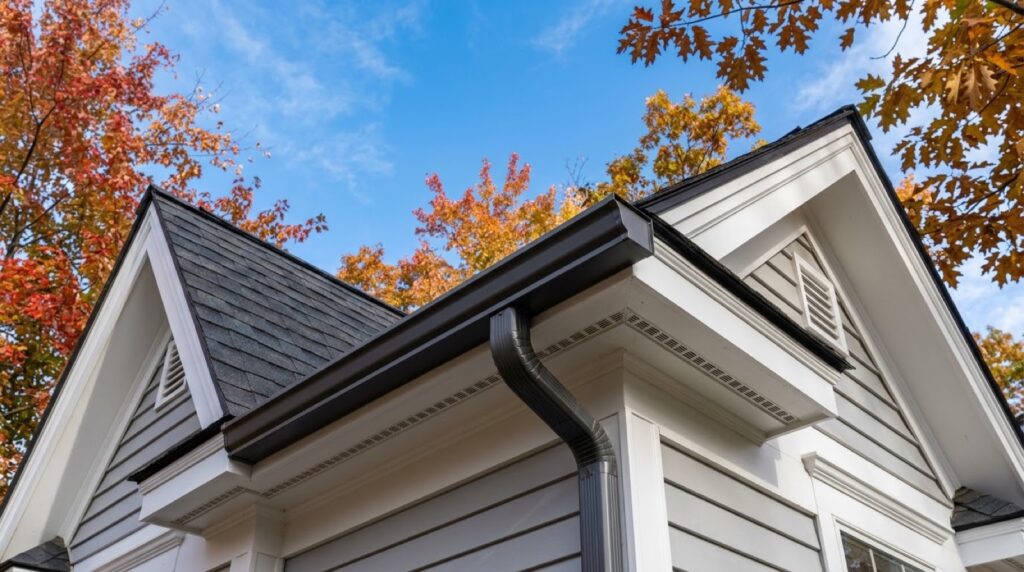
Clogged gutters full of autumn leaves and twigs prevent rainwater and melting snow from draining. When water backs up and freezes, heavy ice dams can tear gutters off your fascia and force water beneath your roof shingles.
Set an extension ladder on firm, level ground with a ladder stabilizer. Wear thick gloves and scoop damp debris into a bucket using a plastic trowel. Once the troughs are clean, run your garden hose at high pressure to flush downspouts and ensure water discharges at least five feet away from your foundation. For more maintenance strategies, read our guide on how to clean and maintain gutters like a pro.
2. Inspect Your Roof Safely from the Ground
Climbing onto a steep roof is risky and unnecessary for an initial seasonal check. Instead, grab a pair of binoculars and inspect your roofline from your yard on a bright, sunny afternoon.
Scan for curled, cracked, or missing shingles, as well as rusted flashing around chimneys and plumbing vents. If you notice significant storm damage or loose flashing, do not try to fix steep roof pitches yourself. Contact a licensed roofing contractor who has proper fall-protection gear and professional experience.
3. Seal Drafty Doors and Windows with Weatherstripping
Cold drafts make living spaces chilly and cause heating systems to cycle constantly. Replacing cracked or flattened weatherstripping is one of the fastest, most affordable ways to lower winter energy costs.
Check for air leaks by holding a lit tea candle or incense stick along window and door frames on a windy day. If the flame flickers, apply self-adhesive foam tape along window sashes, install durable rubber V-strip along door jambs, and screw a heavy-duty rubber sweep to the bottom of exterior doors. Check out our step-by-step tutorial on sealing drafts around doors and windows for detailed instructions.
4. Caulk Exterior Gaps, Siding, and Trim
Wood, brick, and vinyl siding expand and contract with seasonal temperature changes, opening small gaps around window trim, electrical boxes, and water spigots. Water that penetrates these openings freezes, expands, and damages structural framing.
Walk around your perimeter with a tube of high-performance exterior silicone caulk. Scrape away old, crumbling sealant with a 5-in-1 tool, clean the seam, and lay down a smooth, steady caulk bead. Smooth the bead with a damp finger for a clean, watertight seal. For material recommendations, check out the ultimate guide to caulking windows and doors.
Heating, Airflow, and Indoor Safety Checks
Once your exterior envelope is sealed, focus on indoor comfort and safety. Preparing your heating system ensures your home stays warm and safe during the coldest winter cold snaps.
5. Replace Furnace Filter and Book HVAC Tune-Up
After a long summer of running the air conditioner, your furnace filter is likely loaded with dust, pollen, and pet hair. A dirty filter restricts airflow, strains the blower motor, and spikes heating bills.
Slide out the dirty filter and install a fresh pleated MERV 8 or MERV 11 filter suited to your system. Plan to inspect it every 30 to 60 days throughout winter. Additionally, schedule an annual professional furnace inspection. A licensed technician will clean burners, inspect the heat exchanger for dangerous cracks, and verify proper gas pressure. Read our comprehensive guide on when and how to change your furnace filter for maximum efficiency.
Safety Note: Always hire a licensed HVAC professional for gas line service, burner adjustments, and combustion testing. DIY repairs on gas appliances or electrical heating units carry severe fire and carbon monoxide risks.
6. Test Smoke and Carbon Monoxide Detectors
Home heating systems and indoor fireplaces increase residential fire risks during fall and winter. Ensuring that every alarm functions properly is an essential life-safety step on your seasonal checklist.
Press and hold the test button on every unit across all levels of your home until the alarm sounds. Vacuum away dust from the sensor vents and replace old 9V or AA batteries with fresh ones. Remember that smoke alarms should be replaced every 10 years and carbon monoxide units every 5 to 7 years. Learn more in our guide on testing and replacing smoke detector batteries.

7. Inspect and Clean the Dryer Vent
Colder weather means washing heavy blankets and bulky layers, causing excess lint to accumulate in your dryer duct. Blocked dryer vents present a serious fire hazard and increase drying times.
Unplug the dryer, slide it away from the wall, and disconnect the exhaust duct. Use a rotary vent cleaning brush attached to a cordless drill to loosen lint buildup along the duct path to the outside wall. Vacuum the loosened lint, reconnect the duct securely with a metal hose clamp, and verify the outdoor damper flap moves freely.
8. Reverse Ceiling Fan Direction to Clockwise
Most ceiling fans have a small directional switch on the motor housing. Switching your blades to run clockwise on low speed creates a gentle updraft that pushes warm air trapped at the ceiling down into your living areas.
This simple trick redistributes heated air evenly throughout the room without creating a cooling breeze, allowing you to turn down the thermostat a couple of degrees while staying perfectly comfortable.
Outdoor Plumbing and Yard Preparation
Water expands when it freezes, exerting immense pressure inside metal and plastic pipes. Spending less than an hour winterizing outdoor plumbing prevents thousands of dollars in water damage.
9. Drain and Shut Exterior Hose Bibs
Disconnect all garden hoses, brass splitters, and timers from exterior spigots before the first freeze. Drain residual water from hoses and coil them in your garage or shed.
Locate the indoor shut-off valves for outdoor faucets (typically in the basement or utility room), close them, and open the outdoor spigots so remaining water drains completely. Slip an insulated foam faucet cover over each outdoor bib for added protection against freezing wind.
10. Winterize In-Ground Sprinkler Systems
Residual water trapped inside in-ground sprinkler pipes, zone valves, and backflow preventers will freeze and crack underground lines during winter freezes.
Unless you own high-volume industrial compressed air equipment, hire an irrigation specialist to blow out your lines. A certified technician will connect to your system manifold, purge each zone safely, and shut down the control box for the off-season.
11. Rake, Aerate, and Overseed the Lawn
Thick layers of damp, matted leaves block sunlight and suffocate grass, creating ideal conditions for lawn fungus under winter snow cover. Rake or mulch leaves regularly throughout autumn.
Early fall is also the ideal window to aerate compacted soil using a rented core aerator. Spread high-quality cool-season grass seed over bare spots and apply a slow-release fall lawn fertilizer rich in potassium to build hardy root systems before winter freezes the soil.
12. Clean, Cover, and Store Patio Furniture and Grills
Winter moisture and freezing temperatures can crack plastic, rust metal, and degrade outdoor cushions. Cleaning and protecting your patio set in autumn extends its lifespan significantly.
Wash furniture frames with warm soapy water, allow cushions to dry thoroughly in the sun, and pack cushions into storage bins. Place weather-resistant fitted covers over tables and chairs. Clean your grill grates, disconnect the propane tank, and store the tank upright in a well-ventilated outdoor shed or covered outdoor area.
Chimneys, Driveways, and Snow Season Preparation
Getting your fireplace, driveway, and winter snow gear ready before the first major storm keeps your home cozy and prevents cold-weather scrambles.
13. Schedule a Chimney Inspection and Fireplace Cleaning
Burning wood produces creosote, a highly flammable byproduct that coats the interior walls of your chimney flue. A heavy creosote layer can easily spark a dangerous chimney fire.
Hire a certified chimney sweep to inspect your chimney structure, clear creosote deposits, and check for cracked flue tiles or damper defects. A professional ensures your fireplace vents smoke cleanly and operates safely all season.
Safety Note: Always hire a certified chimney sweep for wood-burning inspections and venting maintenance. Certified technicians have specialized cameras and protective gear to evaluate structural chimney safety.
14. Inspect and Seal Driveway and Walkway Cracks
Small cracks in asphalt or concrete allow autumn rainwater to seep deep beneath the surface. When that water freezes into ice, it expands and turns hairline cracks into large, crumbling potholes.
Scrub weeds and dirt from cracks with a wire brush, rinse the area clean, and allow it to dry. Fill asphalt gaps with a flexible rubberized crack sealant, or use masonry repair caulk for concrete walkways. Sealing gaps now saves you from costly driveway resurfacing in the spring.
15. Prep Snow Removal Gear and Restock Winter Supplies
Do not wait until the first winter blizzard to discover your snow blower will not start. Inspecting your snow equipment in early fall saves time and frustration.
Change your snow blower oil, install a fresh spark plug, and add fresh stabilized fuel to test the motor. Check your snow shovels for cracked blades and stock up on pet-safe calcium chloride ice melt before store shelves empty out during the first winter rush.
Our Top 10 Picks for Fall Maintenance Tools and Supplies
Having the right tools on hand makes completing your seasonal maintenance checklist fast and budget-friendly. Here are our top 10 recommended tools and supplies for autumn home care:
- Gutter Cleaning Scoop and Tongs Tool: This flexible curved scoop lets you clear packed leaves around gutter brackets without scraping your knuckles. Typical price range: $12 to $25.
- High-Density Foam Weatherstripping Tape: Perfect for sealing irregular gaps around drafty window frames and basement doors to slash winter heating bills. Typical price range: $8 to $18 per roll.
- All-Weather Exterior Silicone Caulk: A 100% waterproof and weatherproof sealant that stays permanently flexible through freezing winter temperatures. Typical price range: $9 to $16 per tube.
- Pleated MERV 8 HVAC Furnace Filters: These multi-pack pleated filters capture airborne dust, pollen, and pet dander while maintaining optimal airflow for your furnace. Typical price range: $30 to $55 for a pack of four.
- Combination Smoke and Carbon Monoxide Alarm: A reliable dual-sensor alarm with a 10-year sealed battery that provides constant protection against heating hazards. Typical price range: $35 to $65 each.
- Insulated Outdoor Faucet Cover Pouch: Heavy-duty freeze protection socks that strap snugly over outdoor spigots to block sub-zero wind chills. Typical price range: $12 to $22 for a 2-pack.
- Flexible Rotary Dryer Vent Cleaning Kit: An extendable brush system that connects to any household drill to scour dangerous lint buildup from long duct runs. Typical price range: $20 to $38.
- Rubberized Driveway Crack Filler: An easy-pour elastomeric sealant that bonds to asphalt and concrete to prevent water infiltration and freeze-thaw damage. Typical price range: $14 to $28 per jug.
- Heavy-Duty Waterproof Patio Furniture Covers: Durable Oxford fabric covers with windproof tie-down straps to protect patio tables and chairs from snow and ice. Typical price range: $28 to $65 each.
- Ergonomic Snow Shovel with Wear Strip: A curved-handle snow pusher designed to reduce back strain during heavy winter snow clearing. Typical price range: $25 to $50.
Frequently Asked Questions
When should I start working on my fall home maintenance checklist?
Early September is the best time to start your seasonal maintenance. Outdoor temperatures are comfortable for caulking and roof checks, and contractors like chimney sweeps and HVAC pros have open schedules before the busy late-autumn rush.
What is the most important fall home maintenance task to avoid costly damage?
Draining and shutting off outdoor hose bibs is the most critical task. A single frozen spigot can burst interior plumbing pipes, causing severe water damage behind finished walls and in basements.
Do I really need to hire a professional to service my furnace every year?
While homeowners can easily swap their own air filters, scheduling an annual professional inspection is essential for safety. A licensed technician checks safety shut-off switches, inspects heat exchangers for cracks, and optimizes combustion efficiency.
How often should I clean my gutters during the autumn season?
In most homes, gutters should be cleaned twice in the fall: once after the first major leaf drop and again in late autumn when trees are bare. If you have dense pine trees or tall oaks, you may need monthly cleanings.
What temperature is too cold for applying exterior caulk and driveway crack filler?
Most exterior sealants and crack fillers need steady temperatures of at least 45 to 50 degrees Fahrenheit for 24 hours to cure properly. Complete your exterior sealing projects on a dry autumn afternoon before overnight freezes begin.
Final Thoughts: Embracing a Cozy, Worry-Free Winter
Tackling seasonal home maintenance does not have to feel overwhelming when you break tasks into small weekend projects. By working through this fall home maintenance checklist across September and October, you protect your biggest investment while keeping your home comfortable all winter.
Turn on some favorite music, get the whole family involved with simple tasks, and enjoy the satisfaction of a well-prepared home. When the first winter snow starts falling, you can relax by the fireplace knowing your home is safe, warm, and ready for the season ahead.