Annual Deck Maintenance: My Real-Life Tips to Prevent Rot and Keep It Beautiful
Every spring, I stand on my deck with a cup of coffee, surveying the damage from another winter. Last year, I found three boards with soft spots from trapped snowmelt, a rusted screw that nearly took my toe off, and enough mildew to make my outdoor furniture look like it belonged in a horror movie. That’s when I realized – annual maintenance isn’t just about looks, it’s about safety and saving money on big repairs down the road.

I’ve learned the hard way that wood decks need more attention than composite ones, but neither material is truly “maintenance-free.” The key is catching small issues before they become expensive problems. My deck maintenance routine has evolved over the years – from my first attempt where I pressure-washed everything (including my husband’s prized grill cover) to my current system that actually keeps our deck looking great with minimal effort.
Here’s exactly what I do each year, including the mistakes I’ve made and the tools that have saved me countless hours of frustration.
When to Do Annual Deck Maintenance (According to My Weather App)
I used to try to tackle deck maintenance in the middle of summer, thinking the warm weather would help everything dry faster. Big mistake. The first time I did this, I spent all day cleaning and sealing, only to have a sudden thunderstorm roll in that night. The next morning, my beautiful fresh sealant was bubbling up like a science experiment gone wrong.
Now I wait for that perfect stretch of dry, mild weather – usually late spring or early fall when temperatures hover around 60-70°F. Low humidity is key because it helps cleaners rinse properly and sealants bond to the wood. I check the 5-day forecast religiously and won’t start until I’m certain we won’t get rain for at least 48 hours. That buffer time is crucial – I’ve learned that the hard way after sealing our deck when a cold front moved in unexpectedly.
Pro tip: If you’re working in cooler weather, consider using a space heater in your garage to dry tools and materials between uses. I keep one running when I’m prepping for deck season, and it makes a huge difference in drying times.
Inspecting My Deck: What I Look For (And What I’ve Missed)
Before I even think about cleaning, I do a thorough inspection. Last year, I nearly skipped this step because I was eager to get to the fun part (sealing). That was a mistake – I found a board with dry rot that I hadn’t noticed before, and it required replacing three boards instead of just one.
Here’s my inspection checklist:
- Boards: I look for soft spots (they feel spongy when pressed), cracks, splinters, cupping (where the edges curl up), and warping. I also check for that telltale “hollow sound” when I tap on boards with my foot.
- Fasteners: I run my hands along the railings and check for loose nails or screws. Rusty fasteners are a red flag – they can pop out and create trip hazards.
- Structural connections: I shake the guardrails and posts to make sure everything is secure. I also check the ledger board (where the deck attaches to the house) for any separation.
- Ground contact areas: These are prime spots for rot. I look for any wood that’s darkened or feels damp to the touch.
- Pest activity: I check for tiny holes or sawdust-like frass that might indicate termites or carpenter ants.
I document everything with photos and notes on my phone. This helps me prioritize repairs and gives me a baseline to compare next year’s inspection. Last year, I noticed some minor cupping that I thought I could ignore. By this year, it had progressed to full-blown warping, and I had to replace two boards. Lesson learned: if it’s not perfect, it’s probably getting worse.
Clearing the Deck: What I Move and Why
Before I can clean anything, I need to clear the deck. This is where I make sure to move everything – furniture, grills, planters, even those cute solar lights I love so much. I learned this the hard way when I left my husband’s grill in place and ended up with a perfect outline of where it had been after sealing.
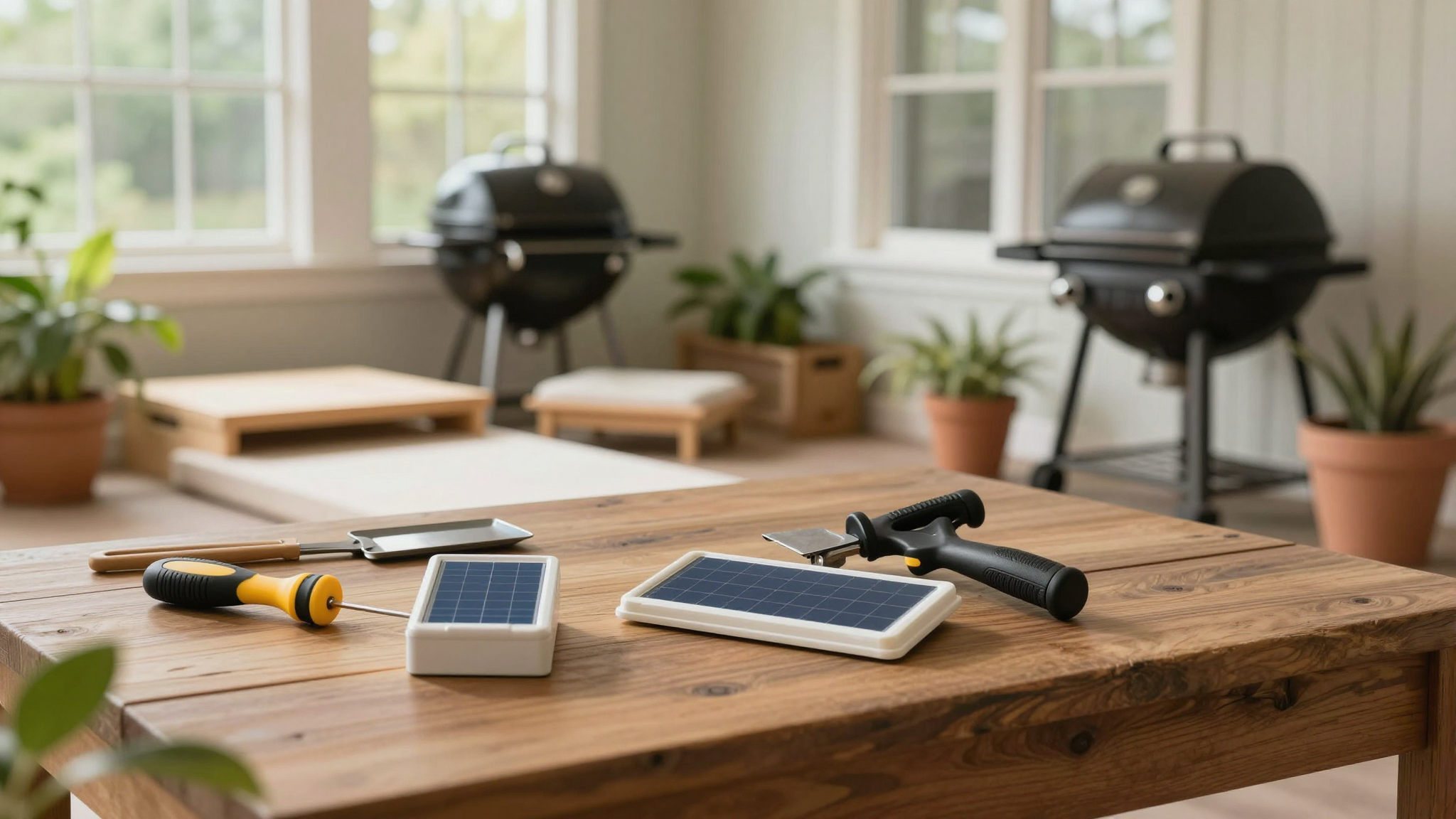
Here’s my system:
- I move all furniture to the lawn. I use furniture sliders to make this easier – they’re worth every penny when you’re dealing with heavy patio sets.
- I take down the awning and store it in the garage. The fabric can trap moisture and mildew if left up during cleaning.
- I remove all planters and pots. I’ve had too many incidents where cleaners dripped onto plants and caused leaf burn.
- I sweep the entire deck with my stiff-bristle push broom. This removes loose debris and prevents it from getting caught in the wood grain during cleaning.
I also protect the surrounding area. I lay down tarps to cover my flower beds and shrubs. Last year, I skipped this step and ended up with brown spots on my hydrangeas from the deck cleaner. It took months for them to recover.
Cleaning My Deck: The Right Way (And My Pressure Washer Disasters)
Cleaning is where I used to make the most mistakes. My first attempt involved a pressure washer on full power, and I ended up stripping the finish and creating deep gouges in the wood. It took me two full seasons to repair the damage.
Now I use a more gentle approach:
- For routine cleaning: I use a stiff-bristle brush and a wood-specific cleaner like Olympic Deck Cleaner. I work in small sections, applying the cleaner with the brush and letting it sit for 10-15 minutes before scrubbing.
- For heavy grime: I use a pressure washer, but at the lowest setting. I hold the wand about 8 inches from the surface and keep it moving. I never spray perpendicular to the wood grain – that’s how I created those gouges years ago.
- For mildew: I make a paste with oxygen bleach and water. I apply it with a brush, let it sit for 20 minutes, then rinse thoroughly.
After cleaning, I rinse everything with a garden hose, making sure to direct the water away from my plants. Then I let the deck dry completely – usually 24-48 hours, depending on the weather. I’ve learned to be patient here. Last year, I tried to seal the deck after only 12 hours of drying, and the finish peeled off within weeks.
Pro tip: If you have a lot of mildew or algae, consider using a borate treatment after cleaning. I’ve used Borax mixed with water, and it’s helped keep the mildew at bay between cleanings.
Fixing Problems: What I Replace and What I Repair
After cleaning and drying, it’s time to address any issues I found during my inspection. I always start with structural problems first, then move to cosmetic fixes.
Here’s what I do:
- Replace rotten boards: If a board is soft, cracked, or has visible rot, I replace it. I use the same type of wood as the original deck – pressure-treated pine in my case. I cut the new board to size with my circular saw and secure it with exterior-grade screws.
- Fix loose fasteners: I remove any rusted nails and replace them with Simpson Strong-Tie deck screws. These are specifically designed for deck construction and won’t rust or loosen over time. I also check all guardrail connections to make sure they’re secure.
- Fill gaps and gouges: For small gaps, I use exterior-grade wood filler. For larger gaps, I might use caulk. I let these dry completely before sanding.
I learned the hard way that you can’t just fill a rotten board and expect it to last. Two years ago, I tried to save money by filling a rotten board instead of replacing it. Within six months, the rot had spread, and I had to replace not just that board, but the two adjacent ones as well.
Sand, Stain, and Seal: My Favorite Products and Techniques
Once everything is dry and repaired, it’s time to sand and refinish. I use an 80-grit pole sander to smooth out any rough spots. I work with the grain of the wood and only sand enough to remove the fuzz from pressure washing and any raised grain.
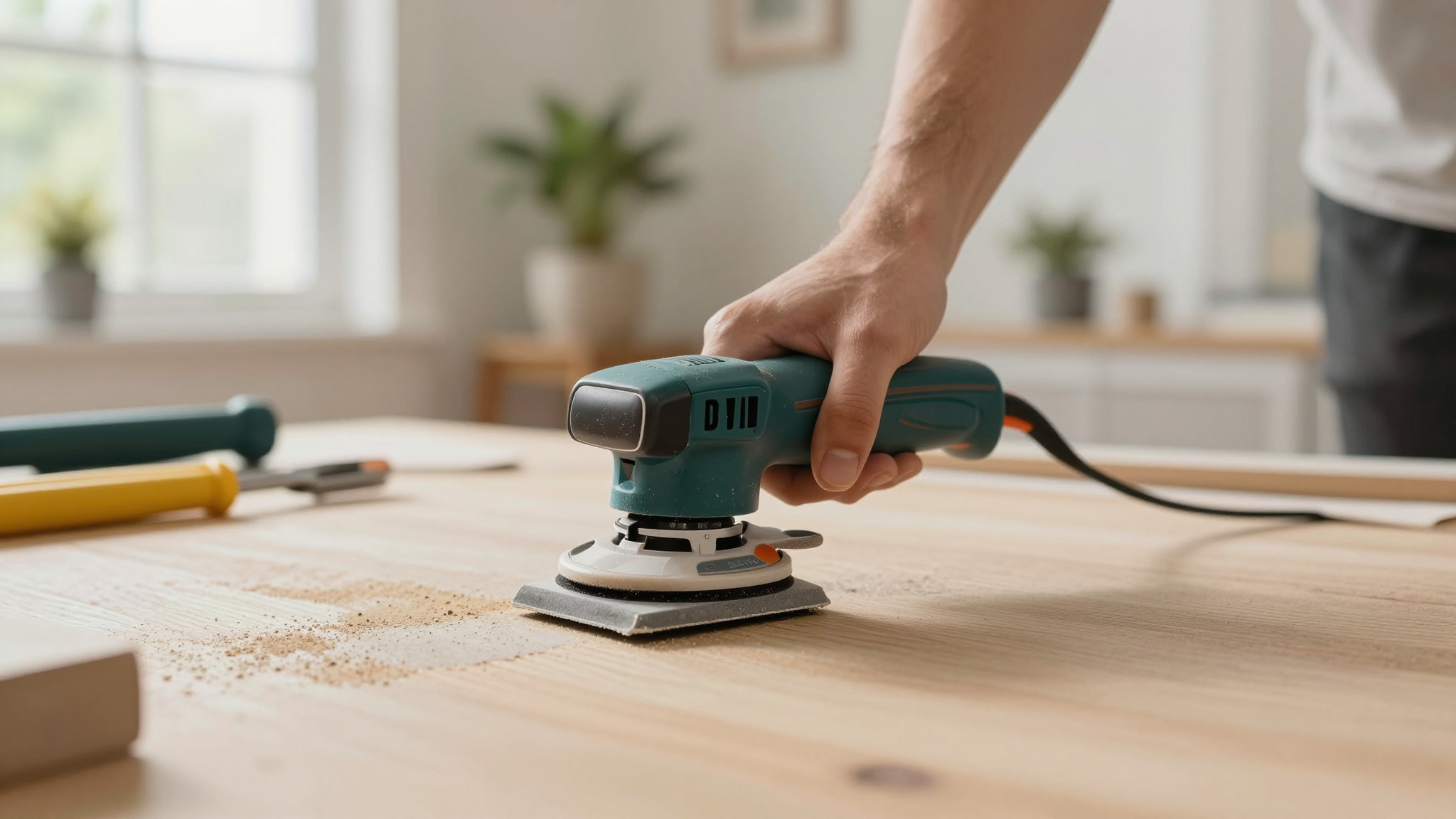
For finishing, I have my go-to products:
- Penetrating sealer: I use Defy Wood Protector for a natural look that still provides protection. It soaks into the wood and doesn’t leave a film.
- Tinted stain: For color, I love Behr DeckOver. It comes in beautiful colors and provides UV protection to keep the wood from graying.
- Paint: I only use paint on the underside of my deck where it’s not visible. I’ve found that paint can peel and crack on the top surface, especially in our climate.
Application is key. I always follow the manufacturer’s instructions for drying times and application rates. I’ve made the mistake of applying too much sealant, which left a sticky residue that attracted dirt. Now I use a paint roller with an extension pole to apply an even coat without overdoing it.
Year-Round Habits That Keep My Deck Looking Great
Annual maintenance is important, but the real secret to a long-lasting deck is consistent care throughout the year. Here’s what I do to keep my deck in great shape:
- Sweep regularly: I sweep my deck at least once a week, more often in the fall when leaves are everywhere. I keep a broom on the deck for quick cleanups after rain or windstorms.
- Remove standing water: I check for puddles after rain and use a shop vac to remove any water that collects in low spots. Last year, I found a small depression where water was pooling, and I had to sand it down to prevent rot.
- Move furniture seasonally: I rearrange my outdoor furniture every few months to prevent uneven fading. I also use furniture pads to protect the wood from scratches.
- Clean grills after use: I always clean my grill after cooking and make sure any grease or food debris is removed. I’ve had too many incidents where grease has dripped onto the deck and caused stains.
- Check for pests: I keep an eye out for termites or carpenter ants, especially in the spring. I’ve found that treating the deck with a borate solution once a year helps keep pests away.
I also make sure to keep my gutters clean and my downspouts directed away from the deck. Last year, I noticed that water was pooling near one corner of the deck, and I realized it was because my gutters were clogged. I cleaned them out and redirected the downspouts, which has made a big difference in keeping that area dry.
Final Thoughts (And What I’m Doing This Weekend)
This weekend, I’m tackling my deck maintenance early. I’ve already checked the weather forecast and scheduled my work for a stretch of dry, mild days. I’ve got my supplies ready – the deck cleaner, my trusty pole sander, and a fresh can of Defy Wood Protector.
I’ll start by inspecting the deck thoroughly, then move everything off and give it a good cleaning. I’ve already spotted a few boards that need replacing, so I’ll cut those to size and have them ready to go. After everything is dry, I’ll sand, stain, and seal, making sure to follow all the tips I’ve learned over the years.
If you’re new to deck maintenance, don’t be overwhelmed. Start with the basics – cleaning, repairing any obvious damage, and applying a fresh sealant. As you get more comfortable, you can add more steps like borate treatments or more frequent inspections. The key is consistency – a little bit of care throughout the year goes a long way.
And remember, your deck is an investment. The time and effort you put into maintaining it will pay off in the long run with a beautiful, safe, and functional outdoor space for your family to enjoy.