
How I Turned My Under-Stair Space Into a Game-Changing Storage Solution
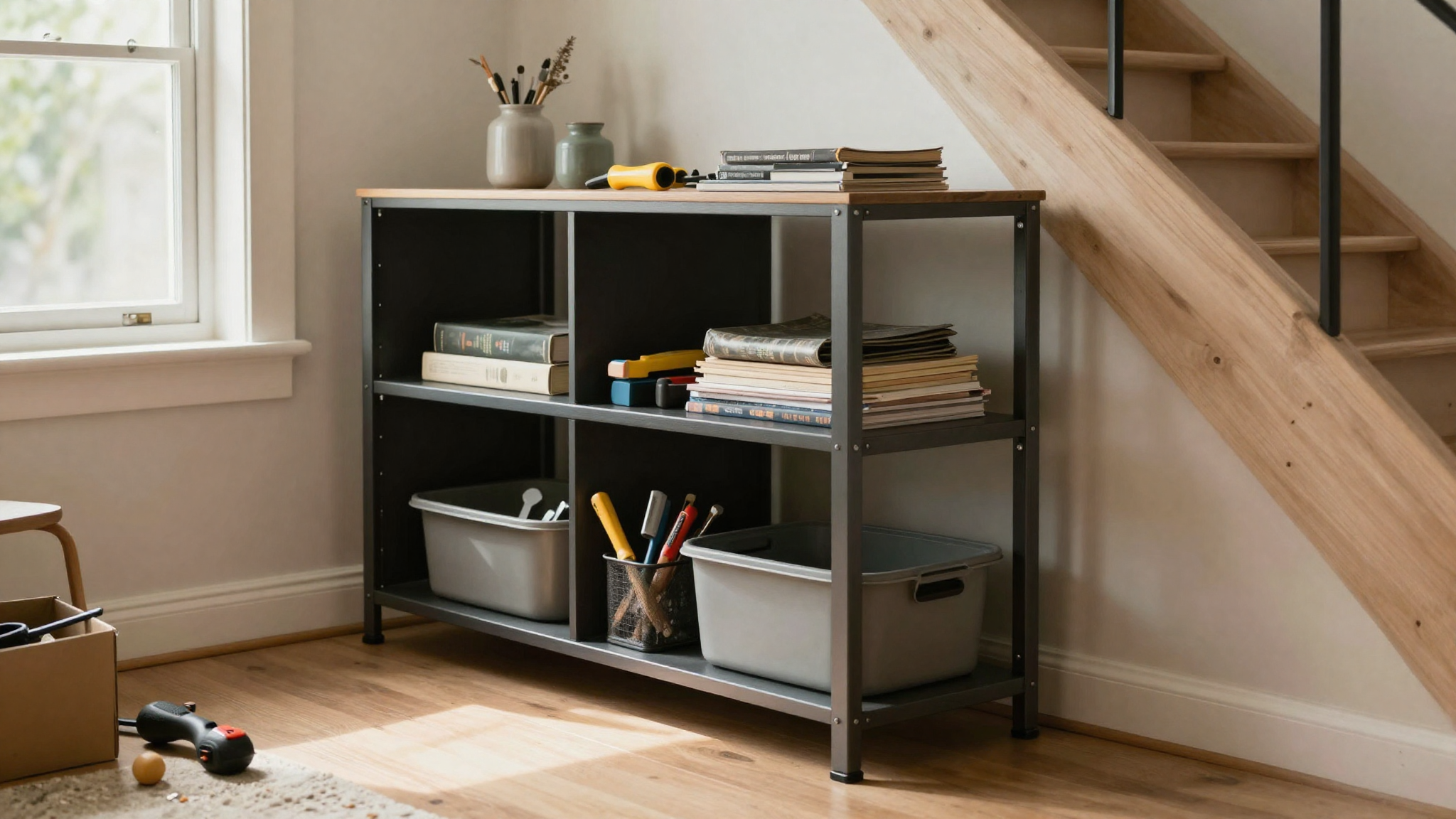
Let me tell you about the time I nearly gave up on my under-stair storage project. I had this vision of a sleek, organized system that would finally tame the chaos of our entryway, but after my third failed attempt at measuring the odd triangular space, I was ready to call it quits. Then I remembered my first DIY project,the wobbly bookshelf that taught me patience,and decided to try again. What started as a frustrating weekend turned into one of my favorite home organization wins.
If you’ve got unused space beneath your stairs, you’re in the right place. I’ll walk you through exactly how I transformed that awkward triangle into functional storage that actually looks intentional (no more tossed-aside shoes or forgotten holiday decorations!). This isn’t about some perfect Pinterest board,it’s about real solutions for real homes, with all the mistakes and happy accidents included.
First, Let’s Talk About the Space You’re Actually Working With
Before you grab any tools, you need to understand the shape you’re dealing with. Our staircase has this weird 42-inch deep by 96-inch wide triangle that tapers up to nothing. I spent an entire afternoon measuring it from every angle, only to realize I’d misaligned my tape measure by a full inch. (Pro tip: Use a stud finder and a carpenter’s square,trust me on this.)
Here’s what I learned the hard way:
- Measure twice. Then measure a third time. That odd angle will mess with your brain.
- Consider traffic flow. Our front door swings open right into this area, so I had to account for that.
- Think about what you’ll actually store there. My kids’ winter boots? Seasonal decor? Or just the random stuff that doesn’t fit anywhere else?
I sketched out a rough plan on graph paper (yes, I’m old-school like that) and realized I could fit two deep drawers for shoes and a shallow shelf for baskets. The key was working with the shape instead of fighting it.
Tools and Materials: What I Actually Used (and What I Wished I’d Bought)
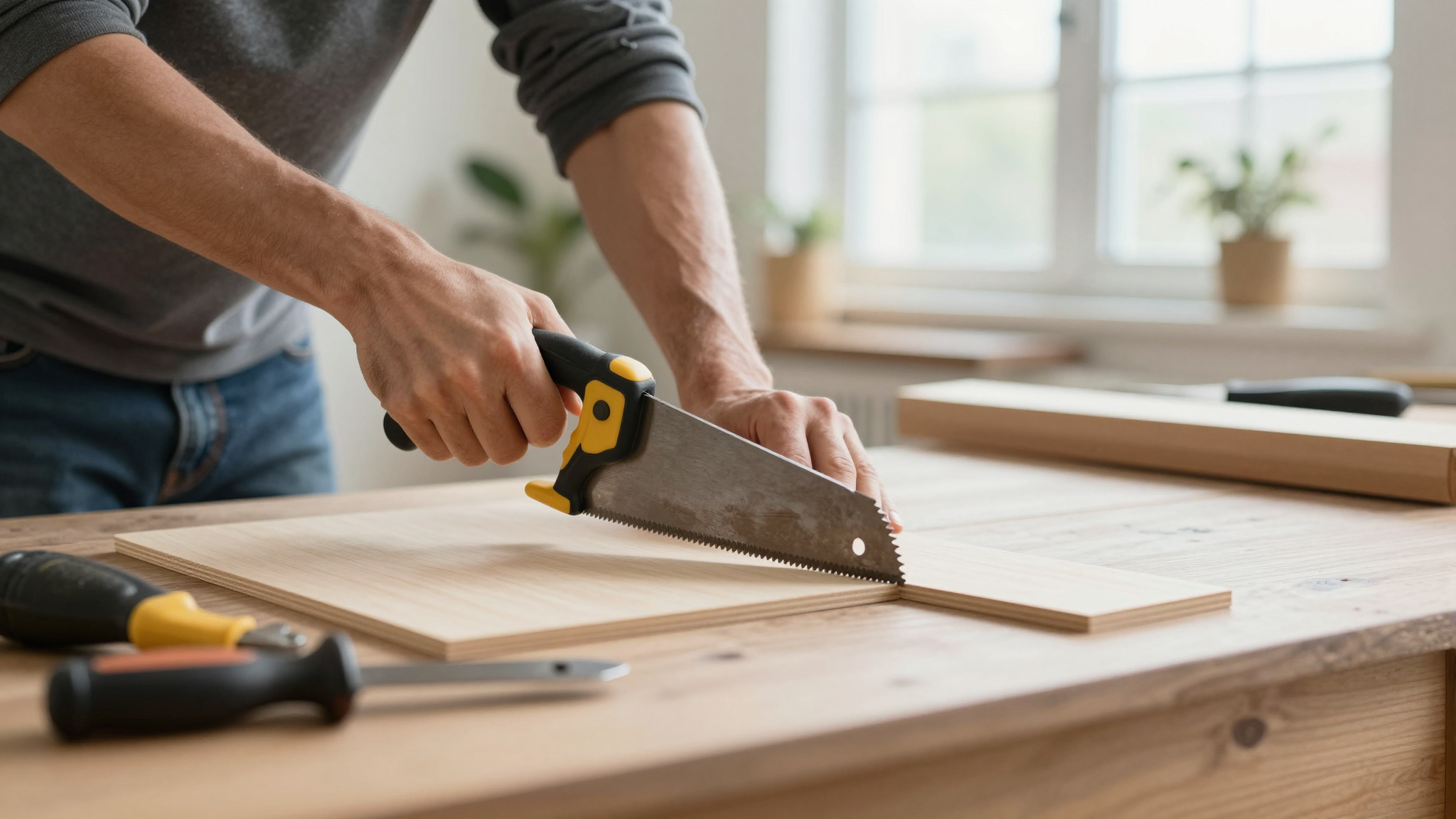
I’ll be honest,my first attempt at this project was a disaster because I didn’t have the right tools. I tried using a handsaw to cut plywood and nearly took my finger off. Lesson learned: invest in the basics. Here’s what I actually used for my final build:
Tools That Saved My Sanity
- Stud finder – I found one at Home Depot for $12, and it’s become my favorite tool. No more guessing where the studs are.
- Circular saw – After my handsaw disaster, I borrowed my husband’s DeWalt and never looked back. It cuts plywood like butter.
- Drill/driver – My Ryobi’s been with me since my first coffee table build, and it’s still going strong.
- Level – A $5 bubble level from the hardware store prevented so many headaches.
- Kreg Jig – This pocket-hole system made assembling the drawers so much easier. Worth every penny.
Materials That Worked (and One That Didn’t)
I started with 1/2-inch plywood for the drawer boxes because it’s sturdy but not too heavy. For the fronts, I used MDF (medium-density fiberboard) because it sands smooth and takes paint beautifully. My mistake? Using particleboard for the supports. It warped after a month, and I had to redo the entire frame. Stick with plywood or 2x4s for structural pieces.
For the drawer slides, I splurged on Accuride 3832 full-extension slides. They cost more than the basic ones, but they’re worth it,no more stuck drawers. I also added LED strip lights (Ikea’s $10 ones) inside the drawers because, let’s be real, that space is dark.
Step-by-Step: How I Built It (Without Losing My Mind)
Step 1: Find the Studs (or Risk a Catastrophe)
I learned this the hard way when I tried screwing a shelf directly into drywall. It held for about a week before the whole thing came crashing down. Always find the studs. Run your stud finder along the wall, mark the centers with a pencil, and double-check with a nail,if it goes in easily, you’re in the right spot.
Step 2: Cut the Opening (and Pray You Don’t Hit Wiring)
I used a drywall saw to cut between the studs, but I did turn off the circuit breaker first. (Yes, I’ve seen enough DIY disasters to know better.) If you’re unsure about wiring, use a non-contact voltage tester,it’s a $15 lifesaver.
Step 3: Build the Frame (Where I Almost Quit)
This is where I hit my biggest snag. I thought I could just nail some 2x4s to the studs and call it a day, but the angle of the staircase made everything wonky. I had to cut the 2x4s at a diagonal to match the slope, and let me tell you, my first attempt looked like a kindergartener’s art project.
Here’s what worked:
- Cut the 2x4s so they run from the bottom of the studs up to the opposite wall at the same angle as the stairs.
- Use angle braces to reinforce the corners. I screwed them in from the inside so they’re hidden.
- Check for level constantly. That slope will mess with your head.
Step 4: Install the Drawers (and Fix My First Mistake)
I built the drawers first, then realized I’d made them just a hair too wide. They stuck when I tried to slide them in. My fix? Sanded down the sides with 80-grit sandpaper until they fit. Now they glide in and out like a dream.
For the fronts, I used painted MDF because it’s smooth and hides imperfections. I painted them the same color as our accent wall so they blend in. If you want a more rustic look, stained plywood works great too.
Design Tips: Making It Look Intentional (Not Like a DIY Disaster)
How I Hid the “Oops” Moments
Let’s be real,no project is perfect. My biggest “oops” was when I realized the drawers I’d built were way too deep for the space. Instead of starting over, I added a false front (just a piece of MDF cut to the right size) to cover the extra depth. Now it looks intentional!
Lighting: The Secret to Making It Functional
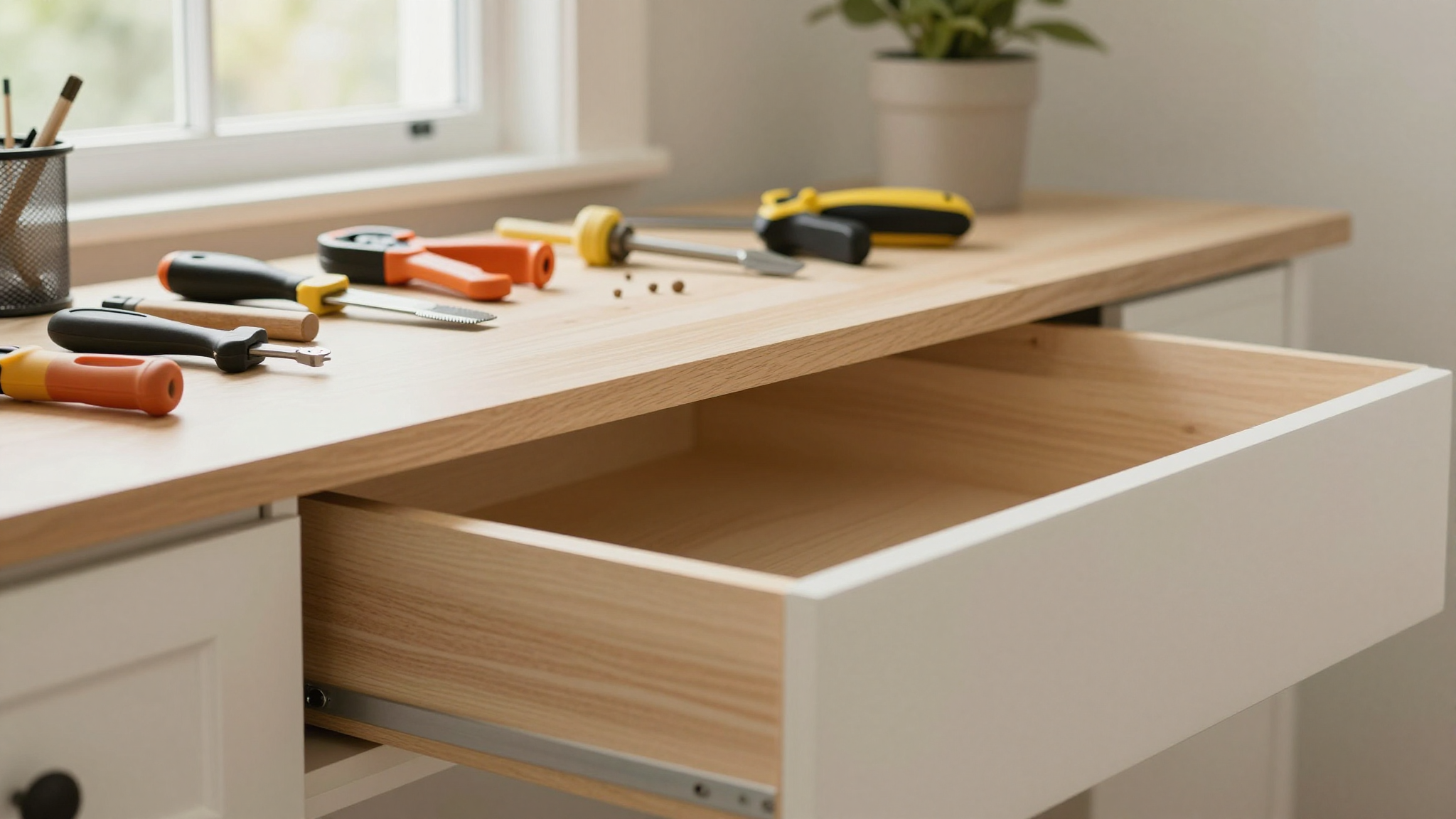
I added battery-powered LED strip lights along the top of the drawers. It’s a tiny detail, but it makes a huge difference when I’m digging for shoes at 6 a.m. No more flashlight fumbling!
Organizing the Chaos
Here’s how I organized everything:
- Bottom drawer: Kids’ shoes and backpacks (easy to access!).
- Middle drawer: Seasonal decor and extra blankets.
- Top shelf: Baskets for random stuff (because we all have those).
I also added small bins inside the drawers to keep things from sliding around. Dollar Tree bins work great for this!
Budget-Friendly Swaps (Because DIY Doesn’t Have to Break the Bank)
I didn’t want to spend a fortune on this project, so I got creative with materials. Here’s what I did:
Instead of Expensive Wood…
- I used plywood from the “cull lumber” section at Home Depot. It’s often discounted because it has minor imperfections, but it works perfectly for hidden areas.
- For the fronts, I painted MDF instead of buying pre-made cabinets. A can of Benjamin Moore Advance paint ($40) made it look high-end.
Instead of Pricey Drawer Slides…
I found basic heavy-duty slides at Lowe’s for $10 each. They’re not full-extension, but they work fine for storage that doesn’t need to be pulled all the way out.
Instead of Custom Hardware…
I skipped fancy drawer pulls and just used small knobs I had left over from another project. If you want a cleaner look, hidden drawer handles (like soft-close ones) are a great upgrade.
Final Thoughts (and What I’d Do Differently Next Time)
If I could go back, I’d:
- Measure the space three times before cutting anything.
- Use a laser level instead of a bubble level for the diagonal cuts.
- Add a small door to hide the storage when it’s not in use (I’ll be doing this in our next project!).
But honestly? I’m proud of how it turned out. It’s not perfect, but it’s functional, and that’s what matters. Now I’ve got a place for all the stuff that used to clutter our entryway, and I even have room to spare.
If you’re thinking about tackling this project, start small. Maybe just build one shelf or drawer first. And if you hit a snag? Don’t panic. I’ve redone parts of this project twice, and it’s still one of my favorite DIY wins.
Now, if you’ll excuse me, I’ve got to go organize those winter boots before the kids track mud all over the place again.