How I Finally Tamed Our Chaos of a Game Closet (And Why It Changed Our Game Nights)
Let me set the scene: It’s a rainy Saturday afternoon, the kids are bouncing off the walls, and someone,probably me,says, “Let’s play a game!” Cue the mad scramble through our so-called “game closet.” I’m digging through a tower of boxes that threatens to topple, my 8-year-old is pulling out every puzzle piece box we own, and my 10-year-old is already complaining that his favorite card game is missing half its deck. Sound familiar?
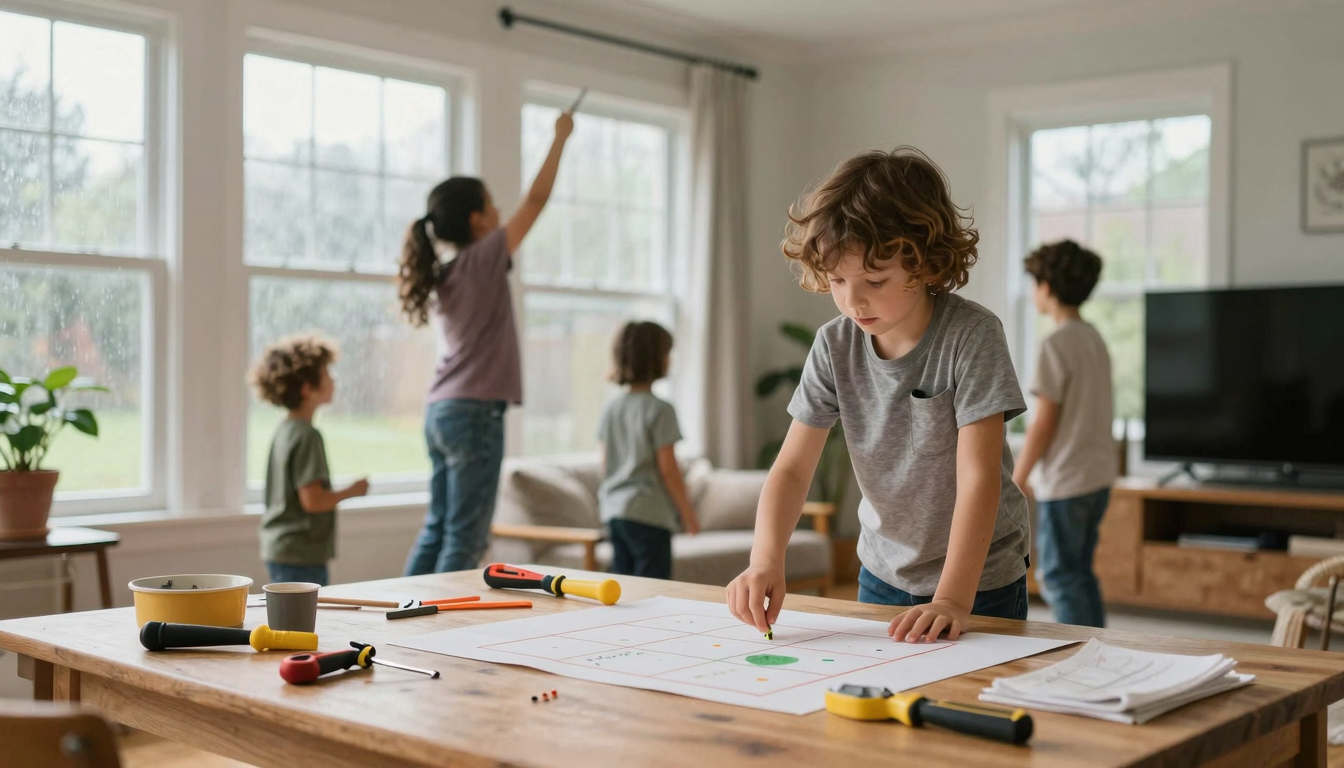
I used to think this was just part of having kids. That the chaos was inevitable. But then I realized something: our disorganized game space wasn’t just making game night harder,it was making us play less often. And that’s when I decided to do something about it.
What started as a desperate attempt to find Monopoly pieces turned into a full-blown organization project that actually changed how our family spends weekends. No, it’s not perfect (I still find stray Scrabble tiles in the couch occasionally), but it’s made a real difference in how we use our games,and how much fun we actually have with them.
If your game storage looks more like a disaster zone than a fun zone, I promise you: this is fixable. And I’ll walk you through exactly how we did it, including the mistakes I made along the way (like the time I labeled everything before realizing half our games were missing pieces).
Why Our Game Closet Was a Hot Mess (And Why It Matters)
Here’s the thing about disorganized game storage: it’s not just about the mess. It’s about the opportunity cost. Every time we spent 15 minutes searching for game pieces, that was 15 minutes we weren’t actually playing. Every time the kids gave up because “nothing was where it was supposed to be,” that was another game night lost to frustration.
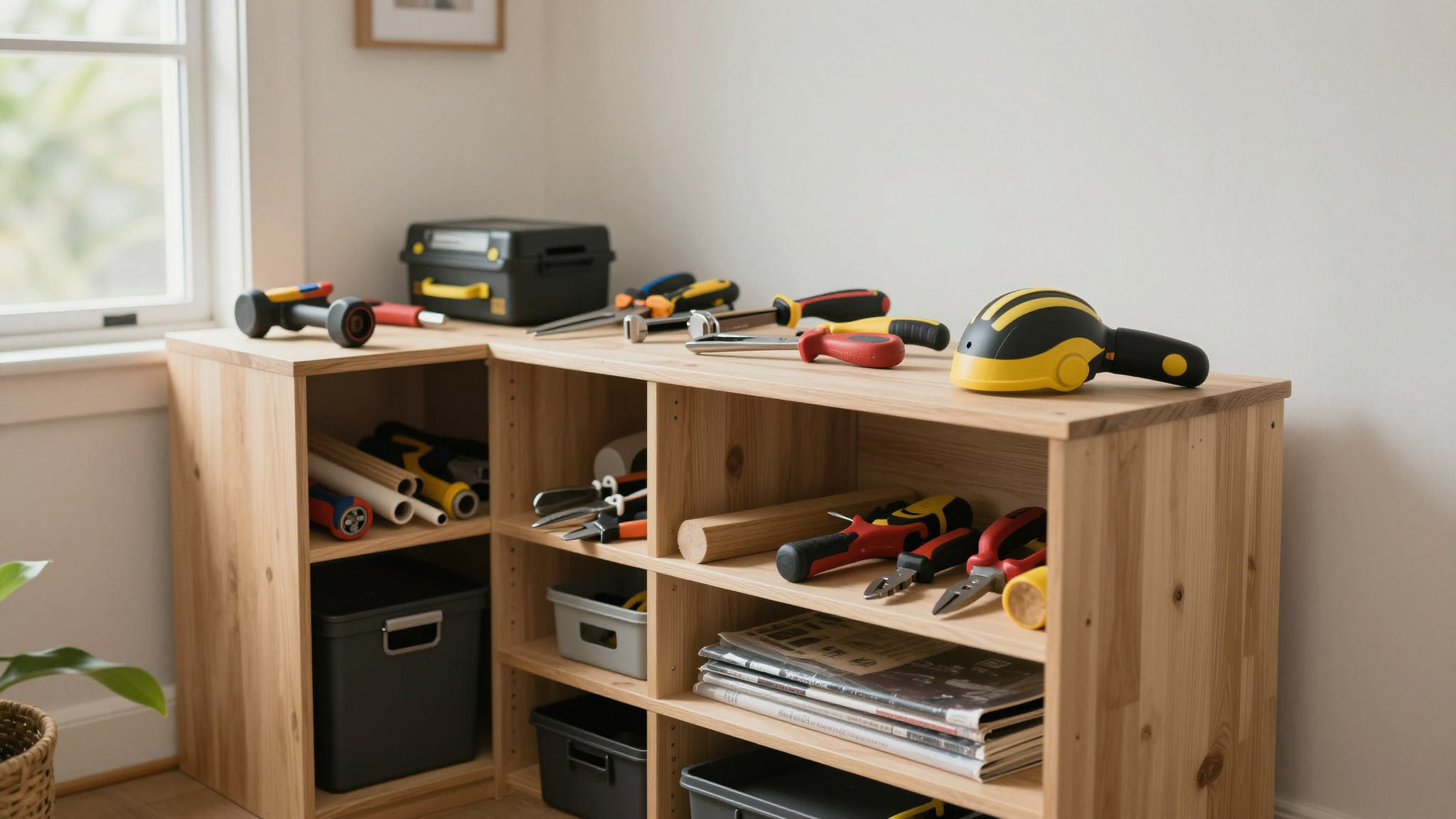
I noticed this happening more and more. We’d have these grand plans for family game night, but by the time we actually got everything together, the kids would rather be on their tablets. And honestly? I couldn’t blame them. If I had to dig through a mountain of boxes just to play, I’d probably lose interest too.
Then there was the emotional side of it. I’d feel guilty because I “should” have this organized. The kids would get frustrated when we couldn’t find what we needed. And the whole experience would leave everyone feeling worse than when we started.
That’s when I realized: this wasn’t just about organization. It was about reclaiming the fun. About making it easy for us to actually enjoy the games we own instead of them collecting dust.
For more ways to create spaces that actually work for your family (not against them), check out my five favorite DIY projects for instantly adding charm to your home,because sometimes, making things prettier makes them more functional too.
How Organization Actually Changes How We Play
Here’s what happened after we organized our game closet:
- We actually play more often. No more “I can’t find it” excuses.
- Game night setup takes less than 5 minutes now (yes, really).
- The kids can grab games by themselves. No more “Mom, where’s the Uno?”
- We’ve rediscovered games we forgot we owned (including a very competitive round of Ticket to Ride that went on for hours).
The biggest surprise? How much less stress there is. No more last-minute scrambling. No more frustrated kids. Just… fun. And that’s what it’s all about, right?
If you’re thinking, “But I don’t have time for this,” hear me out: this project took me one weekend, and it’s saved me hours of frustration since. That’s time I can actually spend playing with my kids instead of cleaning up after games.
Our Step-by-Step Game Closet Makeover
Now, let me walk you through exactly how we did this. I’ll be honest,there were some missteps (like when I tried to use those cute little bins before realizing our games were too big). But I’ve learned from them, and I’m sharing the real solutions that actually work in a busy household.
Step 1: The Great Game Purge (Yes, It’s As Dramatic As It Sounds)
Before I could organize anything, I needed to see what I was actually working with. So I did what every organized person does: I pulled everything out of the closet and made a huge pile in the living room.
Here’s what I found:
- 3 incomplete puzzles (including one that was missing half its edge pieces)
- 2 copies of the same card game (because someone had bought it twice)
- A game from 2012 that no one remembered owning
- More Scrabble tiles than should exist in one game (we still haven’t found where the extras came from)
My first mistake? I tried to keep everything. I thought, “What if we want to play this someday?” Spoiler: We didn’t. So I made a rule: if we hadn’t played it in the past year, it had to go. We donated the incomplete games, sold a few we never used, and kept only what we actually enjoyed.
Pro tip: If you’re struggling to decide what to keep, try this: put everything in a box and store it out of sight for a month. If you don’t miss it, let it go. We did this with a whole bin of games, and we didn’t touch 80% of them.
Step 2: The Storage System That Actually Works (After 3 Failed Attempts)
This is where I made my biggest mistakes,and learned the most. My first attempt? Clear plastic bins. Cute, right? Wrong. Our games are too big, and the bins took up way too much space. Lesson learned: when storing games, think vertically.
Here’s what ended up working for us:
For Board Games:
We switched to storing boxes on their sides, like books. This saves space and makes it easy to see what we have. But here’s the trick: we wrap each box with a big rubber band vertically (like this: see how I do it). This keeps all the pieces inside from shifting when we pull the box off the shelf.
I also added a small piece of clear packing tape to any damaged corners. It’s not pretty, but it keeps the boxes from falling apart. (Yes, I learned this the hard way after a box literally disintegrated in my hands.)
For Card Games:
This is where I had my “aha!” moment. I was using these over-the-door shoe organizers for the kids’ shoes, and I realized: they’re perfect for card games. Each pocket holds one deck, and we can see everything at a glance. No more digging through boxes to find the right cards.
I labeled each pocket with Avery labels (the 3.5×5 inch ones), and I arranged them alphabetically. Now when someone says, “Let’s play Uno,” they can grab it in seconds.
For Puzzles:
This was my biggest challenge. Puzzle boxes are bulky, and we have a lot of them. My solution? I switched to mesh zipper pouches (the kind you can get at any craft store). I cut the front image from the original box and taped it to the pouch, so we can see what puzzle it is at a glance.
We store these vertically in a low-lip bin (the kind with the wide opening), and now we can actually see all our puzzles instead of having to dig through boxes.
Funny story: My son was so excited about this system that he started organizing his LEGO by color in the same pouches. Now I have a color-coded LEGO system AND an organized puzzle collection. Win-win.
Step 3: The Labeling System That Saved My Sanity
Here’s something I wish I’d known from the start: labeling isn’t just about looks,it’s about function. I started by labeling everything with the game name, but then I realized we needed more. So I added:
- Player count (so we know if a game is for 2 or 6 players)
- Age recommendation (because some games are too complex for the little ones)
- Play time (so we know if it’s a quick game or a long one)
I used a label maker for this (it was a splurge, but worth it), but you can also just use a printable label template and tape it on.
Pro tip: involve the kids in labeling. My daughter loved picking out colors for the labels, and now she’s the “official label checker” when we put games away. It’s made her more invested in keeping things organized.
Step 4: The Maintenance System That Actually Sticks
Here’s the thing about organization: it’s not a one-time project. It’s a habit. And if you don’t have a system for maintaining it, you’ll end up back where you started. So we created a few simple rules:
- Game night cleanup is part of the fun. Before we put the games away, we do a quick “reset.” Everyone helps return pieces to their proper spots. It takes 5 minutes, and it keeps everything tidy.
- We do a “quick check” every few months. I set a reminder on my phone to go through the games once a quarter. We check for missing pieces, remove anything we don’t use, and reorganize as needed.
- We have a “donation bin.” If a game gets played once and then ignored, it goes in the bin. No guilt, no excuses.
I also keep a small toolkit in the closet for quick fixes. You’d be surprised how often a little duct tape or a rubber band can save a game from the trash bin.
For more tips on keeping your home organized (without losing your mind), check out my post on DIY winterizing tips that actually work. Because organization isn’t just about games,it’s about making your whole life easier.
Creative Storage Ideas That Actually Fit in Our Space
Now, I know not everyone has a dedicated game room. Our “game closet” is actually a repurposed linen closet in our hallway. So I had to get creative with storage. Here are some of the solutions that worked for us:
For Small Spaces:
If you’re working with limited space (like me), think vertical and multi-functional.
- Over-the-door organizers: We use these for card games, small pieces, and even some of our kids’ art supplies. They’re cheap, easy to install, and use space we weren’t using before.
- Rolling carts: I found a narrow rolling cart at IKEA that fits perfectly in our hallway. It holds our most-used games and can be rolled into the living room when we need it.
- Under-bed storage: We don’t have a ton of extra space, so we use flat storage bins under the kids’ beds for games they don’t use as often.
Funny story: My husband thought the rolling cart was a waste of money until he saw how much easier it made game night. Now he’s the one who insists on keeping it stocked with our favorites.
For Larger Spaces:
If you have a bit more room to work with, here are some ideas that might work for you:
- Armoires or bookcases: We turned an old armoire into our game storage by adding shelves inside. It keeps everything contained and looks nice in our living room.
- Coffee tables with storage: I found a farmhouse-style coffee table with built-in compartments that holds our most-used games. Now we don’t even have to get up to grab a game during movie night.
- Wall-mounted shelves: If you have vertical space, consider adding floating shelves. We use ours for puzzles and larger board games.
Pro tip: If you’re not handy, don’t worry! You can find pre-made solutions that look custom. I found a simple bookcase at Target that works perfectly for our games.
FAQ: Your Game Closet Questions, Answered
What’s the best way to store board games to save space?
Store them vertically, like books. This prevents crushing and makes it easy to see what you have. For games with lots of small pieces, transfer them to clear plastic bins or zippered bags. I also like to use rubber bands around the boxes to keep everything secure when we pull them off the shelf.
And here’s a tip I wish I’d known sooner: store frequently used games at eye level. The ones we reach for most (like Uno and Ticket to Ride) are right where we can grab them. The ones we use less often (like our old Trivial Pursuit) are on the top shelf.
How do I prevent losing game pieces and cards?
This is where I had the most frustration before we organized. Here’s what works for us:
- Use small zipper bags for cards and tiny pieces. I keep a stash of sandwich-sized bags in the closet for this.
- Take a photo of the complete game setup before putting it away. I know it sounds silly, but it’s saved us more than once when we were missing a piece.
- Assign one person to be the “piece checker” after we play. My son takes this job very seriously (and gets a small reward for doing it).
I also keep a “missing pieces” bin in the closet. If we’re missing a piece from a game, we put the whole game in the bin until we can find the missing piece. It’s amazing how often we “find” pieces when we know we’re looking for them!
Are there any clever DIY storage solutions for a game collection?
Absolutely! Here are a few of my favorites:
- Magazine holders: These are perfect for storing board game boxes upright. I found a set at Dollar Tree that work great.
- Adhesive hooks: We put hooks inside our closet door to hang bags of card games. Now they’re right where we need them.
- DIY hollow books: I made a few of these to hide small items like dice and game tokens. The kids think it’s a secret hiding spot, which makes them more likely to put things away properly.
For more DIY storage ideas, check out my post on creative DIY projects for every room. Because sometimes, the best storage solutions are the ones you make yourself!
How do I organize a closet that holds both board games and puzzles?
This was my biggest challenge because puzzles take up so much space. Here’s how we did it:
- Group by type: We keep all puzzles on one shelf and all board games on another. This makes it easier to find what we’re looking for.
- Sort by frequency of use: The puzzles and games we use most often are at eye level. The ones we use less often are on the top shelf or in bins under the bed.
- Use uniform storage: We switched all our puzzles to mesh zipper pouches so they look cohesive. It makes the whole closet look more organized.
Pro tip: If you have a lot of puzzles, consider donating the ones you don’t use. We kept only the puzzles we actually put together, and it made a huge difference in how much space we needed.
What’s the easiest method for maintaining an organized game closet?
Here’s what works for us:
- Make cleanup part of the fun. After we play a game, we do a quick “reset” where everyone helps put things away. We even turned it into a little game,whoever puts away the most pieces gets to pick the next game.
- Do a quick check every few months. I set a reminder on my phone to go through the games once a quarter. We check for missing pieces, remove anything we don’t use, and reorganize as needed.
- Involve the kids. My daughter is in charge of labeling new games, and my son is the “piece checker.” When they’re invested in the system, they’re more likely to help maintain it.
And here’s a secret: it’s okay if it’s not perfect. We still find the occasional stray piece, and sometimes the labels get a little messy. But the system works well enough that we actually use our games,and that’s what matters.
If you’re feeling overwhelmed by the thought of organizing your game closet, start small. Pick one shelf or one type of game and tackle that first. Even small changes can make a big difference in how much you enjoy your games.
And remember: the goal isn’t perfection. It’s making it easy to actually play and have fun. So grab a rubber band, a label maker, and let’s get started!
Now, if you’ll excuse me, I have a game of Catan to set up. And thanks to our organized system, it’ll take me less than 5 minutes to get it ready. Want to join us?