Real DIY Storage Solutions That Actually Work for Busy Families
Let me tell you,keeping a home organized with kids is like trying to herd cats while juggling groceries. One minute, the entryway is a minefield of shoes and backpacks. The next, the playroom looks like a toy bomb exploded. I’ve been there. So many times.
But here’s the thing: a clutter-free home isn’t about perfection. It’s about creating spaces that work for your family, not against you. Over the years, I’ve tested (and sometimes failed at) dozens of storage ideas. Some flopped,like the time I tried to use a shoebox as a “craft station” (spoiler: it lasted three days). Others became lifesavers, like the pegboard I installed in my son’s room that finally tamed the Lego avalanche.
What I’ve learned? The best storage solutions are the ones that are simple, functional, and involve the whole family. No fancy tools, no Pinterest-perfect setups. Just real, doable ideas that actually stick. If you’re ready to trade chaos for calm, let’s get started.
Start with a Clear Vision (Before You Buy Anything)
Before you even think about buying bins or building shelves, ask yourself: What does “organized” look like in my home? For me, it’s not about a magazine-worthy living room. It’s about knowing where the kids’ soccer cleats are without digging through a pile of coats. It’s about having a spot for the grocery bags so they don’t end up on the counter for a week.
I’ll admit, I used to skip this step. I’d see a cute storage idea online, buy supplies, and then realize the shelves were too tall for my kids to reach. Waste of a Saturday morning. Now? I sketch a rough layout on a napkin first. It’s not pretty, but it saves me from costly mistakes.
Define Your Family’s Must-Haves
Sit down with your kids (yes, even the little ones) and ask: What’s the one thing that drives you crazy about our home right now? For us, it was the backpacks blocking the front door every morning. For you, it might be the mountain of mail on the kitchen counter or the never-ending pile of laundry on the couch.
Here’s what worked for us:
- Sketch your space. Grab a notebook and draw your room. No, it doesn’t have to be to scale. Just get the basic shapes down. Where are the doors? Windows? Furniture? This helps you visualize where storage can go.
- Let the kids pick colors or labels. My daughter picked bright pink labels for her toy bins. She’s way more likely to put her toys away now because she chose them.
- Set a realistic timeline. Don’t try to overhaul your entire home in a weekend. Pick one problem area,like the entryway or a single drawer,and tackle it. Celebrate the small wins.
Pro tip: If you’re stuck, walk through your home with a timer. Set it for five minutes and just look. Where do you trip over stuff? Where do you always set things down and forget about them? Those are your problem spots.
Identify Your Biggest Problem Areas
Every home has those spots where clutter takes over. Mine used to be the:
- Overstuffed shelves in the playroom. If you touched anything, the whole stack would wobble like a Jenga tower.
- Doorway chaos where coats, bags, and shoes piled up like a fortress. We’d step over it every morning.
- Toy overflow that made playtime end in tears because no one could find what they wanted.
Here’s how we fixed them:
- Clear bins with labels for the shelves. Now, the kids can see what’s inside, and nothing topples over.
- Low hooks by the door so my 5-year-old can hang her backpack herself. (Yes, she still drops it sometimes, but at least it’s not on the floor.)
- A “rotate toys” system where we swap out half the toys every two weeks. Less clutter, more fun.
Start small. Pick one of these areas and tackle it this week. You don’t need a full overhaul,just one less headache in your day.
Smart Planning for DIY Storage (So You Don’t Waste Time or Money)
I’ll be honest: I’ve wasted money on storage solutions that looked great online but didn’t work in real life. Like the “space-saving” shelves that were too deep for my kids to reach. Or the bins that were supposed to fit under the bed but didn’t account for the fact that my son’s stuffed animals take up half the space.
Here’s how I plan now:
- Measure twice, cut once. Grab a tape measure and write down the exact dimensions of your space. I keep a little notebook in my toolbox just for this. Trust me, it’s worth the two minutes it takes.
- Involve the kids. Let them pick the colors for bins or help label them. My son picked dinosaur stickers for his toy storage, and now he’s proud to put his toys away.
- Choose flexible materials. Pegboards, adjustable shelves, and stackable bins grow with your family. No more outgrowing your storage before the paint dries.
Before you buy anything, ask yourself:
- Will this actually fit in the space I have?
- Can my kids use it without help?
- Will I realistically keep this organized?
If the answer to any of these is “no,” save your money and try something else.
Assessing Your Home Organization Needs (Without Overwhelming Yourself)
Let’s be real: your home isn’t a showroom. It’s a lived-in space where kids track in mud, projects pile up, and somehow there’s always a mystery sock behind the couch. The key is to focus on the spots that cause the most stress.
Ask Yourself the Hard Questions
Grab a cup of coffee and answer these:
- What areas feel congested every single day? For me, it’s the kitchen counter and the entryway.
- What do you use weekly vs. what sits unused for months? (Spoiler: you don’t need to keep that “emergency” bag of rice from 2022.)
- Where do toys, shoes, or papers always end up? Mine were the couch, the stairs, and the floor by the front door.
Here’s what I did with our problem areas:
- Playroom: Swapped out the flimsy plastic bins for under-bed storage bins and a wall pegboard. Now, the kids can grab their toys without asking for help.
- Entryway: Installed a tiered shoe rack and a bench with storage inside. No more tripping over sneakers.
- Kitchen: Added pull-out drawers for pots and over-door hooks for bags. Suddenly, the countertops are clear.
You don’t need a full home makeover. Start with one zone. Make it work. Then move to the next.
Innovative DIY Storage Projects (That Actually Get Used)
I’ve tested a lot of storage ideas over the years. Some were duds (looking at you, “genius” hanging shoe organizer that collapsed after a week). But a few became game-changers. Here are the ones that actually work in a real family home.
Over-the-Door Organizers (The Unsung Hero)
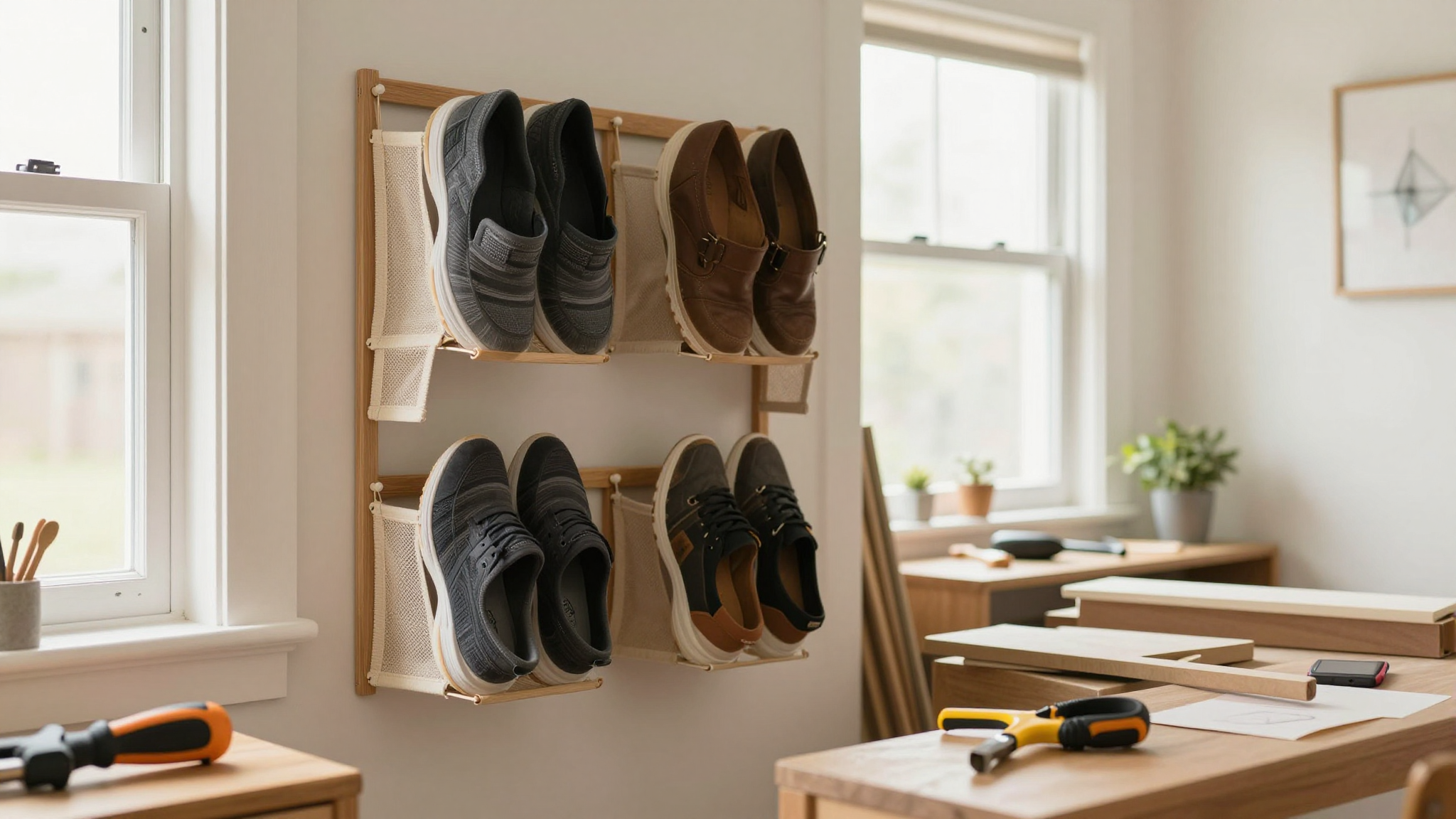
I used to think these were just for shoes. Then I realized: they’re for anything. We’ve got one on my daughter’s door for art supplies, another in the bathroom for toiletries, and one in the closet for winter hats and gloves.
Pro tip: Use Command hooks if you’re renting or don’t want to drill. They hold up surprisingly well, and no one will know they’re there.
Repurposed Furniture (Because You Probably Already Own It)
That old dresser in the garage? The one you’ve been meaning to donate? Sand it down, give it a fresh coat of paint, and turn it into a toy station. Label the drawers so the kids know where everything goes.
I did this with a hand-me-down bookshelf. Now it’s the “Lego Command Center” in my son’s room. The best part? It took me two hours and cost less than $20 in paint.
Hanging Pocket Shelves (For the Stuff That Doesn’t Have a Home)
We’ve got these fabric pocket shelves by the front door for keys, mittens, and backpacks. No more mystery key piles on the counter! I sewed mine (yes, I can sew, but you can buy them pre-made too), but you can also use canvas tote bags hung from hooks.
Here’s the secret: keep it simple. If it takes more than 30 seconds to put something away, the kids (and let’s be honest, you) won’t do it.
Affordable Storage Hacks (Because We’re Not Made of Money)
You don’t need to drop $200 on storage solutions. Some of the best ones are hiding in your home right now.
Where to Find Cheap (or Free) Materials
I hit up:
- The dollar store for clear plastic bins (under $10 each). Perfect for under-bed storage.
- Amazon for over-the-door hooks ($15–$20). They free up floor space instantly.
- Thrift stores for reusable cloth bins. I’ve found some in great condition for $3–$5.
Here’s what I spend my money on:
| Material | Cost | Best Use |
|---|---|---|
| Cardboard tubes | Free (from paper towels or toilet paper) | Hold cords, cables, or wrapping paper. Genius. |
| Pegboard panels | $20–$30 | Wall-mounted tool or toy storage. Customizable and durable. |
| Repurposed jars | Free (from pasta sauce, jam, etc.) | Sort small toys, craft supplies, or office stuff. Just clean them first! |
Repurpose What You Already Have
Before you buy anything, look around your home. What can you already use for storage?
- Stacking shelves from old picture frames. I did this in the pantry. Now we’ve got extra shelf space for snacks.
- Shoe organizers as vertical pantry storage. Hang one inside a cabinet door for spices or cleaning supplies.
- Lidded Tupperware as countertop bins. Use them for fruit, snacks, or even bathroom essentials.
My favorite hack? Turning an old ladder into a leaning bookshelf. It’s rustic, functional, and cost me nothing.
Personalizing Storage for Every Room (Because One Size Doesn’t Fit All)
Your kitchen, playroom, and bedroom all need different storage solutions. Here’s what’s worked in ours.
Kitchen: The Command Center
This is where the magic (and the mess) happens. My top tips:
- Magnetic strips for knives. No more digging through a drawer.
- Lazy Susans in corner cabinets. Suddenly, the spices I never use are actually accessible.
- Pull-out drawers for pots and pans. Game-changer for deep cabinets.
I also keep a junk drawer,but it’s not junk. It’s got a spot for batteries, takeout menus, and those random screws you “might need someday.” Label it so everyone knows where to put the miscellaneous stuff.
Living Room: Hide the Clutter (But Keep It Accessible)
We’ve got:
- Under-stair storage for board games and blankets. (Yes, I built it myself. Check out my step-by-step guide if you want to DIY one.)
- Coffee table with hidden storage. The kids use it for coloring books, and I use it for remotes and magazines.
- Baskets by the door for shoes and coats. No more tripping over sneakers.
Bedrooms: Keep It Simple
Over-the-door organizers, bed risers with storage, and floating shelves are my go-tos. But here’s the real secret: involve the kids. My daughter picked out her own bins for her room, and now she’s way more likely to put her toys away.
Play Areas: Make It Easy for Them
Clear bins with pictures on them (so the kids can see what’s inside) and pegboards for art supplies. We also have a “rotate toys” system where we swap out half the toys every two weeks. Less clutter, more fun.
Pro tip: Use chalkboard paint on a wall or bin for labels. The kids can write their own names, and it’s easy to update when they outgrow something.
Maximizing Vertical Space (Because Floor Space Is for Living)
Walls are your best friend when it comes to storage. Here’s how we use ours.
Wall-Mounted Solutions (That Actually Work)
I’ve got:
- Hooks by the door for bags and jackets. No more piles on the floor.
- Over-the-door organizers in the kids’ rooms and the bathroom. They hold everything from toys to toiletries.
- Adhesive strips for lightweight items like picture frames or small shelves. (I use Command Strips,they hold up surprisingly well.)
One thing I learned the hard way? Don’t hang heavy items from adhesive strips. I tried to hang a coat rack that way, and it did not end well. Use screws for anything over 10 pounds.
Shelving That Grows With Your Kids
Floating shelves are great, but they’re not just for decor. We use ours for:
- Toys and books in the kids’ rooms. (I mounted them at their eye level so they can reach.)
- Board games and puzzles in the living room.
- Plants and decor in the entryway. It makes the space feel cozier.
Pro tip: If you’re renting, use plastic wall anchors for floating shelves. They’re easy to install and won’t damage the walls when you move out.
Efficient Decluttering Strategies (That Don’t Feel Like a Chore)
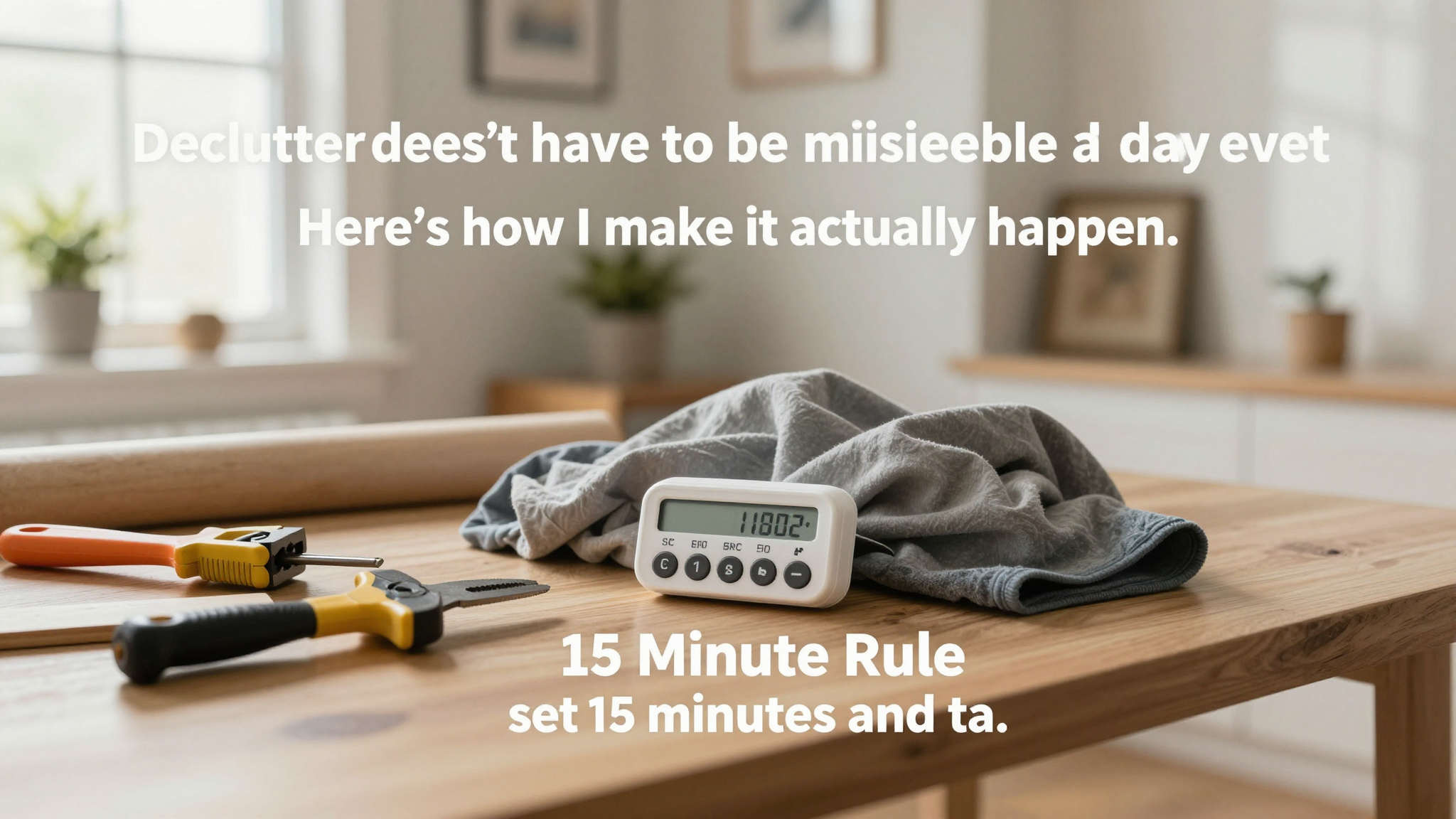
Decluttering doesn’t have to be a miserable, all-day event. Here’s how I make it actually happen.
The 15-Minute Rule
Set a timer for 15 minutes and tackle one small area. The kids and I race to see how much we can get done before the timer goes off. (Yes, it’s a game. Yes, it works.)
Here’s what we do:
- Sort items into “keep,” “donate,” and “trash” piles. Be ruthless.
- Use clear labeled bins for seasonal items. Swap them out every three months.
- Repurpose under-bed space or over-door storage for stuff you use rarely.
I also keep a donation bin in the garage. Whenever something needs to go, it goes straight in there. No second-guessing. Once a month, I drop it off at the thrift store.
Make It a Family Affair
Kids are more likely to help if it’s fun. We do:
- “Sort & Earn” challenges where they get points for organizing. Points can be traded for screen time or a small treat.
- “Family Cleanup Fridays” with music and a timer. Whoever puts away the most toys wins a silly prize (like picking the weekend movie).
We also use a visual chart to track everyone’s tasks. My kids love checking off their chores, and it keeps us all accountable.
Involving the Whole Family (Because Teamwork Makes the Dream Work)
If you want storage solutions that last, the whole family has to buy in. Here’s how we do it.
Age-Appropriate Tasks
Even little kids can help:
- Toddlers can sort socks or put toys in bins.
- Big kids can organize their own rooms or help with pantry shelves.
- Teens can tackle bigger projects like building shelves or painting bins.
Here’s the secret: let them own it. If your kid picks out the bins for their room, they’re way more likely to use them.
Make It Fun (Yes, Really)
We turn decluttering into a game. Who can find the most items to donate? Who can organize their toys the fastest? The winner gets to pick the next family movie.
I also use a reward system. If the kids help with a big decluttering project, they earn extra screen time or a trip to the park. It’s not about bribes,it’s about making the process worth their time.
Bringing Style and Practicality Together (Because Your Home Should Look Good Too)
Storage doesn’t have to be ugly. Here’s how I make ours functional and stylish.
Color and Materials That Work
I love:
- Neutral colors for a calming effect. (Our bins are all white or light gray,it keeps the space feeling open.)
- Bright colors for kids’ spaces. My daughter’s toy bins are pink and purple because she picked them.
- Mixed materials like wood, metal, and fabric. It adds visual interest without looking cluttered.
Pro tip: If you’re painting old furniture, use a primer first. It makes the paint last way longer.
Open Storage (Because You Should Actually Use It)
I hate storage that’s just a black hole. Open shelves with baskets or clear bins let you see what’s inside. No more digging through a pile to find what you need.
Here’s what I do:
- Use baskets for toys or blankets. They look nice, and they hide the clutter.
- Go for clear containers in the kitchen. You can see the spices or snacks at a glance.
- Add labels. I use a label maker, but you can also write on the bins with a Sharpie.
One thing I learned? If it’s hard to put something away, you won’t do it. Keep it simple.
FAQ
How can I effectively declutter my home?
Start small. Pick one room or even one drawer, and set a timer for 15–30 minutes. Use the “keep, donate, trash” method, and don’t overthink it. If you haven’t used it in a year, it’s probably time to let it go.
Pro tip: Involve the kids. Make it a game,who can find the most items to donate?,and reward them with a small treat or extra screen time.
Are there easy space-saving hacks for kids’ rooms?
Absolutely! Try:
- Under-bed storage bins for toys or seasonal clothes.
- Pegboards on the wall for art supplies or small toys.
- Hanging pockets on the back of the door for backpacks or shoes.
Let the kids help pick the colors or labels. When they feel ownership, they’re way more likely to keep their space tidy.
How do I set up an organized play area for my kids?
Create zones for different activities,like a craft corner, a reading nook, and a toy storage area. Use clear bins with pictures on them so the kids can easily put toys away. And label everything. It might seem obvious to you, but kids need the visual cues.
I also rotate toys every few weeks. It keeps the play area from getting overwhelmed, and the kids stay engaged with their toys.
What items can be repurposed for home organization?
Get creative! Here are a few of my favorites:
- Mason jars for craft supplies, office stuff, or even a desk organizer.
- Old crates as rustic shelves or toy storage.
- Shoe organizers as vertical pantry storage or bathroom organizers.
- Ladders as leaning bookshelves or a spot for plants.
The key is to think outside the box. What do you already have that could serve a double purpose?
How can I involve my whole family in decluttering?
Make it fun! Try:
- “Sort & Earn” challenges where kids earn points for organizing.
- Family cleanup games with music and a timer.
- Age-appropriate tasks so everyone feels like they’re contributing.
And don’t forget to celebrate the wins. Did you finally tackle the junk drawer? That’s a big deal! Acknowledge the progress, and keep going.
Do you have any budget-friendly storage solutions?
You bet! Here are a few of my favorites:
- Dollar store bins for under-bed or closet storage.
- Thrifted furniture that you can sand and paint.
- Repurposed items like jars, crates, or even cardboard boxes.
- DIY projects like pegboards or floating shelves (check out my guide to essential tools if you need help getting started).
You don’t need to spend a lot to make a big difference. Start with what you have, and build from there.
What are the three main principles to have an organized home?
Here’s what I’ve learned:
- “One in, one out” rule. If you bring something new into the home, something old has to go.
- Regular maintenance. Schedule a monthly “reset” where you tidy up and evaluate what’s working (and what’s not).
- Family accountability. Everyone,kids included,needs to take ownership of their spaces.
It’s not about perfection. It’s about creating a home that works for your family. And that starts with small, consistent steps.