How to Install a New Faucet in Under an Hour (Without Calling a Plumber)

I’ll never forget the first time I replaced a faucet in my kitchen. My husband, Mark, had been complaining about the leaky handle for months, and I was determined to fix it myself,partly to prove I could, and partly because I didn’t want to spend $200 on a plumber for what looked like a simple job. Spoiler alert: it was simple, but only because I took my time and didn’t rush through the steps. If you’ve got the right tools and a little patience, you can swap out an old faucet in under an hour too. No special skills required, just a willingness to get your hands wet (literally).
Upgrading your faucet isn’t just about stopping a drip or modernizing your kitchen,though those are great reasons. It’s also one of the fastest, most satisfying DIY projects you can tackle. A new faucet can instantly elevate the look of your space, and the best part? You’ll save money and avoid the hassle of scheduling a plumber. Plus, there’s nothing quite like the pride of turning on your shiny new fixture and knowing you did it yourself.
This guide will walk you through every step, from turning off the water to testing for leaks. I’ll share the exact tools I use (including my trusty basin wrench), the mistakes I made the first time, and how to avoid them. Let’s get started.
Prep Work: The Secret to a Smooth Faucet Install
Preparation is where most people trip up,not because the steps are complicated, but because they skip them. I learned this the hard way when I tried to install a new bathroom faucet without measuring first. Turns out, the holes in my sink weren’t spaced the way I assumed, and I had to return the faucet I’d already bought. Don’t let that happen to you. Spend 10 minutes prepping, and the rest of the project will feel like a breeze.
Check Your Sink’s Hole Configuration
First, take a good look at your sink. Most have one, three, or four holes, and this determines what kind of faucet you can install. If your sink has a single-hole or three-hole setup, you can’t just slap on a four-hole faucet,unless you’re okay with leaving an extra hole exposed (which, trust me, looks messy).
Grab a tape measure and check the distance between the holes. Write it down or snap a quick photo with your phone. This might seem unnecessary, but when you’re at the hardware store staring at 20 different faucet options, you’ll be glad you did. Pro tip: If your sink has extra holes you don’t need, you can cover them with an escutcheon plate for a cleaner look.
Gather Your Tools and Supplies
You don’t need a full toolbox for this job, but you do need the right tools to make it easy. Here’s what I always keep on hand for faucet installations:
- Basin wrench – This is a must-have for reaching those tight spots under the sink. I swear by my Harbor Freight basin wrench because it’s affordable and gets the job done.
- Adjustable wrench – For loosening and tightening nuts. A 10-inch wrench is usually the right size, but I keep a few different sizes in my toolbox just in case.
- Plumber’s tape (Teflon tape) – This creates a watertight seal on the threads of your supply lines. Don’t skimp here,cheap tape can lead to leaks.
- Silicone caulk – A little bead around the base of the faucet keeps water from seeping underneath. I like Gorilla Glue Clear Silicone because it’s easy to apply and dries quickly.
- Small bucket or bowl – For catching any residual water in the pipes. I use an old Tupperware container I keep under the sink just for this purpose.
- Flashlight or headlamp – The space under the sink is dark. A headlamp (like this Olight i5T) frees up your hands while you work.
- Rag or old towel – For wiping up spills and protecting your countertop. I keep a stack of cut-up towels in my laundry room specifically for DIY projects.
- Safety glasses – I know, I know,it feels like overkill. But one time, a rusted nut broke apart while I was loosening it, and a tiny shard flew up and nearly hit me in the eye. Now I always wear glasses.
Before you start, clear out the space under the sink. Move any cleaning supplies, trash cans, or random junk that’s been collecting down there. Trust me, you’ll thank yourself later when you’re not knocking over a bottle of drain cleaner mid-project.
Oh, and one more thing: read the manufacturer’s instructions that came with your new faucet. I know it sounds boring, but some faucets have specific steps or tools required. Skipping this step is how I ended up with a misaligned handle on my first try.
Turn Off the Water (And Avoid a Flood)
This is the part where most people panic. Turning off the water supply sounds simple, but if you’ve never done it before, those little valves under the sink can feel intimidating. Here’s how I do it without stressing out:
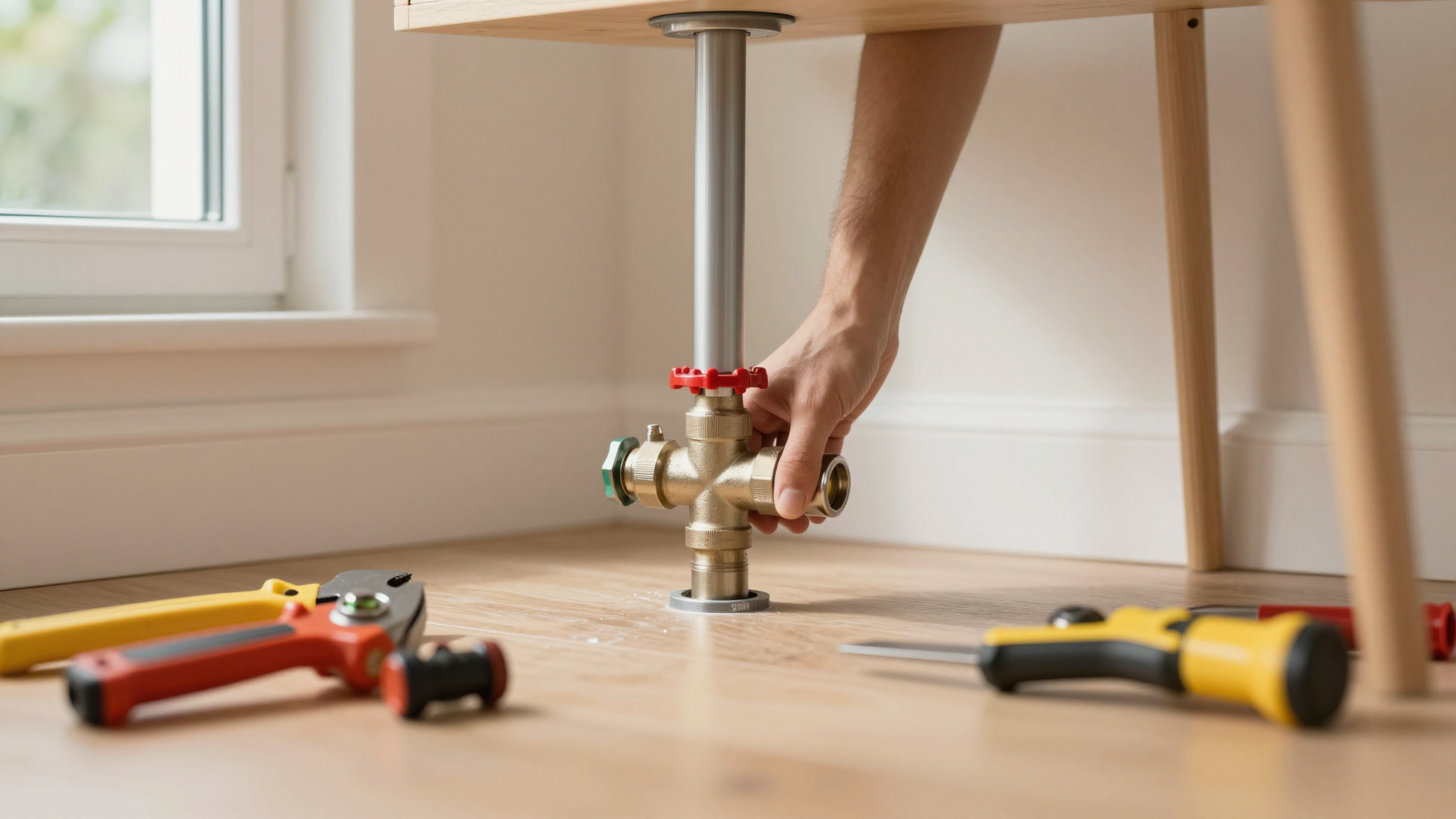
Locate and Turn Off the Shut-Off Valves
First, find the shut-off valves under your sink. They’re usually small knobs or levers,one for hot water, one for cold. If your sink is older, like mine was when we bought our house, the valves might be stiff. That’s where a rag or pliers come in handy. Wrap the rag around the valve for grip, then turn it clockwise (that’s the direction that turns off the water).
If the valve won’t budge, don’t force it. You might strip the threads inside, which would require a plumber to fix. Instead, try this trick: Spray a little PB Blaster (a penetrating oil) around the valve and let it sit for 10 minutes. That usually does the trick.
Relieve the Pressure in the Pipes
Here’s where I made a rookie mistake the first time: I turned off the valves and immediately started unscrewing the supply lines. Big error. The pipes still had water in them, and when I disconnected them, water sprayed everywhere,including all over my favorite sweater. (RIP, that sweater.)
To avoid this, turn on your faucet and let the water run for a few seconds after you’ve turned off the valves. This releases any remaining pressure in the pipes. Then, place your bucket or bowl under the supply lines to catch any drips. Now you’re ready to disconnect them safely.
Use your adjustable wrench to loosen the nuts connecting the supply lines to the valves. Hold the valve steady with one hand while you turn the nut counterclockwise with the other. Go slow,there’s no rush, and you don’t want to strip the threads.
Remove the Old Faucet (Without Breaking Anything)
This is the part where the project either feels like a victory or a frustration. I’ve had both experiences, so let me save you from the frustration.
Loosen the Mounting Nuts Under the Sink
Flip on your flashlight and take a look under the sink. You’ll see a few nuts holding the old faucet in place,these are the mounting nuts. Grab your basin wrench and fit it around the nut. If the nut is really tight (which mine usually are), spray a little PB Blaster on it and let it sit for a few minutes.
Turn the wrench counterclockwise to loosen the nut. If it’s not budging, don’t force it. Instead, try wiggling the faucet handle above the sink while you turn the nut. Sometimes that breaks the seal and makes it easier to turn. Once the nut is loose, unscrew it by hand the rest of the way.
Pro tip: If the nut is rusted or painted over, you might need to use a hacksaw to cut it off. It’s not ideal, but it’s better than stripping the threads in your sink.
Clean Up the Old Sealant and Debris
Once the old faucet is out, you’ll likely find some gunk around the holes in your sink. This is old sealant, mineral deposits, or just plain grime. Use a putty knife or an old credit card to scrape it off gently. Don’t gouge the sink,just remove enough to give your new faucet a clean surface to sit on.
Before you toss the old faucet, take a quick photo of how everything is connected under the sink. This might seem unnecessary, but when you’re putting in the new faucet, it’s helpful to have a reference for where the supply lines go. Trust me, I’ve had to disassemble and reassemble mine more than once because I forgot which line was hot and which was cold.
Grab your rag and wipe down the area around the sink holes. You want a clean, dry surface for the new faucet. If there’s any leftover water in the pipes, now’s the time to catch it with your bucket.
Install the New Faucet (Step by Step)
This is the fun part,the moment when your kitchen (or bathroom) starts to look like a showroom. But before you get too excited, let’s walk through the steps carefully. I’ll share the exact order I follow, plus the little tricks I’ve picked up over the years.

Position the Faucet and Secure It
Start by placing the new faucet into the sink holes. If your sink has more than one hole, you’ll need to decide whether to use an escutcheon plate to cover the extras. I like using one because it gives a finished look, but it’s not necessary if you prefer a more minimalist style.
Once the faucet is in place, reach under the sink and screw on the mounting nuts. Hand-tighten them first, then use your wrench to snug them up. Do not overtighten,this can crack the sink or strip the threads. I usually tighten until the faucet feels secure but can still wiggle slightly. That’s enough.
If your faucet comes with a metal or plastic bracket to hold it in place, make sure it’s seated correctly before tightening the nuts. I’ve had faucets wobble because the bracket wasn’t aligned properly, and that’s a pain to fix later.
Wrap the Supply Lines with Plumber’s Tape
Before you connect the supply lines, grab your plumber’s tape. Wrap it clockwise around the threads of the supply lines,about 2-3 wraps should do it. The tape creates a seal so water doesn’t leak out of the connections. Don’t wrap too much, or it can cause the tape to bunch up and create a gap.
If you’re unsure which line is hot and which is cold, most faucets have color-coded indicators (red for hot, blue for cold). If yours doesn’t, check the manufacturer’s instructions or look for markings on the supply lines themselves.
Connect the Supply Lines
Now, screw the supply lines onto the corresponding valves under the sink. Hand-tighten them first, then use your adjustable wrench to tighten them further. Hold the valve steady with one hand while you turn the nut with the other. This keeps the valve from turning and stripping the threads.
Once the lines are connected, give them a gentle tug to make sure they’re secure. If they wobble, tighten them a little more. But again, don’t overtighten,you can crack the valve or the fitting.
Seal the Base (And Avoid Future Leaks)
Before you turn the water back on, take a second to seal the base of the faucet. Squeeze a small bead of silicone caulk around the edge where the faucet meets the sink. This keeps water from seeping underneath and causing a mess (or worse, damage) over time.
I like to use a caulking gun with a fine tip for this step. It gives me more control, and I don’t end up with globs of silicone everywhere. Wipe away any excess with a damp rag before it dries.
Turn the Water Back On and Test for Leaks
This is the moment of truth. If you’ve followed the steps carefully, this part should be smooth sailing. But even if you think everything is perfect, always test for leaks before you celebrate.
Slowly Turn the Water Back On
Start by turning the shut-off valves back on slowly. I like to turn them just a quarter of the way at first, then wait a few seconds before opening them all the way. This gradual approach prevents a sudden surge of water pressure, which can cause leaks or even damage your new faucet.
Once the valves are fully open, turn on the faucet and let the water run for a minute. This flushes out any debris that might have gotten into the pipes during installation.
Check for Leaks (And Fix Them If You Find Any)
Grab a rag and wipe down all the connections under the sink. Then, watch closely for any drips. Common places for leaks are:
- The base of the faucet (where it meets the sink)
- The connections between the supply lines and the valves
- The threads where the supply lines screw into the faucet
If you see a leak, turn off the water immediately. Then, tighten the connection that’s leaking just a little. Don’t go overboard,sometimes a tiny bit of extra pressure is all it takes. If the leak persists, you might need to disconnect the line, add a little more plumber’s tape, and reconnect it.
I had this happen with my bathroom faucet last year. The leak was coming from the hot water supply line, and no amount of tightening seemed to fix it. Turns out, the plumber’s tape had bunched up, creating a gap. I had to unscrew the line, remove the tape, and start over. It was a hassle, but it taught me to double-check my tape job before tightening anything.
Flush the System
Once you’ve confirmed there are no leaks, remove the aerator from the faucet (it’s that little screen at the end of the spout) and let the water run at full force for about 30 seconds. This flushes out any debris or metal shavings that might have gotten into the pipes during installation.
After the water runs clear, reattach the aerator. Give it a quick twist by hand, then use a cloth to tighten it the rest of the way. This prevents stripping the threads.
Final Touches (Because the Little Things Matter)
You’re almost done! But before you put your tools away, take a few extra minutes to make sure everything looks,and works,perfectly.
Reattach the Aerator and Accessories
If your new faucet came with any accessories (like a soap dispenser or a side sprayer), now’s the time to install them. Follow the manufacturer’s instructions, but generally, it’s just a matter of screwing them into place and tightening them securely.
I always test my accessories before I call the project finished. For example, if I’ve installed a soap dispenser, I’ll pump it a few times to make sure it’s working properly. If the sprayer is too loose, I’ll tighten it a little more. It’s the little details that make a DIY project feel truly professional.
Clean Up and Admire Your Work
Now for the part I love: cleaning up. I know, it sounds boring, but there’s something satisfying about putting everything back in its place after a successful project. Wipe down the sink and countertop with a damp rag to remove any dust or debris. Sweep up any stray screws or bits of caulk under the sink.
Put your tools away, and don’t forget to recycle any packaging from your new faucet. (I keep a bin under my workbench specifically for this.)
Finally, step back and admire your handiwork. Turn the faucet on and off a few times. Run the water at different temperatures. Watch as it flows smoothly, without a single drip. That’s the feeling of a job well done.
FAQs (Because I Know You’ve Got Questions)
How do I know if my sink is compatible with a new faucet?
Most sinks are compatible with standard faucet sizes, but it’s always good to double-check. Measure the distance between the holes in your sink and compare it to the specifications in the faucet’s product description. If you’re unsure, bring the old faucet with you to the hardware store,they can help you find a match.
What tools do I need for this project?
You’ll need a basin wrench, adjustable wrench, plumber’s tape, silicone caulk, a flashlight, and safety glasses. If you don’t already own these tools, check out my guide to essential DIY tools for recommendations on what to buy.
How do I turn off the water supply before starting?
Locate the shut-off valves under your sink (they’re usually small knobs or levers) and turn them clockwise to stop the water flow. If the valves are stiff, use a rag for grip or spray them with PB Blaster. Then, turn on the faucet to relieve any remaining pressure in the pipes.
What’s the best way to remove an old faucet?
Use a basin wrench to loosen the mounting nuts under the sink. If the nuts are rusted, spray them with PB Blaster and let it sit for 10 minutes. Once the nuts are loose, unscrew them by hand and lift the old faucet out. Clean up any old sealant or debris before installing the new one.
How do I prevent leaks when connecting the supply lines?
Wrap the threads of the supply lines with plumber’s tape before screwing them into the valves. Two to three wraps are usually enough,don’t overdo it, or the tape can cause a gap. Tighten the connections by hand first, then use a wrench to secure them.
How do I test for leaks after installation?
Slowly turn the water back on and let it run for a minute. Then, wipe down all the connections with a rag and watch for any drips. If you see a leak, turn off the water and tighten the connection. If the leak persists, you may need to add more plumber’s tape.
Do I need to install an aerator on the new faucet?
Yes! The aerator helps control water flow and prevents splashing. It usually screws onto the end of the faucet spout. Hand-tighten it first, then use a cloth to give it a final twist for a secure fit.
What should I do if I encounter a problem during installation?
Don’t panic! Refer to the manufacturer’s instructions for your faucet, or check out my guide to common plumbing fixes. If you’re really stuck, it’s okay to call a plumber for a quick consultation. Sometimes, a 10-minute phone call can save you hours of frustration.
Now that you’ve got all the steps, it’s time to grab your tools and get started. And remember,if I can do it, so can you. The first time I replaced a faucet, I was convinced I’d flood the kitchen. But now? It’s one of my favorite quick projects. Plus, there’s nothing like the satisfaction of turning on a brand-new faucet and knowing you installed it yourself.
Got questions or run into a snag? Drop a comment below or email me. I’d love to hear how your project goes!
Happy DIY-ing!
,Christina