
Let me tell you,our living room used to look like a LEGO bomb exploded. Not the cute, controlled kind you see in magazines, but the “I stepped on a Technic brick at 2 AM” kind. I’m Christina, a mom who’s learned the hard way that LEGO organization isn’t just about looks,it’s about survival. After three failed attempts (including that time I tried using my son’s old toy bins,spoiler: they collapsed under 50 pounds of bricks), I finally found systems that actually work for real families.
This isn’t about creating some Pinterest-perfect display. It’s about making cleanup take 5 minutes instead of 30, finding that one rare piece you need without tearing the house apart, and maybe,just maybe,keeping your sanity when your kid dumps out 1,000 pieces “just to see how they fit together.” I’ll share exactly what’s worked in our house, including the mistakes that cost me time and money (so you don’t have to make them).
We’ll cover everything from budget-friendly bins that won’t fall apart to multi-functional furniture that actually looks good in your home. And yes, I’ll include the exact brands and products I use,no vague “expert recommendations” here. If it hasn’t passed the “Christina test” (which includes my 7-year-old’s “but Mom, I can’t find my,” complaints), I won’t recommend it.
Why Your LEGO Storage Probably Isn’t Working (And How to Fix It)
Here’s what I’ve learned the hard way: most LEGO storage fails because it’s either too complicated or too flimsy. That $20 “premium” organizer from the big-box store? The drawers stick after two weeks. The “space-saving” solution that promised to hold everything? It took up more room than the LEGO itself. And don’t even get me started on the time I spent labeling tiny bins only to have my son ignore them completely.
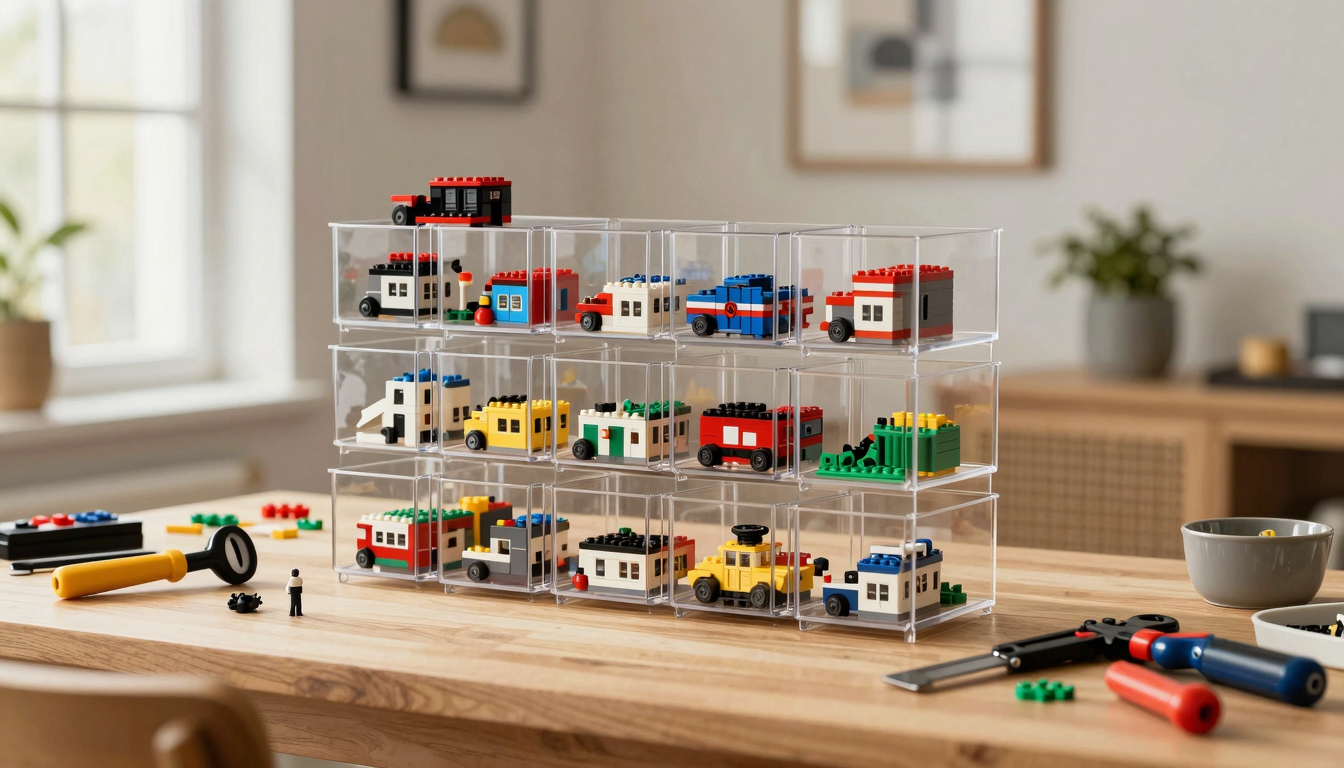
The truth is, your storage system needs to meet three basic requirements:
- It has to survive daily use,which means no cheap plastic that cracks when a 50-pound kid leans on it.
- It needs to make sense to your kids,because if they can’t find what they need, they’ll just dump everything out.
- It should actually save you time,not create more work with complicated sorting systems.
I’ll be honest: our first attempt was a disaster. I bought a bunch of mismatched bins from different stores, thinking variety would be good. Big mistake. Nothing matched, the drawers didn’t slide smoothly, and within a month, we had a jumbled mess worse than before. Now? We use a combination of IRIS plastic drawers (the black ones,they’re sturdier than the white) and simple Sterilite boxes. It’s not fancy, but it works.
Pro tip: If you’re starting from scratch, buy one good system and stick with it. Mixing brands just creates more problems down the road.
The Christina-Approved LEGO Storage Hierarchy
After years of trial and error, I’ve developed a simple three-tier system that keeps our LEGO organized without taking over the house. Here’s how it works:
1. Primary Storage: The Big Boys (For Your Main Collection)
This is where 80% of your bricks live,the everyday pieces your kids use all the time. You want something sturdy, visible, and easy to access. My go-to? The IRIS 6-drawer unit in black. It’s not the cheapest, but it’s worth it. The drawers glide smoothly (unlike the no-name ones I tried first), and the clear sides let you see what’s inside without digging.
Here’s what I keep in mine:
- Standard bricks by color (red, blue, yellow, etc.)
- Plates and slopes (separated by size)
- Wheels and tires (in a smaller bin inside one drawer)
I learned this the hard way: don’t overcomplicate your categories. My first attempt had separate bins for “2×2 red bricks” and “2×4 red bricks.” After a week, my son just dumped them all together. Now we keep it simple: “red bricks” in one drawer, “blue bricks” in another. It’s not perfect, but it works.
2. Secondary Storage: The Specialty Containers (For Rare and Delicate Pieces)
This is where the good stuff lives,the transparent pieces, the metallic gold bricks, the tiny minifigure accessories. These need protection, so I use Sterilite 3-drawer organizers. They’re cheap (under $10 each), stackable, and have tight-fitting lids to keep dust out.
What goes here? Anything that’s either:
- Expensive or hard to replace (like those gold bricks from the castle sets)
- Small and easy to lose (minifigure hands, tiny tools, that one weird hinge piece)
- Used less often but still important (specialty tiles, rare colors)
I keep these on a shelf in my son’s room, not on the floor. That way, they’re out of the way but still accessible when he needs them for a specific build.
3. Tertiary Storage: The “Everything Else” Zone (For Bulk and Oversized Pieces)
This is the catch-all for things that don’t fit in the drawers. Big baseplates, complete sets in their original boxes, Duplo blocks,all of this goes in Sterilite 6-quart boxes. They’re stackable, see-through, and fit under beds or in closets when not in use.
Here’s a pro tip I wish I’d known sooner: use these boxes to store complete sets in their original packaging. That way, if your kid wants to rebuild the Death Star (or whatever they’re into this week), everything’s already together. No more hunting for missing pieces!
The Biggest Mistakes I Made (So You Don’t Have To)
Let me save you some time and frustration by sharing the biggest mistakes I made when setting up our LEGO storage:
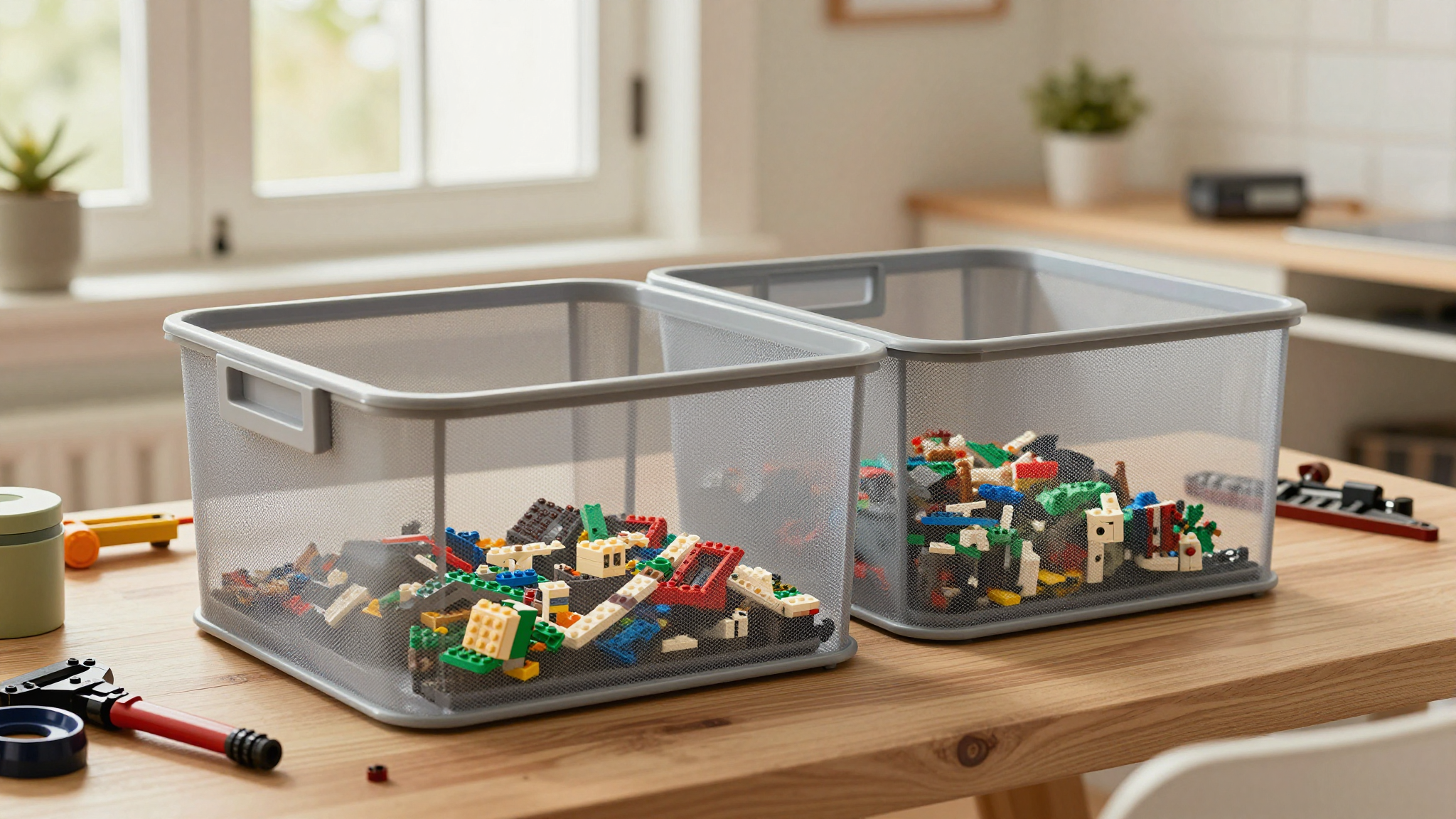
1. Buying Cheap Bins That Didn’t Last
I started with a set of no-name plastic bins from the dollar store. They looked fine at first, but after two weeks, the drawers were sticking, and the plastic was cracking. Lesson learned: spend a little more upfront for quality. The IRIS drawers have lasted us three years with daily use, and they still look great.
2. Overcomplicating the Sorting System
I thought I was being organized by sorting every single piece type into its own bin. Big mistake. Now we keep it simple: colors and basic shapes. It’s not perfect, but it’s maintainable,and that’s what matters.
3. Not Involving My Kids in the Process
I set up this “perfect” system without asking my son what would work for him. Result? He ignored it completely. Now, I let him help decide where things go (within reason). He’s more likely to use it if he feels ownership.
4. Ignoring the “Flow” of the Room
I placed the storage in a corner where it was hard to access. Now, it’s right next to the building table. That small change made a huge difference in how often it actually gets used.
Budget-Friendly Solutions That Actually Work
I know not everyone wants to invest in expensive storage systems. Here are some affordable alternatives that have worked in our house:
1. Ziploc Slider Bags (Yes, Really!)
These are my secret weapon for sorting small pieces. The slider zipper makes them easy to open and close, and they stand upright when filled. I use them inside my larger bins to keep similar pieces together. A 2.5-gallon bag holds a surprising amount of bricks!
Pro tip: Label the bags with a Sharpie. It takes two minutes and saves hours of digging later.
2. Tackle Boxes for Small Parts
I found a set of Plano 3700 tackle boxes at Walmart for $10. They’re perfect for minifigure accessories, tiny tools, and other small pieces. The compartments keep everything separated, and the whole box is portable if your kid wants to build in another room.
Downside? They’re not great for flat pieces like tiles. But for small, odd-shaped parts, they’re a game-changer.
3. Repurposed Shoeboxes
Don’t have fancy storage bins? Use shoeboxes! We keep our bulk common bricks in these. They’re free (or cheap), stackable, and do the job. Just cover them with contact paper if you want them to look nicer.
Multi-Functional Furniture That Actually Works
If you’re short on space (or just want something that looks nice), consider furniture that does double duty. Here are my top picks:
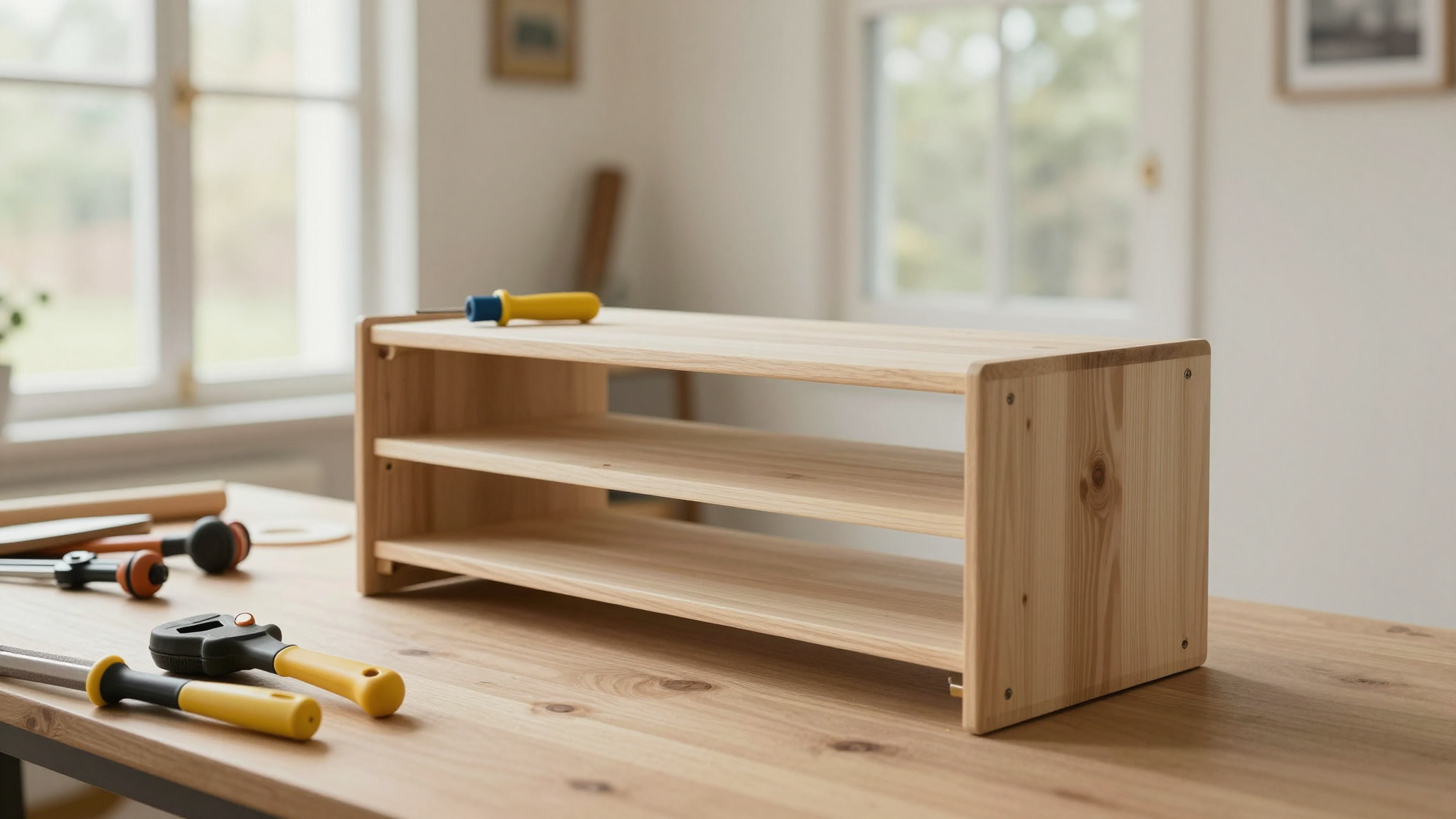
1. IKEA Trofast
This is a game-changer. It’s a combination of bins and a table,perfect for building and storing. The bins slide out easily, and the whole thing looks like actual furniture. We have the six-bin version, which is perfect for a kid’s room.
Bonus: It’s easy to secure to the wall, which is a must with kids around.
2. Kallax Shelf Unit
This is another IKEA favorite. It’s basically a cube shelf that you can configure however you want. We use it to display completed sets on some shelves and store bins of loose pieces on others. It’s modular, so it grows with your collection.
Just make sure to secure it to the wall,kids will climb on it!
3. Billy Bookcase with Glass Doors
If you want to display your kid’s creations (or protect them from dust), this is a great option. The glass doors keep everything visible but protected. We use it for completed sets and larger displays.
Final Tips from a LEGO Mom Who’s Been There
Here’s what I’ve learned after years of LEGO chaos and (some) order:
- Start simple. You don’t need a perfect system right away. Just get the bricks off the floor and into some containers. You can refine it later.
- Involve your kids. They’re the ones who will use it, so let them help decide how things are organized.
- Don’t overcomplicate. If a system is too complex, it won’t get used. Keep it simple and functional.
- Invest in quality. Cheap bins will fall apart. Spend a little more upfront for something that will last.
- Make it accessible. If the storage is hard to reach, your kids won’t use it. Place it where they can easily get to it.
And remember: no system is perfect. There will always be stray pieces and occasional messes. But with the right setup, you can minimize the chaos and maximize the fun.
Now, if you’ll excuse me, I need to go find that one missing minifigure shoe before my son has a meltdown. Happy building!