How I Turned My Cramped Bedroom Into a Cozy, Functional Space (Without Breaking the Bank)
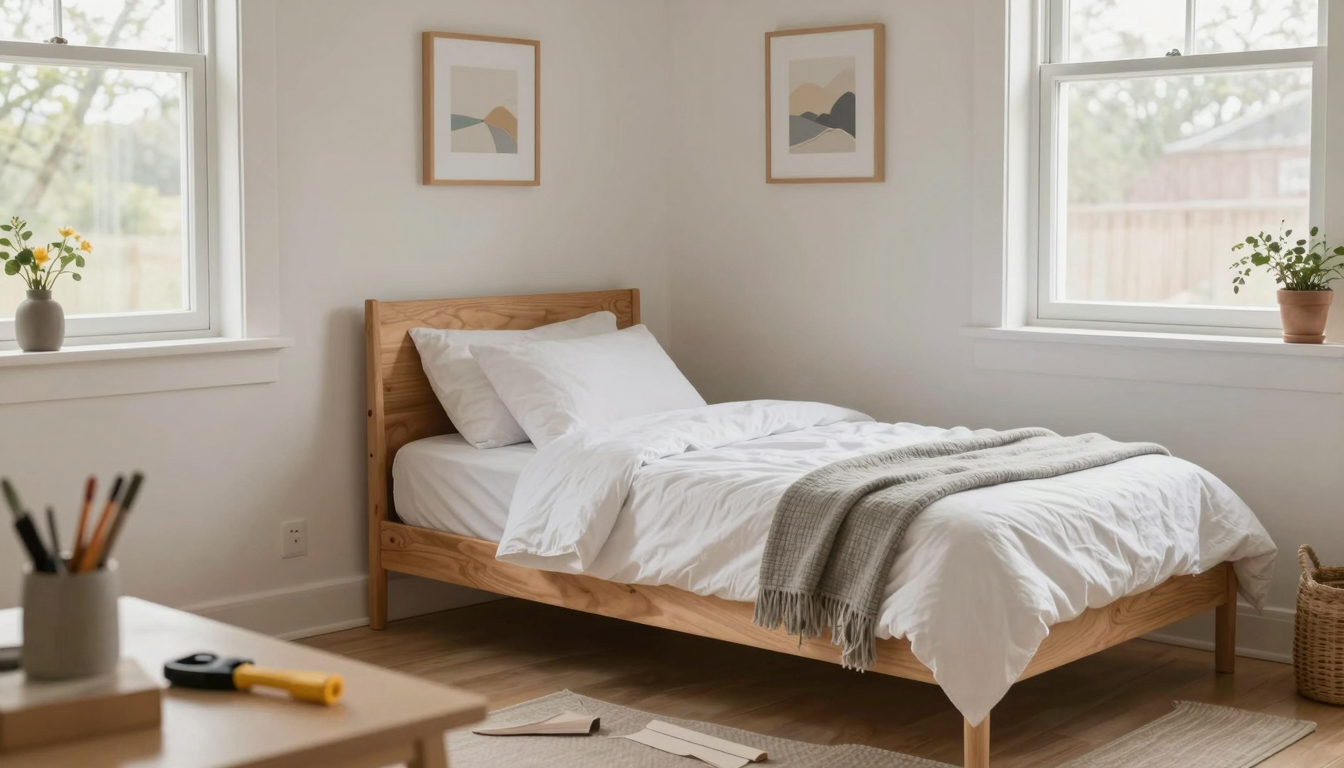
Let me tell you,small bedrooms don’t have to feel suffocating. After moving into our last house, I found myself staring at a tiny bedroom that barely fit a twin bed, let alone all the stuff my kids seemed to accumulate overnight. I was determined to make it work, and after a lot of trial and error (and one very regrettable attempt at painting the walls myself without taping first,more on that later), I figured out how to maximize every inch. The key? Smart storage, multifunctional furniture, and a few DIY hacks that actually work for real families.
If you’re dealing with a small bedroom,whether it’s for your kids, a guest, or even your own sanctuary,this guide is packed with the exact strategies I used. No fluff, no “expert” quotes you can’t trust. Just real solutions that fit real spaces.
Oh, and if you’re curious about how I fixed that paint disaster? Check out my post on patching drywall like a pro,it saved me from a very embarrassing “accident” wall.
Where to Start: The 3 Biggest Mistakes I Made (And How to Avoid Them)
Before we dive into the solutions, let me save you some headaches. When I first tackled our small bedroom, I made three big mistakes:
- Ignoring vertical space. I kept everything at floor level, which made the room feel even smaller. Lesson learned: Walls are your best friend in tiny rooms.
- Buying furniture that didn’t multitask. I thought a regular dresser would work, but it took up too much space. Now? I only buy (or build) pieces that do double duty.
- Skipping the planning step. I jumped into painting and organizing without measuring or sketching a layout first. Big mistake. Always measure first, people!
If you’re just starting, grab a tape measure and a notebook. Sketch out your room’s dimensions and jot down what you need the space to do (sleep, play, store clothes, etc.). This will save you time,and money,later.
Smart Storage Hacks That Actually Work (No Tiny Apartment Gimmicks)
Let’s talk storage, because this is where most small bedrooms trip up. The goal? Keep clutter off the floor and out of sight, but still accessible. Here’s what’s worked for me:
1. Under-Bed Storage: The Game-Changer I Wish I’d Known About Sooner
I used to shove everything under the bed,shoes, toys, extra blankets,and it was a mess. Then I discovered these rolling storage bins from IKEA. They fit perfectly under my kids’ beds, and now we can actually see what’s in there. No more digging through a black hole of lost socks.
Pro tip: If you don’t want to buy bins, repurpose old suitcases or even cardboard boxes. Wrap them in fabric or contact paper to make them look intentional (I did this with a few thrifted suitcases, and they actually look cute!).
2. Wall-Mounted Shelves: Where I Hide All the Chaos
One of the first DIY projects I tackled was installing floating shelves above the bed. I used this simple farmhouse-style plan (but scaled down for a bedroom), and now we’ve got a place for books, stuffed animals, and even a few plants. The best part? It frees up floor space and makes the room feel taller.
If you’re not handy, no worries,IKEA’s Kallax shelves are a great no-build option. I have one in my daughter’s room, and it’s perfect for toys and art supplies.
3. Over-the-Door Organizers: The Unsung Hero of Small Spaces
I’ll be honest,I resisted these for a long time because they looked cheap. But after my son’s room became a disaster of scattered LEGO and action figures, I caved. Now? I’ve got over-the-door organizers in every bedroom. They hold shoes, accessories, even small bins for jewelry. And the best part? They’re super easy to install (no drilling required for some models!).
For a DIY twist, I’ve also used old wooden crates (the kind you get free from grocery stores) to create vertical storage. Sand them down, stain them, and mount them to the wall. Instant character + storage.
Color and Lighting: How I Tricked the Room Into Feeling Bigger
This is where a lot of people go wrong. They think dark colors or heavy curtains will “warm up” a small space, but actually, they make it feel smaller. Here’s what I did instead:
1. Painted the Walls a Soft, Light Color (And Learned My Lesson)
My first attempt? A deep blue. It looked amazing in the paint sample, but in the room? It swallowed the light. I ended up painting over it with a warm white (Benjamin Moore’s “Chantilly Lace” is my go-to for small spaces), and the difference was night and day. The room felt brighter and more open instantly.
If you’re not ready to commit to painting, try a peel-and-stick wallpaper on one accent wall. I did this in my daughter’s room with a subtle floral pattern, and it added personality without overwhelming the space.
2. Added Mirrors (But Not Just Any Mirrors)
I used to think mirrors were just for vanity, but they’re actually a huge space-saver. I hung a large leaner mirror (I got mine from Wayfair for under $50) across from the window, and it reflects light and makes the room feel bigger. Pro tip: Avoid round mirrors,they don’t expand the space as well as rectangular or square ones.
3. Swapped Heavy Curtains for Sheer Ones
I used to love thick, blackout curtains, but in a small room? They make it feel like a cave. Now I use sheer white curtains that let in light while still giving us privacy. If you need darkness for naps or sleep, layer them with blackout liners (I sewed mine from fabric I found at Joann Fabrics).
Multifunctional Furniture: Pieces That Do Double (or Triple) Duty
This is where the magic happens. If you’re dealing with a small bedroom, every piece of furniture should pull its weight. Here’s what’s in my house now:
1. The Storage Bed (That Actually Fits in the Room)
I was skeptical about storage beds,until I saw how much space they save. My son’s room is so small that a regular bed would leave no room for anything else. But his storage bed? It holds all his clothes, shoes, and even a few toys underneath. I got ours from Wayfair, but you can also build your own with a little elbow grease.
If a storage bed isn’t in the budget, try a platform bed with built-in drawers or even a loft bed (if the ceiling height allows it). I’ve seen some genius DIY loft beds that include desks or play areas underneath,perfect for kids’ rooms!
2. The Ottoman That’s Also a Toy Chest
I found this ottoman at a thrift store for $10, and it was missing its top. Instead of tossing it, I measured it and built a simple wooden lid that lifts up to reveal storage inside. Now it’s a seating area and a place to hide all the random toys that seem to multiply overnight. I stained it to match the rest of the furniture, and it looks intentional (even though it was a total hack!).
If you’re not into building, look for ottomans with built-in storage at stores like Target or IKEA. They’re a game-changer for small spaces.
3. The Wall-Mounted Desk That Folds Away
My daughter needed a desk for homework, but there was no room for a regular one. So I built a wall-mounted desk that folds down when she’s not using it. It’s made from plywood and simple hinges (I got the hinges at Home Depot for under $10), and it’s saved so much space. When it’s folded up, it just looks like a piece of art on the wall.
If DIY isn’t your thing, IKEA’s BEKANT desk is a great fold-down option. It’s affordable and easy to install.
DIY Projects That Actually Make a Difference (No Pinterest Failures Here)
I’ve tried my fair share of DIY projects that ended up in the trash (looking at you, failed wainscoting attempt). But these are the ones that actually work and look good:
1. Floating Shelves (That Don’t Wobble)
I used to avoid floating shelves because I was convinced they’d fall off the wall. Then I found this guide to the right hardware, and now I’ve got shelves in every room. Here’s the trick: Use heavy-duty brackets (I like the ones from Home Depot), and make sure to find the studs in your wall. If you’re not sure where the studs are, grab a stud finder,it’s a $10 investment that saves a lot of headaches.
For a fun twist, I painted the shelves a bold color (I used Behr’s “Hawaiian Sunset”) to add a pop of color to the room. It’s a small change that makes a big impact.
2. Under-Bed Storage Bins (That Actually Fit)
Not all storage bins are created equal. I learned this the hard way when I bought a set that was way too tall for the space under my kids’ beds. Now I measure twice before buying anything. My go-to? These rolling bins from Amazon. They fit perfectly, and the wheels make it easy to pull them out when we need to.
If you want to DIY it, grab some plywood and build your own bins. I’ve seen some great tutorials on upcycling wood to make custom storage that fits your exact space.
3. A Pegboard Organizer (That’s Actually Useful)
I was skeptical about pegboards at first,weren’t they just for garages?,but then I saw how versatile they are. I hung one in my daughter’s room, and now it holds her jewelry, hair accessories, and even a few small bins for trinkets. The best part? It’s super easy to customize. I used these hooks and bins from IKEA, but you can find everything you need at a hardware store.
Pro tip: If you’re not into the industrial look, paint the pegboard a fun color or add a fabric backing. I did this in my son’s room, and it looks way more intentional.
Lighting Hacks to Make Your Small Bedroom Feel Bigger
Lighting is one of those things people overlook in small spaces, but it can make a huge difference. Here’s how I brightened up our tiny bedrooms:
1. Added String Lights (But Not Just for Decor)
I used to think string lights were just for parties or photo backdrops. Then I realized they’re perfect for adding warmth to a small room. I hung a set of fairy lights from Amazon above my daughter’s bed, and now it’s her favorite spot to read at night. The soft glow makes the room feel cozier and bigger.
If you want to get creative, try weaving the lights through a DIY macramé hanging planter or draping them over a canopy bed. It’s a small change that adds a lot of charm.
2. Swapped Overhead Lighting for a Floor Lamp
Our small bedroom had one of those ugly overhead light fixtures that made the room feel even smaller. So I swapped it out for a floor lamp from Lamps.com. Now the light is warmer, and it doesn’t take up any ceiling space. Plus, it’s easy to move around if we need to rearrange the room.
If you’re not ready to replace your fixture, try adding a salt lamp or LED strip lights for extra warmth. I put LED strips under my son’s bed, and it gives the room a cool glow at night.
3. Used Mirrors to Bounce Light Around
I already mentioned mirrors for making the room feel bigger, but they’re also great for reflecting light. I placed a large mirror across from the window in my daughter’s room, and now the natural light bounces around the whole space. It’s a simple trick that makes a big difference.
If you don’t want to hang a big mirror, try a gallery wall with a mix of mirrors and art. It adds personality while still helping to brighten the room.
Eco-Friendly DIY Ideas for a Sustainable Small Bedroom
If you’re anything like me, you want your small bedroom to be functional and kind to the planet. Here are a few eco-friendly tweaks I’ve made:
1. Upcycled Furniture (That Doesn’t Look Like Trash)
I found an old dresser at a thrift store for $20, and after sanding it down and painting it with Behr’s low-VOC paint, it looks brand new. Now it’s the perfect spot for my daughter’s clothes and accessories. The best part? It cost a fraction of what a new dresser would have.
If you’re not into painting, try recovering furniture with fabric or even just refinishing the wood. There are so many ways to give old furniture new life without breaking the bank.
2. Natural Materials (That Actually Work)
I used to think “natural materials” meant everything had to look like it came from a cabin in the woods. But now I know there are plenty of stylish, sustainable options. For example:
- Bamboo. I swapped out my plastic storage bins for bamboo ones, and they’re just as sturdy (if not more so). I got mine from Etsy, but you can find them at most home goods stores too.
- Cork. I used cork boards for a bulletin board in my son’s room. They’re great for pinning up artwork and reminders, and they’re totally sustainable.
- Reclaimed wood. I found a few pieces of reclaimed wood at a local salvage yard and used them to build a simple headboard. It adds character to the room without taking up much space.
If you’re not sure where to start, check out this guide to eco-friendly home projects. It’s got tons of great ideas for making your space greener.
3. Non-Toxic Paint and Finishes
I used to just grab whatever paint was on sale, but now I make sure to use low-VOC or zero-VOC paint. It’s better for the planet and better for my family’s health. I also switched to water-based finishes for wood projects, and the difference is night and day.
If you’re painting a small space, consider using peel-and-stick wallpaper instead. It’s easy to apply, easy to remove, and often made with eco-friendly materials. I used it in my daughter’s room for an accent wall, and it looks amazing.
Final Thoughts (And What to Try First)
Small bedrooms don’t have to feel cramped or limiting. The key is to think vertically, multitask your furniture, and use light and color to your advantage. And if you’re anything like me, you’ll make a few mistakes along the way,that’s just part of the process!
If you’re not sure where to start, here’s what I’d recommend:
- Start with storage. Grab a few under-bed bins or over-the-door organizers. They’re easy to install and make an immediate difference.
- Add a mirror. It’s one of the quickest ways to make a small room feel bigger. Hang it across from a window to reflect light.
- Swap out heavy furniture. If you’ve got bulky pieces taking up space, see if you can replace them with something multifunctional (like a storage ottoman or a wall-mounted desk).
And if you’re feeling overwhelmed, remember: You don’t have to do everything at once. Pick one thing to tackle this weekend,whether it’s building a floating shelf or painting the walls a lighter color,and build from there.
Oh, and if you end up trying any of these ideas, I’d love to see how they turn out! Tag me on Instagram @christinaprojects or send me a photo. I’m always here to cheer you on (and share my own DIY fails,because let’s be real, they happen!).
FAQs
What are the best storage solutions for a small bedroom?
If you’re tight on space, focus on vertical storage like floating shelves, over-the-door organizers, and under-bed bins. I also love multifunctional furniture, like storage ottomans or beds with built-in drawers. And don’t underestimate the power of a good pegboard,it’s a game-changer for keeping small items organized.
How can I make a small bedroom feel cozier?
Lighting and texture are your best friends here. Add string lights or a warm floor lamp, and layer in soft blankets and rugs. I also love adding a few personal touches, like framed photos or a gallery wall. And if you’ve got a window, make the most of it with sheer curtains that let in natural light.
What’s the easiest DIY project to start with?
If you’re new to DIY, I’d recommend starting with something simple like a gallery wall or a floating shelf. Both are beginner-friendly, don’t require a ton of tools, and make a big impact. Plus, they’re great ways to add personality to a small space without taking up much room.
How do I choose the right color for a small bedroom?
Light, neutral colors are your best bet for making a small room feel bigger. I love soft whites, pale grays, and light blues,they keep the space airy and bright. If you want to add a pop of color, use it in small doses, like with throw pillows or a rug. And if you’re not sure, test your paint colors with peel-and-stick samples first. It’s a great way to see how a color will look in your space before committing.
What’s the best multifunctional furniture for a tiny bedroom?
If I had to pick one piece of furniture that does it all, it’d be a storage bed. It gives you a place to sleep and built-in storage for clothes, shoes, or even toys. Other great options include ottomans with hidden storage, wall-mounted desks, and loft beds (if you’ve got the ceiling height). And if you’re on a budget, look for secondhand pieces you can upcycle,like an old dresser you can turn into a nightstand.