How to Deep Clean Your Dishwasher (Without the Guesswork)
Let me tell you,nothing ruins a perfectly good dinner like pulling out a dishwasher rack to find your wine glasses still covered in a film, or worse, that smell. You know the one. The one that makes you question whether your dishwasher is actually doing its job.
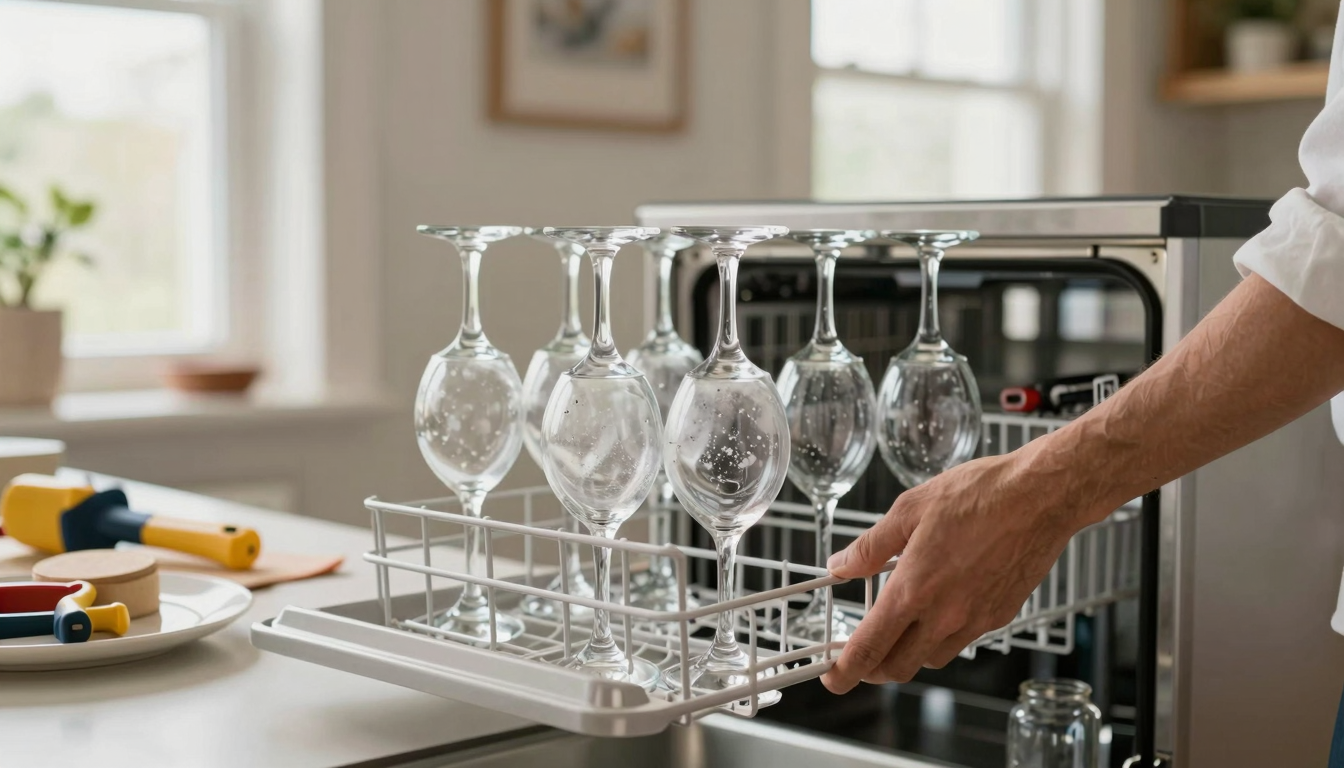
I’ve been there. Too many times. I used to think running a “hot wash” cycle once a month was enough. Then I noticed my stainless steel flatware coming out with white spots, and my kids started complaining about their plates smelling “weird.” Turns out, food particles, soap scum, and limescale were hiding in places I couldn’t see,clogging the spray arms, coating the filter, and leaving a film on the interior. And the worst part? It was making my dishwasher work harder, which meant higher energy bills and a shorter lifespan for the machine.
After some trial and error (and a few failed attempts that left my kitchen smelling like a chemistry lab), I figured out a simple, repeatable routine that actually works. No fancy tools, no expensive products,just a little elbow grease and the right approach. This method has kept my dishwasher running smoothly for years, and I’m sharing it here so you don’t have to learn the hard way like I did.
By the end of this, you’ll know how to:
- Spot hidden buildup before it ruins your dishes (or your appetite).
- Clean the filter, spray arms, and those pesky nooks where grime loves to hide.
- Choose the right cleaning method for your dishwasher,whether it’s stainless steel, plastic, or something in between.
- Sanitize safely without damaging finishes or mixing dangerous chemicals.
- Keep your dishwasher fresh between deep cleans so you’re not scrambling to fix problems later.
And if you’re anything like me, you’ll also learn a few oops moments to avoid,like the time I mixed vinegar and bleach “just to be sure” and had to air out my kitchen for a day. (Don’t do that.)
Why Your Dishwasher Needs a Deep Clean (And What Happens If You Ignore It)
I used to think my dishwasher was low-maintenance. “It’s just a machine,” I’d tell myself. “It’ll clean itself.” Wrong. Over time, food particles, grease, and mineral deposits from hard water build up in places you can’t see,clogging spray holes, coating the filter, and leaving a film on the interior. And when that happens, your dishwasher has to work overtime just to get dishes clean.
Here’s what I’ve noticed in my own dishwasher (and in friends’ who’ve asked for help):
- Cloudy glassware: Those white spots on your wine glasses? That’s limescale from hard water. It’s not just unsightly,it means your dishwasher isn’t rinsing properly.
- Lingering odors: Ever open the dishwasher and get a whiff of something sour or rotten? That’s trapped food and grease in the filter or spray arms. It’s not just gross,it can transfer smells to your clean dishes.
- Poor spray coverage: If your dishes come out with streaks or food still on them, chances are your spray arms are clogged. That means water isn’t reaching every corner, and your dishes aren’t getting clean.
- Visible residue: Black gunk in the bottom? White film on the door? That’s buildup that’s been ignored for too long. It’s not just ugly,it can lead to mold and mildew if you’re not careful.
I learned the hard way that ignoring these signs leads to bigger problems,like a dishwasher that takes twice as long to run, uses more water and energy, and eventually fails when you need it most. Trust me, you don’t want to be hand-washing dishes because your machine gave up on you.
But here’s the good news: A deep clean doesn’t have to be complicated. It’s like giving your dishwasher a spa day,just with more vinegar and less cucumber water. And once you get into the habit, it only takes about 15 minutes of active work plus one cycle to make a huge difference.
What You’ll Need (And What I Actually Use)
You don’t need a bunch of specialty products to deep clean your dishwasher. In fact, most of what you need, you already have in your kitchen. Here’s what I grab:
- White vinegar: My go-to for deodorizing and breaking down mineral deposits. I keep a big jug of Heinz white vinegar under the sink,it’s cheap, effective, and works on everything from dishwashers to coffee makers.
- A dishwasher cleaner: I like Finish Powder for deep cleans. It’s easy to use (just toss a tablet in the detergent cup and run a cycle), and it cuts through grease and limescale without leaving a residue.
- Bleach (optional, but use with caution!): Only if your dishwasher manual says it’s safe. I avoid it on stainless steel because it can strip the finish, but for plastic interiors, it’s a strong sanitizer. If you go this route, use Clorox Regular Bleach and follow the instructions to the letter.
- A microfiber cloth: I keep a pack of Bona microfiber cloths on hand for wiping down the interior and exterior. They’re gentle on finishes and pick up dust and grime without scratching.
- A toothpick or soft brush: For clearing clogs in the spray arms. I use an old toothbrush I saved from a hotel stay,it’s perfect for getting into tight spaces.
Pro tip: If you’re using vinegar or bleach, never mix them in the same cycle. I learned this the hard way when I thought I’d “supercharge” my clean and ended up with a kitchen that smelled like a swimming pool. (My husband still teases me about it.)
As for cost, you’re looking at about $10–$20 if you need to buy a cleaner or vinegar. But if you already have these basics, it’s basically free. And trust me, it’s worth every penny to avoid the headache of a dishwasher that’s not working right.
Step 1: Prep Your Dishwasher for a Deep Clean
Before you start sloshing vinegar or running cycles, you’ve got to do a little prep work. This step is crucial,it’s the difference between a deep clean that actually works and one that just moves the grime around. Here’s what I do:
- Empty the dishwasher completely. I know, it’s obvious, but you’d be surprised how often I’ve seen people skip this step. If there are dishes in there, the cleaner or vinegar won’t reach all the nooks and crannies where buildup hides. Pull out the racks and set them on a towel on the counter.
- Check for debris. Look for small bones, glass shards, or paper that might have slipped through the cracks. I once found a whole chicken nugget wedged behind the lower rack,don’t ask how it got there. Use a paper towel to scoop out anything you find, then rinse the racks under warm water.
- Wipe down the interior. Grab that microfiber cloth and give the door, gasket (that’s the rubber seal), and the bottom of the tub a quick wipe. This removes any obvious grime so your cleaner can focus on the stubborn stuff. Pay extra attention to the gasket,it’s a magnet for food particles and can start smelling funky if you ignore it.
I’ll admit, this step feels like a hassle sometimes, especially when I’m in a rush. But I’ve learned that skipping it just means I’ll have to do the whole process over again. So I take the five minutes to prep properly, and it always pays off.
Step 2: Clean the Filter, Spray Arms, and Hidden Problem Areas
This is where the real work happens. The filter, spray arms, and the bottom of the tub are the biggest culprits for buildup, and they’re the reason your dishwasher might not be cleaning as well as it used to.
1. Clean the Filter (The Dishwasher’s “Garbage Disposal”)
Your dishwasher’s filter is like a tiny garbage disposal,it catches food particles and debris so they don’t clog the drain. But if it’s full of gunk, it can’t do its job, and that leads to odors and poor drainage. Here’s how I clean mine:
- Locate the filter. On most models, it’s at the bottom of the tub, usually behind the lower rack. If you’re not sure where it is, check your manual (or Google your dishwasher model + “filter location”).
- Remove the filter. It usually just lifts out, but some models have a twist-and-pull mechanism. Mine on my Bosch just pops out, which is a relief because I’m not great with tools.
- Rinse it under warm water. I hold it under the faucet and use my fingers to dislodge any stuck-on food. If there’s stubborn grime, I let it soak in warm, soapy water for a few minutes while I clean the rest of the dishwasher.
- Scrub if needed. For really gross filters, I use an old toothbrush to get into the crevices. It’s amazing how much gunk can build up in there!
- Reinstall the filter. Make sure it’s seated properly,if it’s not, water won’t drain correctly, and you’ll end up with a puddle in the bottom of the tub.
I clean my filter every month, but if I’ve been running the dishwasher a lot (like during the holidays), I’ll check it more often. It’s a quick task, but it makes a huge difference in how well my dishwasher works.
2. Clear the Spray Arms (The “Water Sprinklers” of Your Dishwasher)
The spray arms are what distribute water throughout the dishwasher, so if they’re clogged, your dishes won’t get clean. I’ve had this happen more times than I’d like to admit,usually when I’ve been lazy about cleaning the filter. Here’s how to fix it:
- Remove the spray arms. On most models, you can just pull them off. If they’re stuck, gently wiggle them or check your manual for the right way to remove them.
- Rinse them under warm water. Hold each arm under the faucet and let the water flow through the holes. You’ll probably see food particles or mineral deposits come out.
- Use a toothpick or soft brush to clear clogs. If the holes are still blocked, take a toothpick (or a wooden coffee stirrer,those work great too) and gently poke out the debris. For stubborn clogs, I’ll soak the arms in warm, soapy water for a few minutes first.
- Reattach the spray arms. Make sure they’re seated correctly,if they’re not, water won’t spray out properly, and you’ll end up with uneven cleaning.
- Run a quick rinse cycle. This ensures water is flowing through all the spray holes. If you see any areas that aren’t getting sprayed, go back and check for clogs.
I had a moment of panic once when I couldn’t get the spray arms off my old dishwasher. Turns out, they were just stuck because of mineral buildup. I ended up soaking them in vinegar for 30 minutes, and they popped right off. Now I always check for clogs before assuming something’s broken!
3. Wipe Down the Interior and Gasket
Now that the filter and spray arms are clean, it’s time to tackle the rest of the interior. Grab that microfiber cloth and a little bit of dish soap (or vinegar if you prefer).
- Wipe the tub. Start at the top and work your way down, paying extra attention to the corners where grime loves to hide. I use a little bit of dish soap on the cloth,it cuts through grease without being too harsh.
- Clean the gasket. This is the rubber seal around the door, and it’s a hotspot for mold and mildew. I dip my cloth in a little vinegar and water mixture (1:1 ratio) and give it a good scrub. If it’s really gross, I’ll let it soak for a few minutes first.
- Wipe the door. Don’t forget the inside of the door! Food splatter and soap scum can build up there, and it’s a quick spot to clean.
I’ll admit, I used to skip wiping the gasket because it seemed like a hassle. But then I noticed a musty smell coming from the dishwasher, and I realized it was because the gasket was covered in mold. Now I make sure to clean it every time I deep clean the dishwasher.
Step 3: Choose Your Cleaning Method
Now that everything’s prepped and cleaned, it’s time to choose your cleaning method. I’ve tried a few different approaches over the years, and I’ve found that the best method depends on what’s wrong with your dishwasher. Here’s what works for me:
Option 1: Use a Dishwasher Cleaner Tablet or Liquid (Best for Heavy Buildup)
If your dishwasher has a lot of limescale or greasy residue, I recommend using a dedicated dishwasher cleaner like Finish Powder or Affresh. These products are designed to dissolve grease, limescale, and other gunk without leaving a residue.
- Place a tablet in the detergent cup or a liquid cleaner in a dishwasher-safe container on the bottom rack.
- Run a normal cycle. Don’t add any detergent,these cleaners work on their own.
- After the cycle, wipe down the interior with a microfiber cloth to remove any loose debris.
I use this method about once every three months, or more often if I notice a lot of buildup. It’s a great way to give your dishwasher a deep clean without a lot of elbow grease.
Option 2: Use White Vinegar (Best for Deodorizing and Mineral Buildup)
Vinegar is my go-to for a quick, natural clean. It deodorizes, dissolves mineral deposits, and cuts through grease,all without harsh chemicals. Here’s how I do it:
- Pour 1 cup of white vinegar into a dishwasher-safe container (like a small glass or plastic bowl).
- Place the container on the top rack of the dishwasher.
- Run a hot water cycle. The heat helps the vinegar break down buildup more effectively.
- After the cycle, wipe down the interior with a microfiber cloth to remove any residue.
- Leave the door open to air dry. This helps prevent mold and mildew.
I love using vinegar because it’s cheap, effective, and safe for most dishwasher finishes. Plus, it leaves my dishwasher smelling fresh,no artificial scents required. I do this once a month as part of my regular maintenance routine.
Pro tip: If you have hard water, you might need to do this more often. I know a few people in areas with really hard water who use vinegar every two weeks to keep limescale at bay.
Option 3: Run a Sanitize Cycle (Best for Hygiene After Illness or Raw Food)
If you’ve had someone sick in the house, or if you’ve been washing a lot of raw meat or poultry, I recommend running a sanitize cycle. This uses higher temperatures (usually around 150°F) to kill bacteria and germs. It’s not a deep clean, but it’s a great way to reset your dishwasher’s hygiene.
- Empty the dishwasher completely.
- Run a sanitize cycle. Check your manual for the exact settings,some dishwashers have a dedicated “sanitize” option, while others use a longer hot water cycle.
- After the cycle, wipe down the interior with a microfiber cloth.
- Leave the door open to air dry.
I run a sanitize cycle after holidays or when someone’s been sick. It’s a good way to make sure your dishwasher is clean and germ-free, especially if you’ve been washing a lot of dishes that might have bacteria on them.
Step 4: Sanitize Safely (Especially for Stainless Steel Dishwashers)
If you need to sanitize your dishwasher,maybe after someone’s been sick, or if you’ve been washing a lot of raw meat,you’ve got a few options. But be careful. Not all sanitizing methods are safe for all dishwasher finishes, especially stainless steel.
When to Sanitize
You should sanitize your dishwasher in these situations:
- After someone in the household has been sick (especially with stomach bugs).
- After washing a lot of raw meat, poultry, or seafood.
- If you notice a musty or sour smell coming from the dishwasher.
- As part of your regular maintenance routine (I do this every 3–6 months).
How to Sanitize with Bleach (Use with Caution!)
Bleach is a strong sanitizer, but it’s not safe for all dishwasher finishes. If your dishwasher has a stainless steel interior, do not use bleach,it can strip the finish and damage the rubber seals. Check your manual first!
- Empty the dishwasher completely.
- Pour 1 cup of bleach into a bleach-safe, dishwasher-safe container (like a glass or plastic bowl).
- Place the container on the top rack.
- Run a hot water cycle. Do not add any detergent.
- After the cycle, wipe down the interior with a microfiber cloth to remove any residue.
- Leave the door open to air dry.
I only use bleach as a last resort, and only if my dishwasher manual says it’s safe. For stainless steel dishwashers, I stick to vinegar or the sanitize cycle.
How to Sanitize with Vinegar (Safe for Stainless Steel)
Vinegar is a great alternative to bleach, especially if you have a stainless steel dishwasher. It deodorizes, dissolves mineral deposits, and sanitizes without damaging finishes.
- Pour 1 cup of white vinegar into a dishwasher-safe container.
- Place the container on the top rack.
- Run a hot water cycle.
- After the cycle, wipe down the interior with a microfiber cloth.
- Leave the door open to air dry.
I use this method every month or two as part of my regular maintenance routine. It keeps my dishwasher smelling fresh and prevents buildup without any harsh chemicals.
How to Use the Sanitize Cycle (Safe for All Finishes)
The sanitize cycle is the safest option for all dishwasher finishes, including stainless steel. It uses high heat (usually around 150°F) to kill bacteria and germs, and it doesn’t require any additional products.
- Empty the dishwasher completely.
- Run a sanitize cycle. Check your manual for the exact settings,some dishwashers have a dedicated “sanitize” option, while others use a longer hot water cycle.
- After the cycle, wipe down the interior with a microfiber cloth.
- Leave the door open to air dry.
I run a sanitize cycle after holidays or when someone’s been sick. It’s a great way to make sure your dishwasher is clean and germ-free, especially if you’ve been washing a lot of dishes that might have bacteria on them.
Step 5: Clean the Exterior (Because No One Wants a Smudgy Appliance)
Okay, I’ll admit it,this step isn’t as critical as cleaning the interior, but it’s still important. A clean exterior makes your kitchen look put-together, and it’s a quick way to freshen up your appliance. Here’s how I do it:
Wiping Stainless Steel Surfaces
If your dishwasher has a stainless steel exterior, you’ve got to be careful. Stainless steel is durable, but it can scratch or dull if you’re not gentle. Here’s what I’ve learned:
- Use a microfiber cloth. I keep a pack of Bona microfiber cloths just for cleaning stainless steel. They’re gentle and pick up dust and fingerprints without scratching.
- Wipe in the direction of the grain. Stainless steel has a subtle grain (you can feel it if you run your fingers along the surface). Always wipe in the same direction as the grain to avoid streaks.
- Avoid harsh chemicals. No bleach, no abrasive cleaners, no steel wool. A little bit of dish soap and warm water is all you need.
- Dry it off. After wiping, go over the surface with a dry microfiber cloth to prevent water spots.
I clean the exterior of my dishwasher once a week as part of my regular kitchen cleaning routine. It only takes a minute, but it makes a big difference in how my kitchen looks.
What to Avoid
I’ve made a few mistakes over the years, and I’ve learned the hard way what not to do:
- Never spray cleaner directly onto the dishwasher. Spray it onto your cloth first, then wipe. This prevents moisture from getting into the controls or the gasket.
- Avoid abrasive pads or steel wool. They’ll scratch the finish, no matter what it’s made of.
- Don’t use glass cleaner on stainless steel. It can leave a film that’s hard to remove.
If you’re not sure what’s safe for your dishwasher’s finish, check the manual. I’ve had to look up mine more times than I’d like to admit!
How to Keep Your Dishwasher Fresh Between Deep Cleans
Deep cleaning your dishwasher is a great start, but if you want to keep it running smoothly, you’ve got to stay on top of maintenance. Here’s what I do to keep my dishwasher fresh and working well between deep cleans:
Quick Checks After Every Use
These take less than a minute, but they make a huge difference:
- Wipe the gasket. After every use, I give the gasket (that rubber seal around the door) a quick wipe with a damp cloth. It’s a hotspot for food particles and moisture, and keeping it clean prevents mold and odors.
- Check the filter. Once a week, I pull out the filter and rinse it under warm water. It’s amazing how much gunk can build up in just a few days!
- Leave the door open. After a cycle, I leave the door open to let the interior air dry. This prevents mold and mildew, and it helps keep odors at bay.
I know, it feels like a hassle, but these quick checks save me from bigger problems down the road. And honestly, it’s become a habit,like rinsing a dish before putting it in the dishwasher.
Monthly Maintenance
Once a month, I do a little more thorough maintenance:
- Run a vinegar cycle. I pour a cup of vinegar into a dishwasher-safe container and run a hot water cycle. It deodorizes, dissolves mineral deposits, and keeps everything fresh.
- Clean the spray arms. I remove the spray arms and rinse them under warm water. If they’re clogged, I use a toothpick to clear the holes.
- Wipe down the interior. I grab a microfiber cloth and give the tub, door, and gasket a good wipe-down.
This monthly maintenance takes about 15 minutes, but it keeps my dishwasher running smoothly and prevents buildup before it becomes a problem.
When to Deep Clean
I deep clean my dishwasher every 3 months, or more often if I notice any of these signs:
- Cloudy glassware or dishes that aren’t coming clean.
- Lingering odors, even after running a vinegar cycle.
- Visible residue or grime in the tub or on the spray arms.
- Poor spray coverage (i.e., dishes aren’t getting wet evenly).
If I see any of these signs, I know it’s time for a deep clean. And honestly, it’s a lot easier to tackle a little buildup now than a lot of gunk later!
Final Thoughts (And a Quick Reminder)
Deep cleaning your dishwasher isn’t glamorous, but it’s one of those tasks that makes a huge difference in how well your kitchen runs. I used to put it off until my dishwasher was practically begging for help, but now I’ve got a system that keeps it running smoothly with minimal effort.
Here’s what I’ve learned:
- Prep is everything. Emptying the dishwasher, removing the racks, and wiping down the interior before you start makes the whole process easier and more effective.
- Don’t ignore the filter and spray arms. These are the most common culprits for buildup, and cleaning them regularly prevents bigger problems down the road.
- Vinegar is your friend. It’s cheap, effective, and safe for most dishwasher finishes. I use it for everything from deodorizing to dissolving mineral deposits.
- Bleach is a last resort. It’s great for sanitizing, but it can damage stainless steel and rubber seals. Always check your manual first!
- Consistency is key. A little maintenance every week and month goes a long way. It’s a lot easier to keep your dishwasher clean than to fix a big problem later.
So, are you ready to give your dishwasher the deep clean it deserves? Grab your vinegar, a microfiber cloth, and let’s get to work. And if you’ve got any tips or tricks of your own, I’d love to hear them,leave a comment below!
Happy cleaning, and here’s to dishes that come out sparkling every time!
Frequently Asked Questions
How often should I deep clean my dishwasher to prevent buildup and odors?
I aim for a deep clean every 1–3 months, depending on how hard my water is and how often I use the dishwasher. If I notice cloudy glassware, lingering odors, or poor spray coverage, I’ll do it more often. A little monthly maintenance (like running a vinegar cycle) helps keep buildup at bay.
Can I use white vinegar instead of a store-bought dishwasher cleaner?
Absolutely! Vinegar is a great natural alternative to commercial cleaners. I use it once a month as part of my regular maintenance routine. Just pour 1 cup of white vinegar into a dishwasher-safe container, place it on the top rack, and run a hot water cycle. It deodorizes, dissolves mineral deposits, and leaves your dishwasher smelling fresh.
Is it safe to use bleach to sanitize a stainless steel tub?
I avoid bleach on stainless steel because it can strip the finish and damage the rubber seals. Instead, I use the sanitize cycle (which uses high heat to kill bacteria) or a vinegar cycle for deodorizing. If your dishwasher has a non-stainless interior, check the manual first,some models allow bleach, while others don’t.
What’s the best way to clean the filter and why does it matter?
The filter is like the dishwasher’s “garbage disposal”,it catches food particles and debris so they don’t clog the drain. I clean mine every month by removing it, rinsing it under warm water, and using a soft brush to clear any stuck-on gunk. A clean filter improves water circulation, prevents odors, and keeps your dishwasher running efficiently.
How do I clear clogs from spray arms to restore cleaning performance?
Clogged spray arms are a common issue, and they can really mess with your dishwasher’s performance. I remove the spray arms (if my model allows), rinse them under warm water, and use a toothpick or soft brush to clear any blocked holes. If they’re really clogged, I’ll soak them in warm, soapy water for a few minutes first. After cleaning, I run a quick rinse cycle to make sure water is flowing through all the spray holes.
Can I run a sanitize cycle instead of using chemical cleaners?
The sanitize cycle is a great option for killing bacteria and germs, especially after someone’s been sick or if you’ve been washing a lot of raw meat. It uses high heat (usually around 150°F) to sanitize your dishwasher without chemicals. However, it’s not a deep clean,it won’t remove heavy buildup or limescale. For that, I still recommend using a dishwasher cleaner or vinegar cycle.
What should I do if there’s a smoky or rotten odor coming from the machine?
If your dishwasher smells bad, the first thing I do is check the filter and spray arms for trapped food or grease. I’ll clean those, then run a hot water cycle with vinegar to deodorize. If the smell persists, I’ll inspect the drain hose and garbage disposal connection for trapped residue. Sometimes, a deep clean with a dishwasher cleaner is needed to fully eliminate the odor.
Are dishwasher cleaner tablets better than liquid products?
Both work well, and I’ve used both! Tablets are convenient,just toss one in the detergent cup and run a cycle. Liquids let you spot-treat or pour into hard-to-reach areas. I like Finish Powder for deep cleans because it’s easy to use and effective. For spot treatments, I’ll use a liquid cleaner like Affresh. Choose based on what you prefer and the severity of the buildup.
How do I care for a stainless steel exterior without leaving streaks?
Stainless steel is low-maintenance, but it does need a little TLC. I use a microfiber cloth and a drop of mild dish soap for wiping. I always wipe in the direction of the grain (you can feel the subtle lines with your fingers) to avoid streaks. For extra shine, I’ll use a stainless steel polish like Weiman. And I never spray cleaner directly onto the surface,always spray it onto the cloth first!
Is it necessary to remove racks and utensil holders before a deep clean?
Yes! Removing the racks and holders lets the cleaner reach every nook and cranny, including the bottom of the tub and the spray arm inlets. It also makes it easier to clean the gasket and the interior door edges where grime loves to hide. I know it’s a hassle, but it’s worth it for a thorough clean.
What steps help prevent mineral scale and hard-water residue long term?
If you’ve got hard water, you’re going to deal with limescale no matter what. But there are a few things that help:
- Use a water softener if you have hard water. It reduces mineral buildup and makes cleaning easier.
- Run hot water cycles regularly. Heat helps dissolve mineral deposits.
- Use a rinse aid to improve drying and reduce spots.
- Do monthly vinegar or dishwasher cleaner treatments to dissolve limescale before it builds up.
I live in an area with hard water, so I do all of these. It’s not perfect, but it keeps my dishwasher running smoothly!
How long does a full deep clean typically take and what will it cost?
The active work takes about 10–15 minutes (prepping, cleaning the filter and spray arms, wiping down the interior). Then you run one full wash cycle, which adds about 2–4 hours depending on your dishwasher. Cost-wise, it’s roughly $10–$20 if you need to buy a cleaner or vinegar. But if you already have these basics, it’s basically free!